

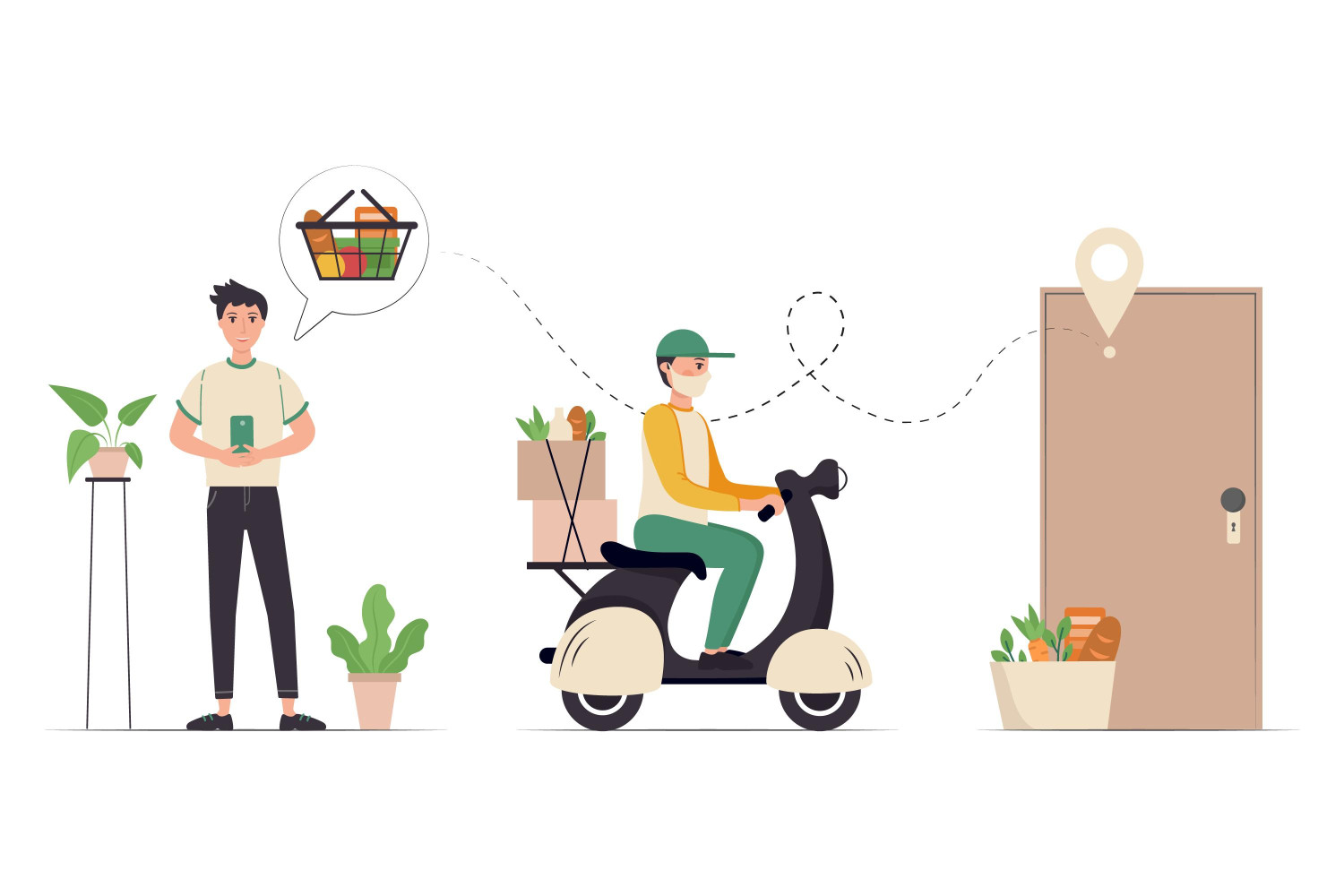
Introduction to Singapore’s Vibrant Food Ecosystem
Welcome to the exciting world of Singapore’s food scene! Whether you’re a new entrepreneur eyeing the bustling hawker centers or a niche gourmet startup, understanding the right platforms to showcase your offerings is critical. In this comprehensive guide designed for adult learners at our community night class, we will dissect the essential digital platforms that every small F&B business should know to thrive in Singapore’s unique market. Here, you’ll discover the tools that can boost your visibility, increase orders, and optimize your marketing strategies, all while managing costs effectively in Singapore dollars (SGD).
Why Digital Platforms Matter for Food Businesses
More than ever, consumers in Singapore are turning to smartphones and online services to discover what’s next on their plates. The shift towards digital ordering and delivery platforms exploded with the pandemic, but it is here to stay. To succeed, small food businesses must harness these platforms not just as order channels but as branding, customer engagement, and data analytics hubs.
Top Online Food Platforms in Singapore to Get You Started
Singapore’s food delivery and online ordering ecosystem is rich with options — from internationally dominant apps to homegrown marketplaces. Here’s a well-researched table highlighting the key platforms, their typical pricing, and distinct advantages for startups and small businesses.
| Platform | Typical Commission Rates | Key Features | Best For |
|---|---|---|---|
| GrabFood | 15% - 25% | Massive reach, integrated payment, instant cashback promos | Established eateries & startups targeting broad demographics |
| Foodpanda | 20% - 30% | Strong in suburban coverage, CRM tools, multi-language support | Small cafes & ethnic cuisine providers expanding beyond city core |
| Deliveroo | 18% - 28% | Premium user base, dynamic pricing, ‘Editions’ cloud kitchens | Gourmet brands & niche delicacies aiming at affluent customers |
| Chope | SGD 99/month + transaction fee | Reservation system, event promotion, marketing analytics | Restaurants focusing on dine-in experiences and group bookings |
| WhyQ | 10% - 15% | Focus on hawker stalls, efficient logistics, community support | Hawkers and small vendors prioritizing affordable delivery |
Deep Dive: Selecting the Right Platform for Your Business Model
Selecting a platform isn’t just about lower commissions; it’s about matching your brand, food type, and customer preferences with the right audience segment and operational model.
- Commission impact: Evaluate your profit margins carefully. While rates vary, platforms often bundle delivery and marketing charges that subtly impact your bottom line. For example, if you price a meal at SGD 12, a 20% commission means SGD 2.40 per order.
- Customer demographics: GrabFood’s broad reach suits bakeries or family-style meals targeting millennials and working adults. Conversely, Deliveroo’s premium audience might be better for artisanal or health-conscious menus.
- Operational ease: Platforms like WhyQ specialize in hawker cuisine, offering flexible and budget-friendly delivery logistics ideal for small vendors without existing delivery infrastructure.
- Additional services: Reservation platforms such as Chope enable restaurants to tap into dine-in customers and manage capacity, crucial amidst Singapore’s dynamic regulations around dining.
Leveraging Social Media Platforms to Complement Food Ordering Apps
While food delivery apps handle transactions, social media platforms help build loyal communities and create buzz. Here’s how you can blend the two effectively.
Facebook and Instagram
With Singapore having over 4 million social media users, Facebook and Instagram offer powerful ecosystems to run targeted ads, post vivid food photos, and interact with followers. Use Instagram’s Shop feature and stories to showcase daily specials, behind-the-scenes content, and limited-time promotions.
WhatsApp for Business
Many small food businesses in Singapore successfully set up WhatsApp Business accounts to accept orders and provide personalized service. This direct channel reduces dependency on commission-based platforms.
Google My Business and SEO Basics
Set up your Google My Business profile correctly to appear in local search results and on Google Maps. Optimize your website with SEO tactics so potential customers searching "best laksa near me" or "affordable catering Singapore" find you easily.
Cost-Benefit Analysis: Balancing Marketing Spend and Profitability
Let’s consider a hypothetical scenario for a hawker stall recently onboarded on WhyQ and GrabFood. The stall sells traditional chicken rice plates for SGD 5.
- WhyQ Commission (say 12%): SGD 0.60 per plate
- GrabFood Commission (20%): SGD 1.00 per plate
Given tight profit margins typical in hawker stalls (around 15-20%), this difference impacts whether they can run discounts or invest in small ad spends.
In this case, prioritizing WhyQ for affordable delivery and directly promoting through WhatsApp can preserve profitability better while using Facebook ads strategically for brand awareness might produce higher long-term customer loyalty.
Pro Tip: Track Metrics Religiously
Use platform dashboards to monitor orders, repeat customers, and peak order times. Allocate your SGD 100 monthly online marketing budget to the most effective channel — sometimes, Google Ads for direct searches converts better than broad social media campaigns.
Overcoming Common Challenges in Singapore’s Food Market
- High Competition: Singapore’s small land size means food businesses cluster densely. Differentiation through niche targeting on platforms like Deliveroo Editions or uniqueness in social media storytelling becomes crucial.
- Cost Sensitivity: Customers expect value, so price competitively but don’t erode your profit margins by blindly discounting on platforms with high commission fees.
- Regulatory Navigation: Stay updated on Singapore’s food hygiene regulations and use digital platforms’ resources (e.g., Chope’s guides) to ensure compliance.
Case Study: From Hawker Stall to Delivery Star
Consider "Makan Makan", a hawker stall selling traditional Peranakan cuisine. Initially relying on walk-ins and phone orders, they adopted WhyQ and WhatsApp Business to expand carefully. They focused on encouraging repeat orders with bundle deals (e.g., SGD 15 for three items), closely tracked their daily sales, and experimented with small Facebook ad experiments targeting nearby residential districts.
Within six months, Makan Makan saw a 40% sales growth, improved customer feedback, and a steadily recurring fan base. Their success came from not only adopting platforms judiciously but also engaging directly and authentically with customers, demonstrating the power of digital and personal touch in tandem.
Summary of Recommended Actions for Small Food Businesses
- Evaluate each platform’s commission and audience to align with your business niche.
- Invest in social media storytelling to build an emotional connection.
- Use WhatsApp Business or similar tools to foster trust and repeat business.
- Regularly analyze sales data and marketing ROI to make informed spending decisions in SGD.
- Leverage local SEO and Google My Business for organic discovery.
Armed with these insights and strategic frameworks, newcomers to Singapore’s food business scene can confidently navigate the digital landscape, turning platforms into profit-driving allies.
Expanding Your Reach Beyond Delivery: Food Marketplaces and Aggregators
While delivery platforms dominate urban food transactions, other digital marketplace platforms provide excellent opportunities to grow your presence in Singapore’s food ecosystem. Aggregators like HungryGoWhere and OpenRice serve as both online directories and community review sites, linking hungry consumers to new food discoveries.
HungryGoWhere, originally a leading food media brand, complements delivery listings by allowing businesses to host digital menus, accept reservations, and upload news and events. The platform’s SEO strength helps boost organic visibility when Singaporeans google restaurant reviews.
OpenRice has been an integral part of Asia’s dining culture for years and operates heavily in Singapore. Beyond delivery, it facilitates reservations, user ratings, and offers promotional tools tailored for small businesses. They often run special campaigns during festivals or public holidays, a chance for your small biz to ride on increased traffic.
Strategies for Building a Strong Online Presence in Singapore’s Multilingual Market
Singapore’s multicultural fabric means your marketing content should resonate across languages and cultures. Platforms like Facebook Ads Manager permit granular targeting by language, ethnicity, and interests, enabling campaigns tailored for English, Mandarin, Malay, or Tamil-speaking consumers.
Consider these tactics:
- Create multilingual menus and descriptions on digital platforms to broaden accessibility.
- Leverage localized hashtags and keywords to tap into heritage food movements like "#KampongKuehLapis" or "#RayaSpecial".
- Collaborate with local micro-influencers who have followers within specific cultural communities to raise brand awareness authentically.
Optimizing Your Profile and Menu for Search Algorithms
Digital platforms use sophisticated search algorithms that prioritize listings based on multiple factors:
- Recency of customer reviews: Actively encourage satisfied customers to leave fresh feedback.
- Menu completeness and pricing accuracy: Keep your digital menus up-to-date with clear photos and SGD pricing.
- Engagement responsiveness: Respond promptly to queries or comments to signal strong customer service.
Equally important, invest time in strong SEO on your business website or blog. Incorporate keywords like "cheap hawker food Singapore" or "best gluten-free cafes in SG" in your site copy, meta descriptions, and image tags to enable discovery beyond apps.
Building Customer Loyalty Using Retargeting and CRM Tools
Acquiring customers is only half the battle; retaining them fuels sustainable growth. Many platforms offer CRM modules for order tracking, personalized offers, and retargeting campaigns.
With a modest budget in SGD, you can utilize:
- Email marketing platforms like Mailchimp, often integrated with your order system, to send customised promotions.
- Facebook Retargeting Ads to reconnect with people who showed interest but didn’t order yet.
- Rewards and subscription programs through apps that incentivize repeat visits or bulk orders.
Managing Costs: Pricing Your Menu and Platform Fees in Singapore Diamond
Pricing strategy must incorporate platform fees and market expectations. Consider:
- Bundled pricing: You can adjust prices upward slightly on delivery platforms to cover commissions, but watch for customer price sensitivity.
- Minimum order requirements: Set minimum spend limits on apps where possible to improve profitability per transaction.
- Limited-time promotions: Use platform-provided coupon systems strategically during low-traffic hours to balance costs and volume.
Table: Sample Cost Breakdown for a SGD 10 Meal Sold Via Different Platforms
| Platform | Meal Price (SGD) | Commission (%) | Commission Cost (SGD) | Net Revenue (SGD) |
|---|---|---|---|---|
| GrabFood | 10.00 | 20% | 2.00 | 8.00 |
| Foodpanda | 10.00 | 25% | 2.50 | 7.50 |
| Deliveroo | 10.00 | 22% | 2.20 | 7.80 |
| WhyQ | 10.00 | 12% | 1.20 | 8.80 |
Handling Sudden Changes in Platform Policies or Costs
Throughout my experience working with Singapore food businesses, unexpected changes like commission hikes or policy shifts can strain cash flow. To mitigate, I advise:
- Diversify platform presence: Avoid relying exclusively on one app to reduce risk.
- Maintain direct customer channels: WhatsApp orders, website bookings, or even phone orders can boost resilience.
- Frequent communication with platform reps: Many platforms offer partnership managers who can provide advance notice or solutions.
- Negotiate occasionally: For promising businesses with volume, some platforms may offer lower fees or marketing support.
Leveraging Offline Marketing to Support Digital Growth
Don’t underestimate the power of local word-of-mouth. Singaporeans trust personal recommendations greatly. Some offline tactics include:
- Flyer distribution: Handing out menus with QR codes linked to your platform profiles in surrounding neighborhoods.
- Participating in community events: Food fairs, charity drives, and pop-ups, which help build awareness and social media content simultaneously.
- Loyalty card programs: Physical scratch cards or stamps for frequent customers, linking digital rewards with tangible benefits.
Case Study: Leveraging Multi-Platform Strategy Amid COVID-19 Disruptions
"Tasty Tarts", a small bakery in Singapore, faced huge dine-in restrictions during the pandemic. Their approach involved onboarding both GrabFood and Foodpanda to capture different demographics and simultaneously using WhatsApp Business for repeat customer orders.
By investing about SGD 150/month on Facebook ads targeted to local residential estates, they increased monthly sales by 30%. Importantly, when Foodpanda raised commissions temporarily, Tasty Tarts ramped up their WhyQ presence and incentivized direct WhatsApp orders with exclusive discounts, thereby safeguarding margins and maintaining steady revenue.
Practical Tips for Night Class Learners Taking the First Step
- Start small: Test one or two platforms before expanding your presence; track what works.
- Focus on quality: Great product photos and consistent branding improve conversion rates.
- Engage customers: Reply to reviews, celebrate festivals with promotions, and gather feedback often.
- Keep learning: Singapore’s food scene evolves fast, so regularly revisit platform guidelines and marketing trends.
With patience and persistence, leveraging the digital platforms outlined here can propel your small food business into Singapore’s energetic culinary marketplace, connecting your passion directly with hungry customers hungry for exciting new flavors.
We are the best marketing agency in Singapore.
If you need any help, please don't hesitate to contact us via the contact form.













WebSeoSG offers the highest quality website traffic services in Singapore. We provide a variety of traffic services for our clients, including website traffic, desktop traffic, mobile traffic, Google traffic, search traffic, eCommerce traffic, YouTube traffic, and TikTok traffic. Our website boasts a 100% customer satisfaction rate, so you can confidently purchase large amounts of SEO traffic online. For just 40 SGD per month, you can immediately increase website traffic, improve SEO performance, and boost sales!
Having trouble choosing a traffic package? Contact us, and our staff will assist you.
Free consultation