

Regulatory Challenges and Strategies in Singapore's F&B Sector
F&B operators in Singapore face intensified enforcement of existing regulations rather than new ones in 2026, particularly from SCDF, SFA, and NEA, alongside a new SFA grading system rewarding consistent food safety practices. Key strategies include early compliance planning for renovations, adopting digital tools for traceability, and leveraging government grants for efficiency upgrades.
1. Stricter Enforcement on Renovations and Safety (No New Rules, But Rigorous Checks)
- Fire safety and exhaust systems: SCDF enforces Fire Code and SS 533 strictly, requiring fire suppression, fire-rated materials, clear evacuation routes, proper duct routing, and grease filters—early design errors lead to rejections.
- Hygiene and zoning: SFA and NEA demand kitchen zoning, temperature controls, handwashing sinks, and pest control during renovations; mall managements add scrutiny.
- Overcoming tip: Plan 3-6 months ahead with licensed consultants for SCDF/SFA submissions to avoid delays and rework costs.
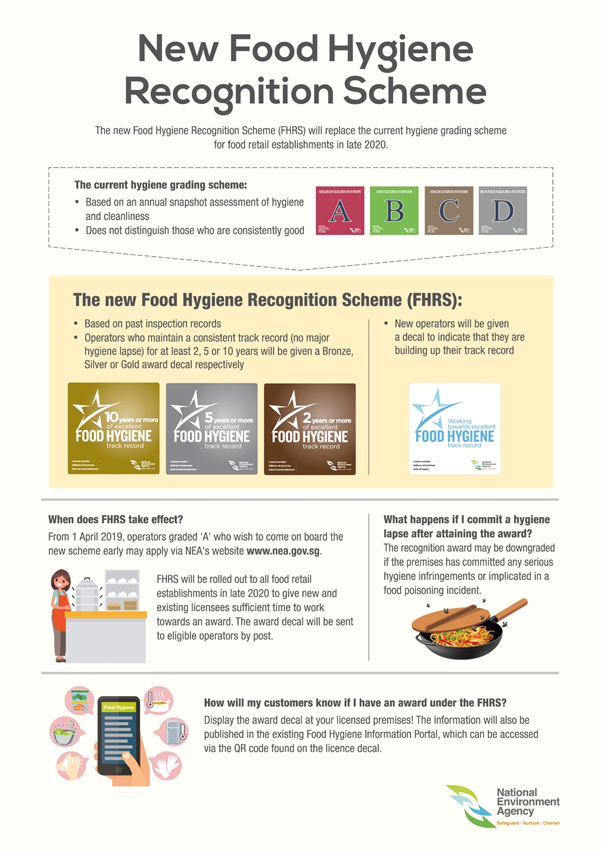
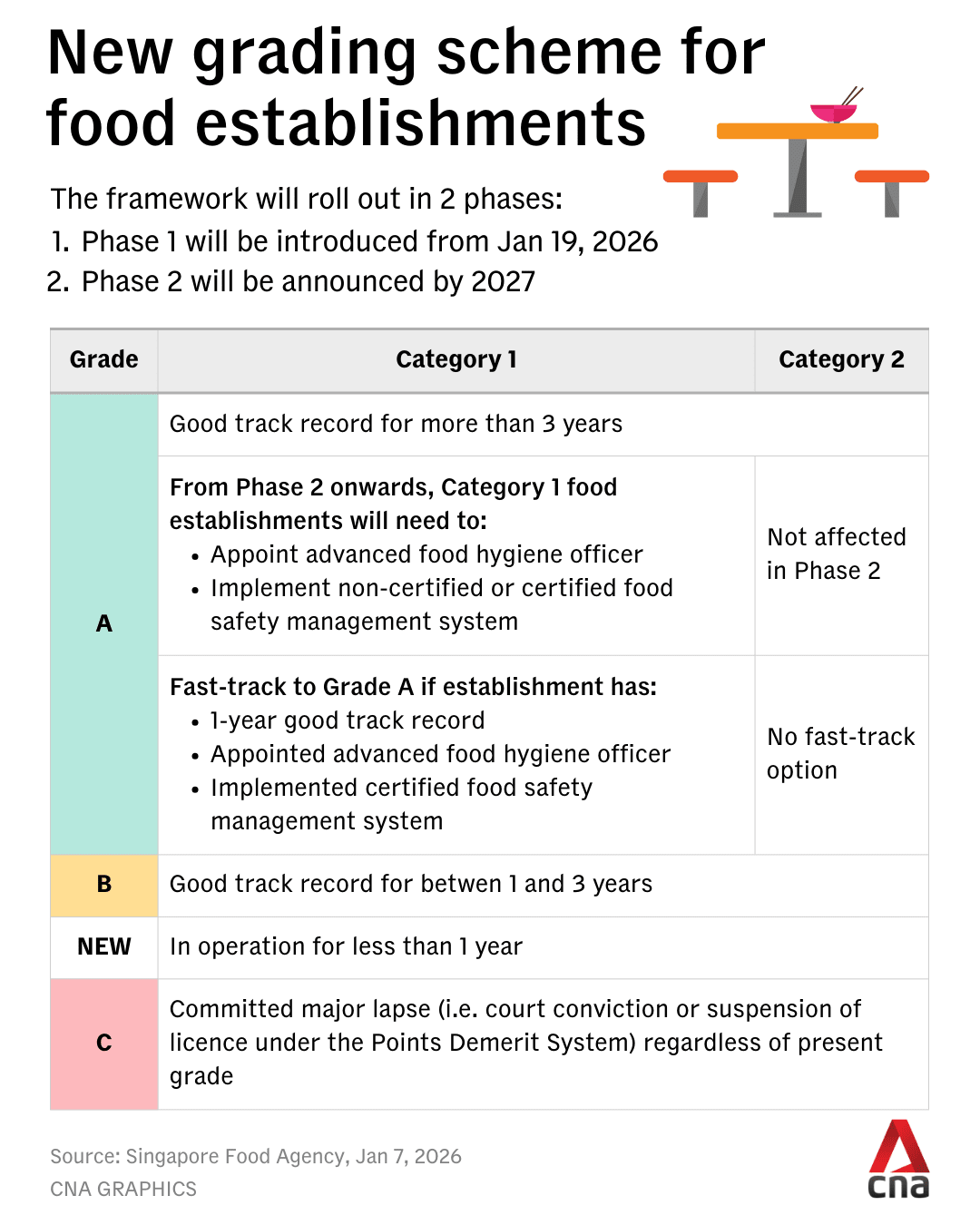
2. SFA's New Food Safety Grading Framework (Announced Jan 2025)
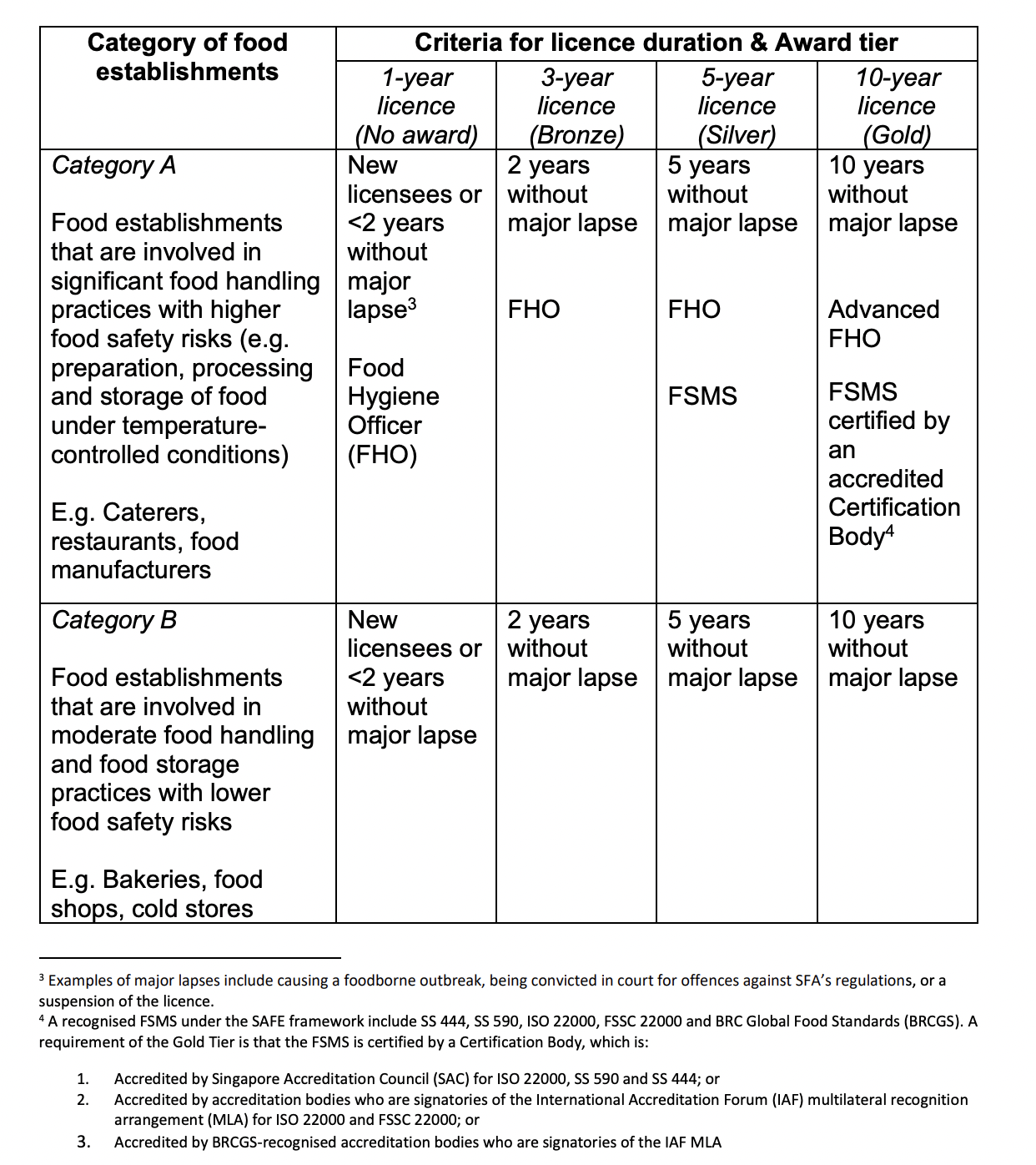
- Applies to ~45,000 licensed outlets (restaurants, hawkers, etc.), categorizing by processing scale: Category 1 (high-scale) needs advanced hygiene officers and safety management systems for A-grades.
- Shifts from snapshot assessments to consistent practices; home-based businesses exempt but must follow basic laws (no catering, legal sourcing).
- Overcoming tip: Invest in staff training (e.g., Food Safety Levels 1-3) and digital monitoring for traceability/temperature to meet enhanced requirements and sustain high grades.
3. Labor and Wage Pressures Under Progressive Wage Model
- MOM mandates training and progressive wages for citizen/PR workers in food services to boost productivity.
- Tight labor market drives wage hikes, quotas, and levies; operators adapt via menu simplification, kiosks, and automation.
- Overcoming tip: Use Productivity Solutions Grant for self-ordering tech and training modules; focus on lean staffing models.
4. Competition and Cost Challenges
| Challenge | Key Issues | Strategies |
|---|---|---|
| High Rents | Volatility in malls/high-footfall areas; short leases amplify fit-out risks. | Negotiate longer terms; target secondary locations or hawker centers (Singaporeans/PRs preferred). |
| Input/Utility Costs | Elevated food prices, energy; cash flow strains. | Strengthen liquidity; apply Energy Efficiency Grant for upgrades. |
| Market Pressures | 2025 closures in premium segments; competition from home-based/virtual brands. | Simplify operations, adopt cloud kitchen protocols (e.g., delivery safety), and emphasize sustainability like food waste reduction. |
5. Additional 2026 Regulatory Notes
- HPB sugary drinks tax: Impacts retail SSSIO products; reformulate to avoid low grades/taxes.
- Food waste: Zero-waste push requires safe donation handling and recycling.
- Government Support: Enterprise Development Grant aids digitalization/automation for competitiveness.
Proactive steps like comprehensive training, tech adoption, and grant utilization position F&B businesses to navigate these hurdles effectively.














WebSeoSG offers the highest quality website traffic services in Singapore. We provide a variety of traffic services for our clients, including website traffic, desktop traffic, mobile traffic, Google traffic, search traffic, eCommerce traffic, YouTube traffic, and TikTok traffic. Our website boasts a 100% customer satisfaction rate, so you can confidently purchase large amounts of SEO traffic online. For just 40 SGD per month, you can immediately increase website traffic, improve SEO performance, and boost sales!
Having trouble choosing a traffic package? Contact us, and our staff will assist you.
Free consultation