

Customer Segmentation and Targeted Audience Personas
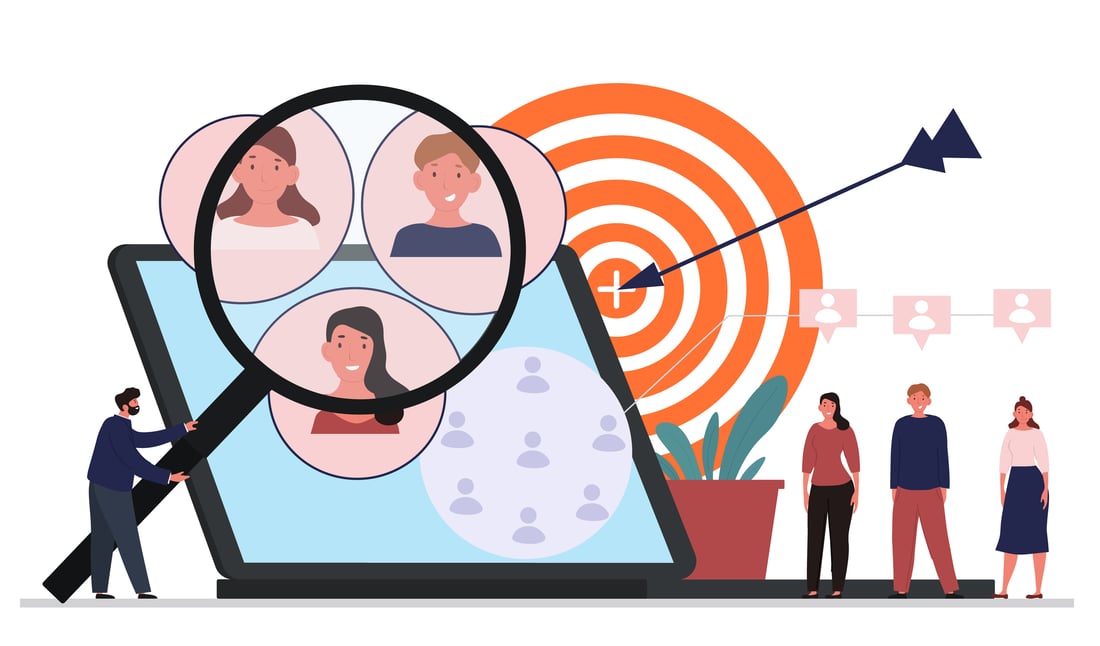
Customer segmentation and targeted audience personas are both essential tools in modern marketing, but they serve different purposes and are used at different stages of the marketing process.
Customer Segmentation
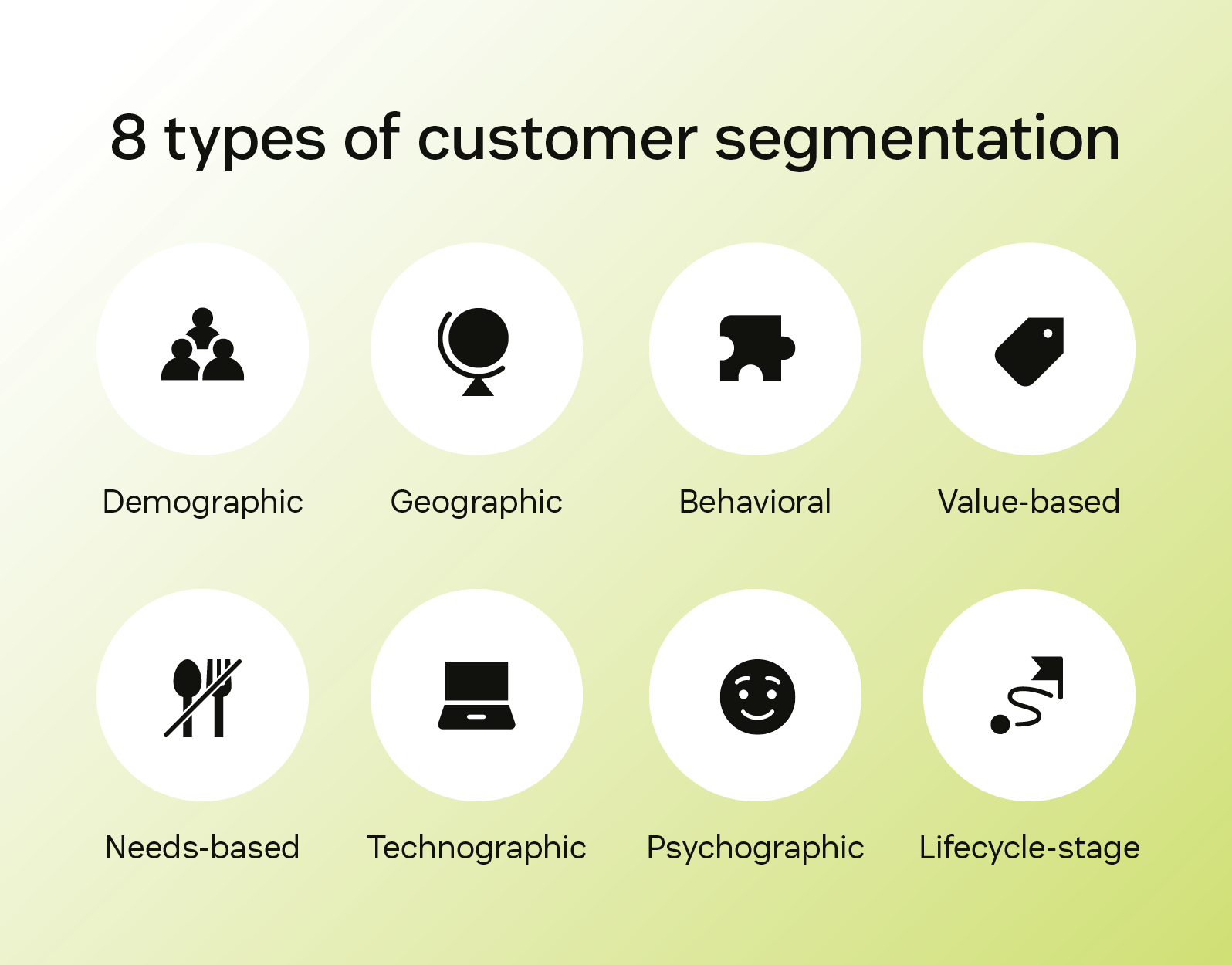
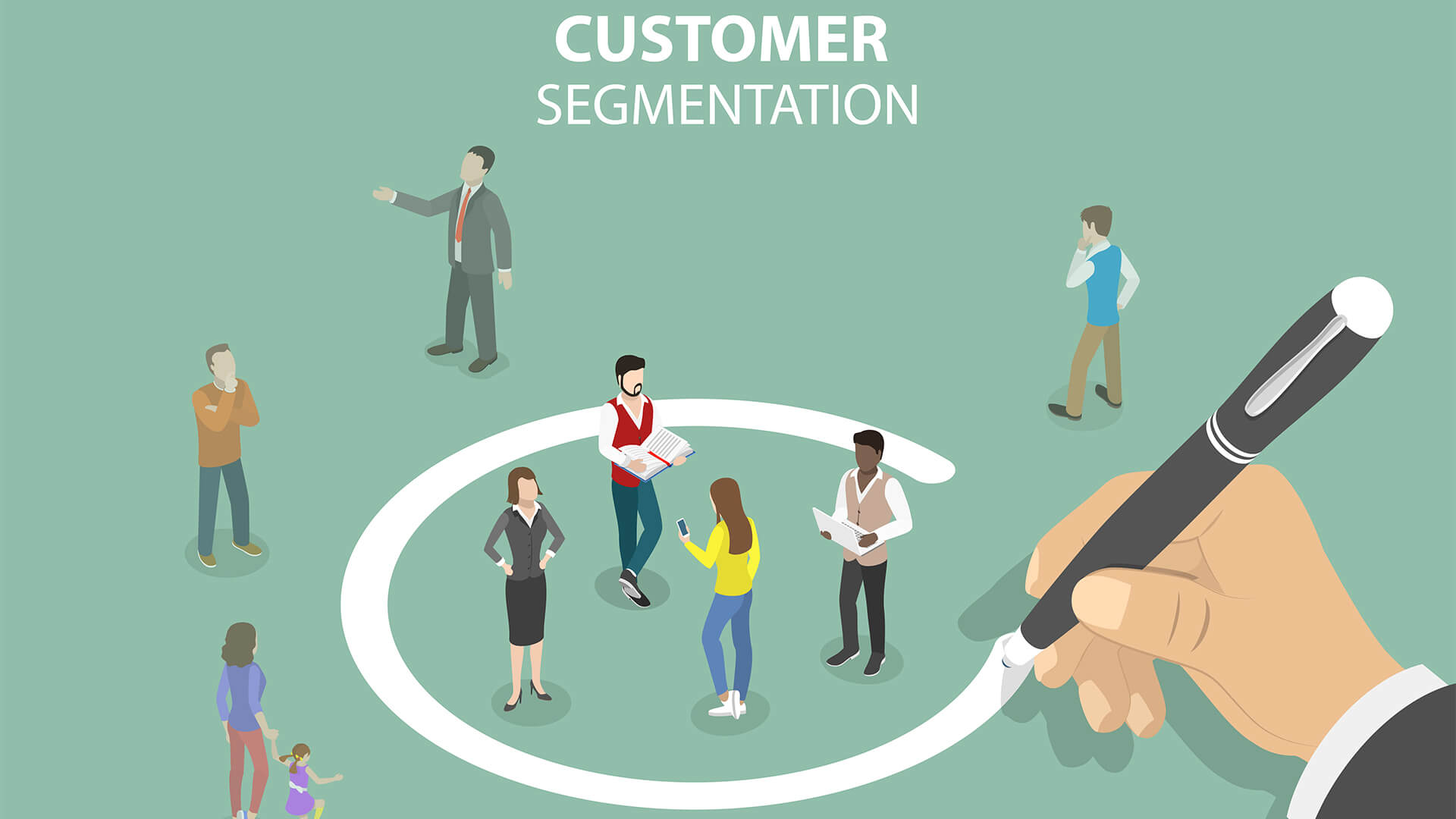
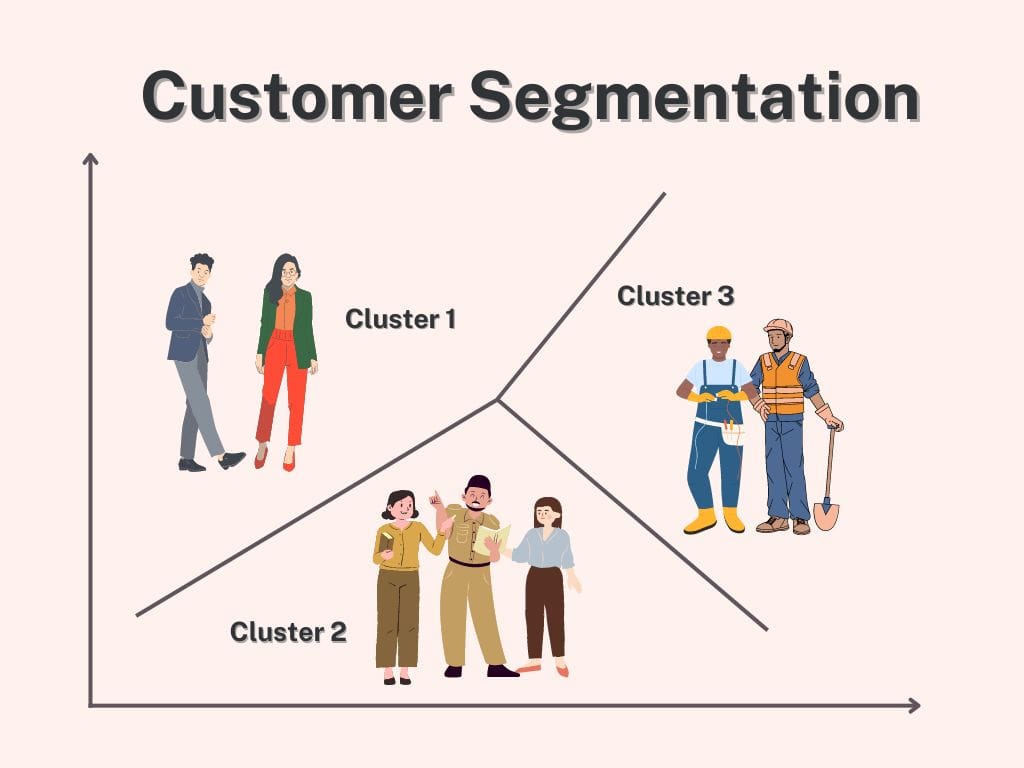
Customer segmentation is the process of dividing a company’s customer base into distinct groups based on shared characteristics such as:
- Demographics (age, gender, income, education)
- Geography (location, urban vs. rural)
- Psychographics (lifestyle, values, interests)
- Behavior (purchasing habits, brand interactions, loyalty)
The goal is to create smaller, more manageable groups so businesses can tailor their marketing efforts, products, and services to meet the specific needs and preferences of each segment. This leads to more effective campaigns, higher engagement, and improved customer satisfaction.
Examples:
- An insurance company segments customers by age to offer different policies.
- An e-commerce store segments users who frequently abandon carts and sends them targeted discount offers.
Targeted Audience Personas (Buyer Personas)
A targeted audience persona (or buyer persona) is a fictional, detailed representation of an ideal customer within a segment. Personas are created using real data and insights from customer segments, but they go beyond statistics to include motivations, goals, challenges, and behaviors.
Personas help marketers empathize with customers and create more relatable, human-centered marketing strategies. They are often used to guide content creation, product development, and customer service.
Key Features:
- Personas are fictional but based on real data.
- They include details like job title, daily challenges, motivations, and preferred communication channels.
- Personas help teams understand the emotional and behavioral triggers behind customer decisions.
Example:
- A persona for a tech startup might be “Sarah, a 32-year-old marketing manager who values efficiency and is always looking for tools to streamline her team’s workflow.”
Key Differences
| Aspect | Customer Segmentation | Targeted Audience Persona |
|---|---|---|
| Nature | Group of real customers | Fictional representation of a customer |
| Purpose | To group customers for targeted marketing | To humanize and understand customer needs |
| Data Used | Demographics, behavior, psychographics | Real data + behavioral/emotional insights |
| Use Case | Campaign targeting, product development | Content creation, messaging, empathy |
How They Work Together
- Segments identify who your customers are.
- Personas help you understand why they behave the way they do.
Businesses often start with segmentation to identify key customer groups, then create personas for each segment to guide more personalized and effective marketing strategies.
Benefits
- Customer Segmentation: Enables targeted marketing, improves customer experience, increases conversion rates, and helps in product development.
- Targeted Audience Personas: Enhances empathy, improves messaging, and helps teams create more relevant and engaging content.
In summary:
Customer segmentation divides your audience into groups based on shared traits, while targeted audience personas bring those groups to life with detailed, human-like profiles. Both are crucial for effective, personalized marketing.












WebSeoSG offers the highest quality website traffic services in Singapore. We provide a variety of traffic services for our clients, including website traffic, desktop traffic, mobile traffic, Google traffic, search traffic, eCommerce traffic, YouTube traffic, and TikTok traffic. Our website boasts a 100% customer satisfaction rate, so you can confidently purchase large amounts of SEO traffic online. For just 40 SGD per month, you can immediately increase website traffic, improve SEO performance, and boost sales!
Having trouble choosing a traffic package? Contact us, and our staff will assist you.
Free consultation