

Using HARO and similar platforms can get you quoted in articles, build authority, earn strong backlinks – and often open doors to full guest posts and other collaborations (podcasts, columns, co‑authored pieces) with the same editors and journalists.
Below is a practical, step‑by‑step approach focused specifically on turning HARO‑style wins into guest post opportunities.
1. Understand What HARO Is (and Is Not)
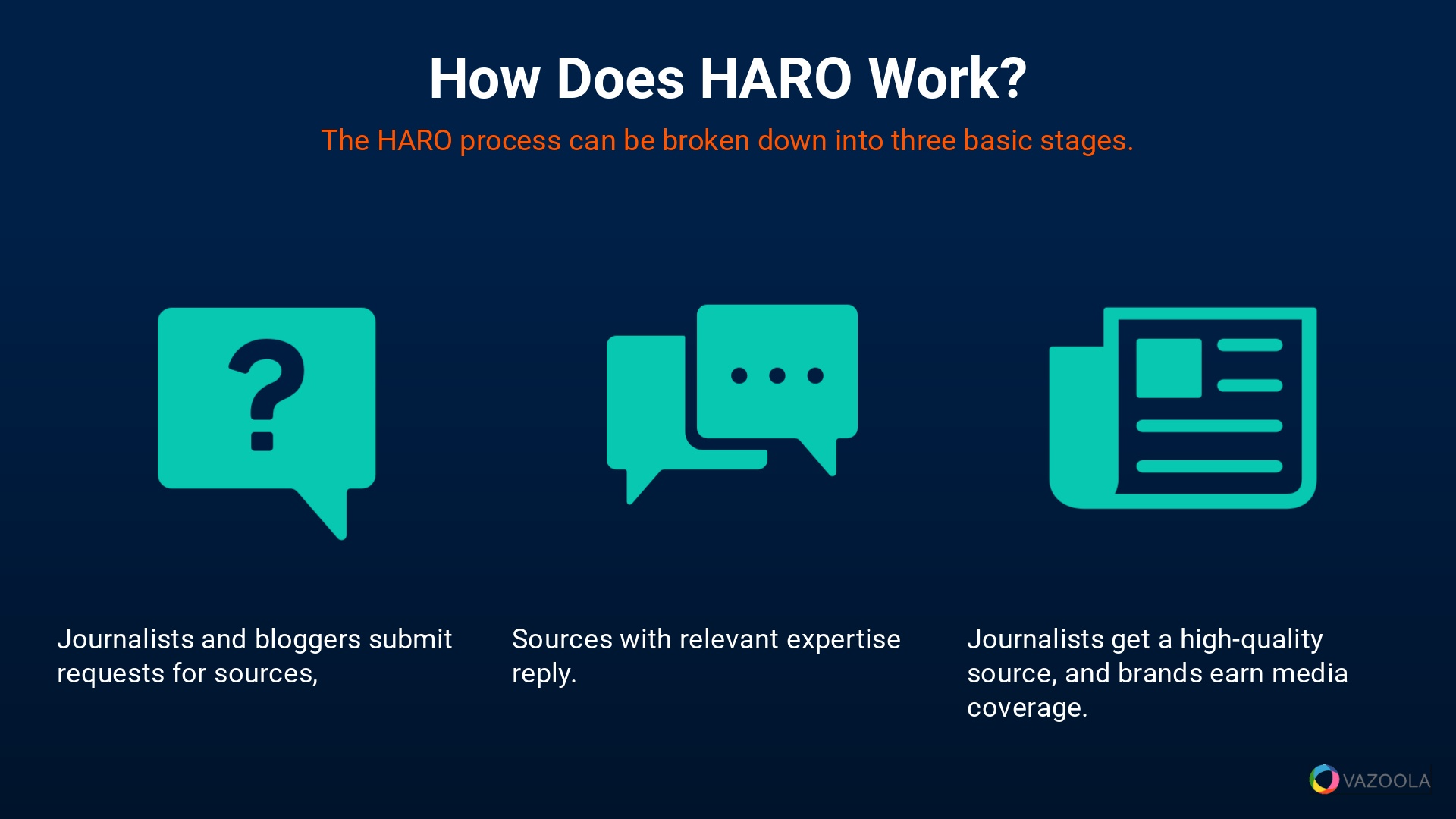
- HARO (Help A Reporter Out) is a free platform where journalists post queries and experts pitch short answers to be quoted in their stories.
- You usually contribute 100–300 words as a quote, not a full article.
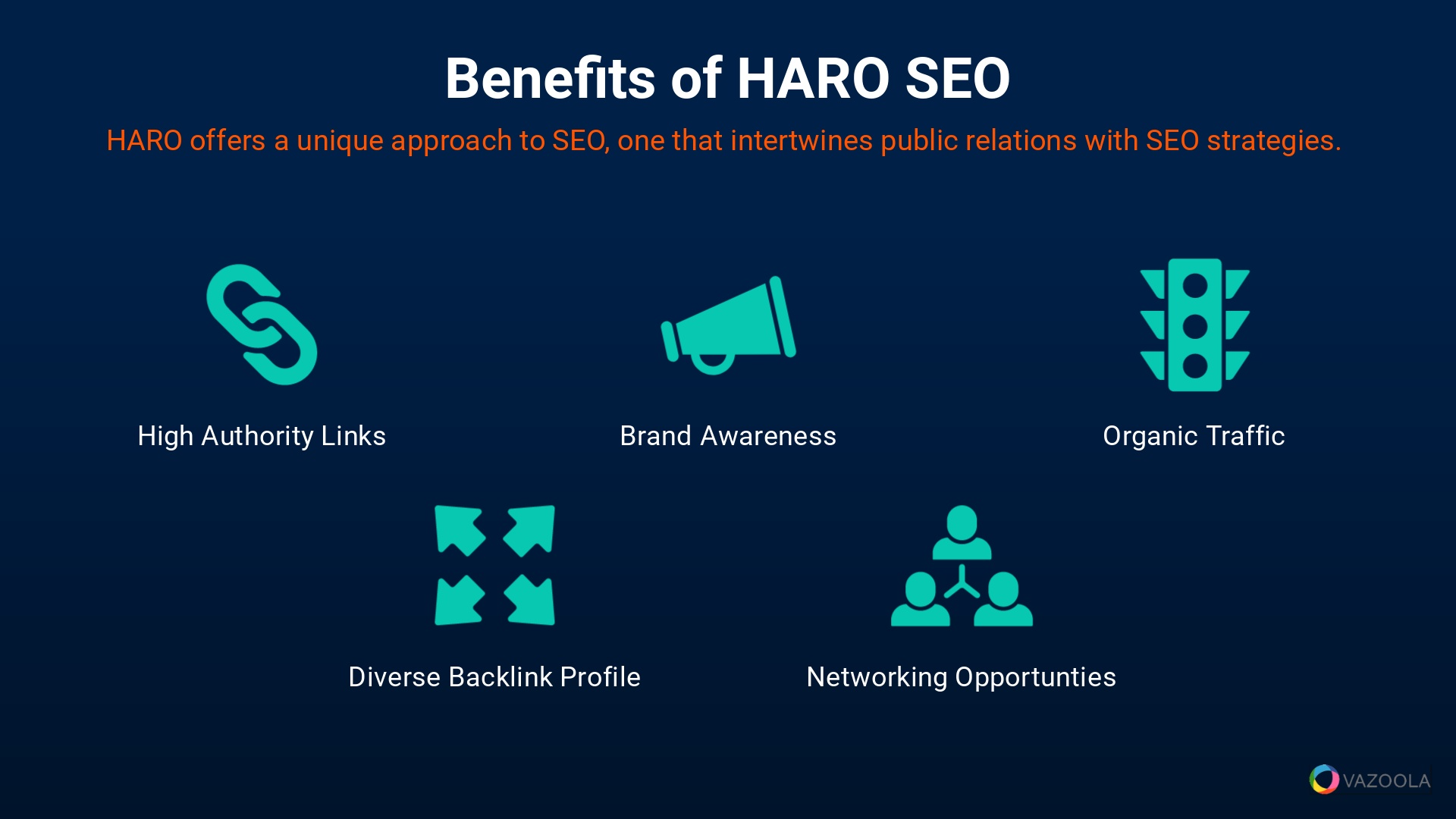
- Core value:
- Authority mentions on big sites
- High‑quality backlinks to your site
- Relationships with journalists and site editors that can later become guest posts, podcast invites, or recurring contributions.
Think of HARO as door‑opening PR, and guest posts as the deeper collaboration you aim for once the door is open.
2. Set Your Strategy Before You Start
Define:
- Target topics: niches where you want authority (e.g. SaaS marketing, personal finance, health).
- Target pages: which URLs you’d ultimately like to build links to (home, key landing pages, pillar blog posts).
- Target sites: what kind of sites you want to guest post on (industry blogs, SaaS tools, general media, niche magazines).
Then:
- Use HARO and similar tools mainly to get initial mentions and contacts on those kinds of sites.
- After you’re quoted and have built some trust, you pitch guest posts or recurring contributions to the same people.
3. Set Up and Filter HARO for the Right Opportunities
- Create a HARO source account and choose relevant categories (e.g. Business & Finance, High Tech, Lifestyle).
- You will receive up to three emails per weekday with queries organised by topic.
- Skim only for:
- Topics directly related to your expertise and your future guest‑post themes
- Recognisable or relevant outlets
- Clear requirements that you genuinely meet (role, experience, geography, etc.)
If you do not clearly fit the request, skip it – relevance and credibility matter a lot for both quotes and future guest opportunities.
4. Write Pitches That Journalists Want to Use
A strong HARO pitch does three things: gets picked, positions you as a pro, and makes follow‑up easy (which is where guest posts come in).
Use this structure:
-
Subject line (if emailing directly):
- “HARO Response – [Query Title] – [Your Role]”
-
Opening: who you are (1–2 lines)
- Name, role, company, a sharp credibility hook (years of experience, results, notable brands, credentials).
-
Answer: 2–5 tight bullet points
- Immediately answer the question with specific, quotable, non‑fluffy tips.
- Each bullet should be self‑contained so the journalist can paste it straight into their article.
- Stay within ~100–250 words unless the query asks otherwise.
-
Mini bio + link
- 1–2 lines and a suggested link: homepage or a relevant resource (which can later be a pillar article you might expand as a guest post).
-
Soft relationship opener
- One line that makes future collaboration easy: e.g.
- “I also write in‑depth pieces on this topic; happy to help with future articles or deeper contributions if useful.”
- One line that makes future collaboration easy: e.g.
Key optimisation points:
- Speed: respond as soon as possible; strong responses within 15–60 minutes are far more likely to be used.
- Personalisation: use the reporter’s name if given and reference specifics from their query.
- Qualification: clearly show you match their stated requirements (title, years of experience, company type, region).
5. After You’re Quoted: Turn It into a Relationship
Once a piece goes live and you’re mentioned:
-
Monitor for publication
- Some journalists will email you when the article is live; if not, periodically search your brand/name or use SEO tools (Ahrefs, SEMrush, etc.) to spot new backlinks.
-
Thank and amplify
- Send a short thank‑you email.
- Share the article on LinkedIn / X and tag the author and publication, giving them extra exposure.
-
Log the contact
- Keep a sheet or CRM with: journalist name, outlet, topic, article URL, and what you contributed.
- Note whether they’re staff, editor, or freelance (freelancers write for multiple outlets, which is gold for future guest pitches).
This makes it natural to follow up later with guest post or deeper contribution ideas based on the article you just helped with.
6. How to Turn HARO Wins into Guest Post Opportunities
Once you have at least one positive interaction (being quoted, or a nice email exchange), you can move towards guest posts.
Timing
- Do not pitch a guest post in your very first HARO response.
- Wait until:
- Your quote is published, and
- You’ve thanked the journalist and shared the piece.
The follow‑up framework (1–2 weeks after publication)
Email example (adapt to your style):
-
Subject:
- “Follow‑up idea for [Outlet] – deeper piece on [specific angle]”
-
Body (outline):
- Reference the article:
- “Thanks again for including my perspective in your article on [topic] for [outlet]. I’ve received [nice feedback / comments / traffic] from it.”
- Propose value:
- “A lot of people in my audience asked for a deeper breakdown of [subtopic you covered briefly]. If you think it would serve your readers, I’d be happy to put together a full, original article on [very specific angle] that would expand on that section.”
- Show you understand their outlet:
- Mention article length, format, or section you’re aiming for, based on how their other content looks.
- Offer brief outline:
- Add 3–5 bullets of what the article would cover.
- Close:
- “If this angle isn’t a fit, I can suggest a few other ideas aligned with your [business / lifestyle / tech] section.”
- Reference the article:
Position this as helping them deliver more value to their readers, not as a link request.
7. Use Other HARO‑Like Platforms the Same Way
Apply a similar strategy on:
- Qwoted, Terkel, JustReachOut, Featured, SourceBottle, and niche journalist call‑out lists/newsletters.
- LinkedIn / X: many journalists and editors post source requests with “#journorequest” or “looking for sources”, which you can treat like HARO queries.
Same flow:
- Offer a compact, high‑value quote.
- Get quoted and build rapport.
- Follow up with a guest post / column / expert guide idea when appropriate.
8. Align This with Your Guest Posting & SEO Plan
HARO vs classic outreach guest posting:
| Aspect | HARO‑style platforms | Traditional guest posting outreach |
|---|---|---|
| Content length | Short quotes (100–300 words) | Full articles (800–2000+ words) |
| Link control | Usually 1 branded link, sometimes none | You can often choose anchor and target page |
| Authority level | Often higher‑DA, media‑type sites | More mixed; many niche blogs |
| Speed to result | Can be quite fast if pitches accepted | Slower: prospecting, pitching, writing, edits |
| Relationship depth | Starts shallow, can deepen over time | Can be deeper from the first full post |
A strong strategy uses both:
- HARO for:
- Authority mentions, “as seen in”, big‑brand backlinks, and new editorial relationships.
- Guest posting for:
- Longer‑form thought leadership, strategic internal links, and targeted SEO content.
Use HARO wins as social proof when you later pitch cold guest posts:
“Previously quoted in [Well‑known Site A], [Industry Publication B] via HARO.”
9. Operational Tips to Scale Without Burning Out
- Block time around HARO email drops (they arrive 3× daily on weekdays).
- Filter emails into a dedicated folder with rules by subject (e.g. “HARO”) and scan quickly.
- Prepare reusable credibility snippets:
- 1‑line and 3‑line bios
- A short description of your company and a standard homepage link
- Keep a bank of template answers for recurring topics, then customise 30–50% each time for the specific query.
- Track:
- Pitches sent
- Quotes accepted
- Links gained
- Which outlets / journalists were most receptive
Double down on the verticals and outlets where you are consistently getting picked up – these are top candidates for future guest post pitches.
If you tell me your niche and current site authority, I can draft 2–3 ready‑to‑send HARO response templates and a tailored follow‑up email to convert a successful HARO mention into a guest post offer.















WebSeoSG offers the highest quality website traffic services in Singapore. We provide a variety of traffic services for our clients, including website traffic, desktop traffic, mobile traffic, Google traffic, search traffic, eCommerce traffic, YouTube traffic, and TikTok traffic. Our website boasts a 100% customer satisfaction rate, so you can confidently purchase large amounts of SEO traffic online. For just 40 SGD per month, you can immediately increase website traffic, improve SEO performance, and boost sales!
Having trouble choosing a traffic package? Contact us, and our staff will assist you.
Free consultation