

Attribution modeling is the process of assigning proportional credit to various marketing touchpoints—such as paid ads, organic search, email, and social media—across the customer journey to determine their contribution to conversions and measure ROI for both free (organic) and paid channels.
Key Benefits for Tracking ROI Across Channels
Attribution modeling enables marketers to quantify the impact of free and paid efforts by linking interactions to outcomes like sales or app installs, optimizing budgets, and proving value to stakeholders.
- Identifies high-performing channels: Reveals which paid (e.g., display ads) or free (e.g., organic search) touchpoints drive conversions, allowing reallocation from underperformers.
- Improves forecasting and segmentation: Uses historical data to predict campaign effects and target high-value audiences.
- Enhances cross-channel alignment: Provides a unified view for marketing and sales, reducing disputes over credit.
Common Attribution Models
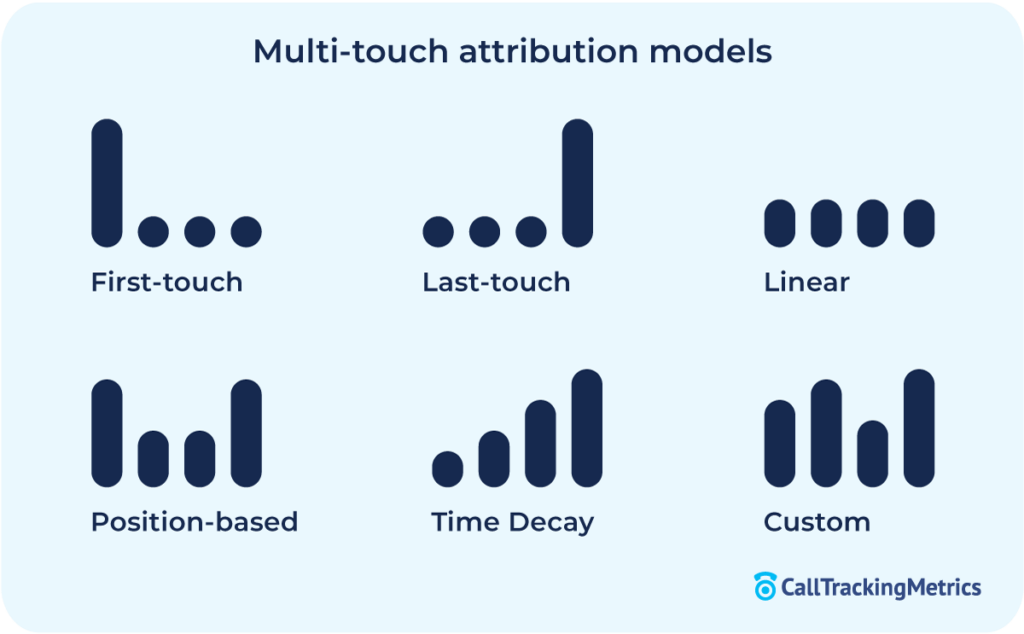
Models vary in how they distribute credit, suiting different journey lengths and goals. Single-touch models simplify top-of-funnel analysis, while multi-touch handles complex paths blending free and paid interactions.
| Model Type | Description | Best For | Limitations |
|---|---|---|---|
| First-Touch (First-Click) | Awards 100% credit to the initial touchpoint (e.g., first paid ad or organic referral). | Awareness and new lead generation from top-funnel channels. | Ignores later influences in multi-step journeys. |
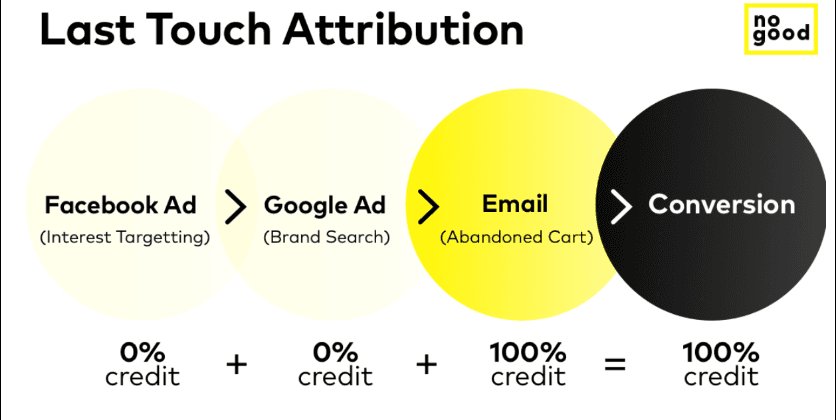
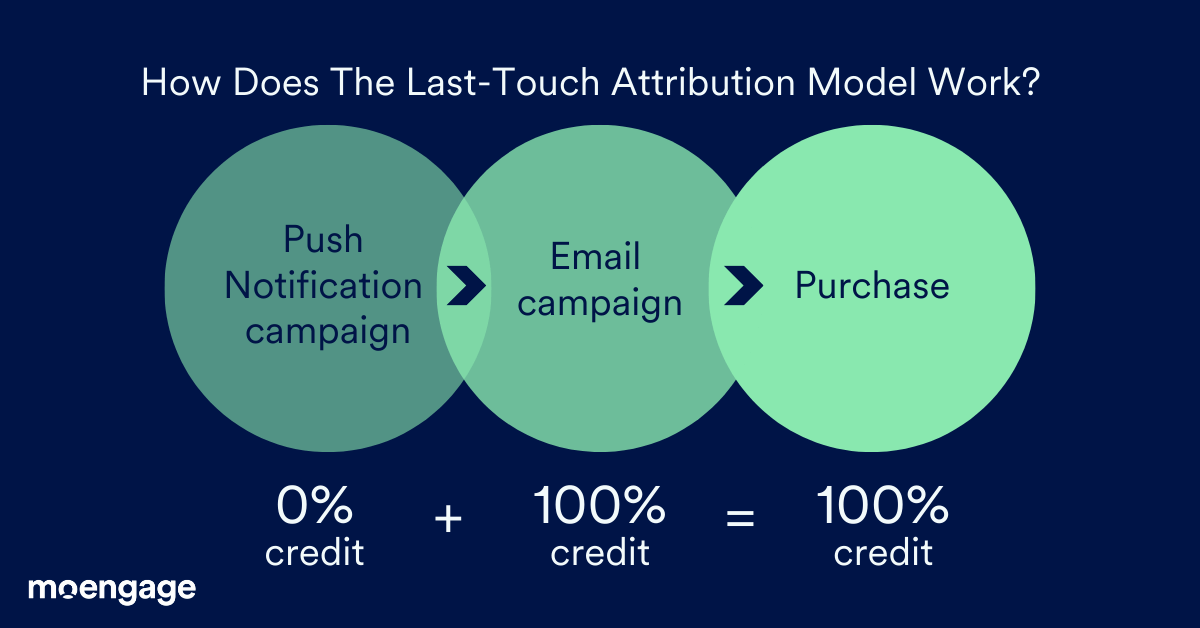
| Last-Touch | Credits the final interaction before conversion (implied in sources as common single-touch counterpart). | Bottom-funnel optimization. | Overlooks early awareness efforts. |
| Linear (Multi-Touch) | Splits credit equally across all touchpoints (e.g., 20% each for 5 interactions mixing paid social, email, organic). | Balanced view of even contributions. | Assumes uniform impact, ignoring varying influence. |
| Time-Decay | Gives more credit to recent touchpoints, weighting later paid or free efforts higher. | Journeys where recency drives decisions. | Undervalues early nurturing. |
| Data-Driven/Algorithmic | Uses ML or stats (e.g., Markov, Shapley) to assign credit based on removal simulations, handling free/paid interactions dynamically. | Complex, cross-channel ROI in B2B or long cycles. | Requires robust data; computationally intensive. |
Measuring ROI Across Free and Paid Channels
- Implementation: Track clicks, impressions, and engagements via platforms like Google Analytics, then apply models to attribute revenue.
- Free vs. Paid Insights: Organic channels often excel in awareness (first-touch), while paid shines in mid/bottom-funnel; multi-touch reveals synergies (e.g., paid social leading to organic conversion).
- Challenges: Long B2B cycles and click overestimation need data-driven models or incrementality tests for accuracy.
- Best Practices: Combine models (e.g., first-touch with multi-touch), review regularly, and integrate with tools for real-time adjustments.
This approach directly ties marketing spend to revenue, enabling precise ROI calculation by channel type.
)
.png?width=474&name=position-based%20attribution%20(post%20upgrade).png)













WebSeoSG offers the highest quality website traffic services in Singapore. We provide a variety of traffic services for our clients, including website traffic, desktop traffic, mobile traffic, Google traffic, search traffic, eCommerce traffic, YouTube traffic, and TikTok traffic. Our website boasts a 100% customer satisfaction rate, so you can confidently purchase large amounts of SEO traffic online. For just 40 SGD per month, you can immediately increase website traffic, improve SEO performance, and boost sales!
Having trouble choosing a traffic package? Contact us, and our staff will assist you.
Free consultation