

Content quality issues that trigger search suppression include thin content, duplicate content, and spammy content; each can cause engines (especially Google) to demote or exclude pages in search results because they fail to meet helpfulness, originality, or policy standards.
Essential context and what triggers suppression
- Thin content: Pages that provide little to no unique or useful information (e.g., very short pages, doorway pages, automatically generated stubs) are likely to be judged unhelpful and suppressed by Google's helpful-content signals.
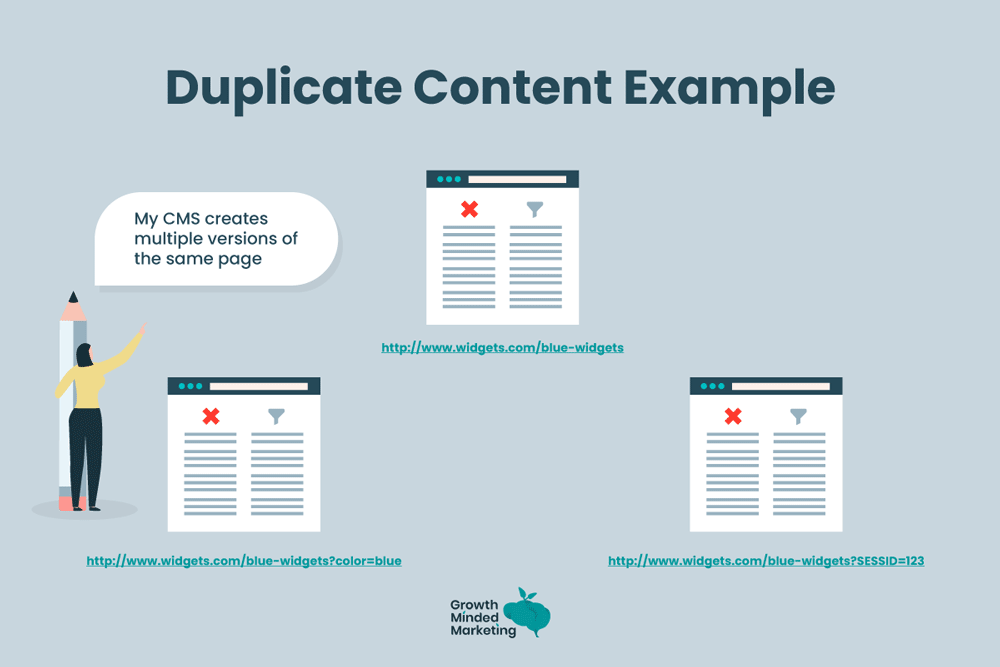
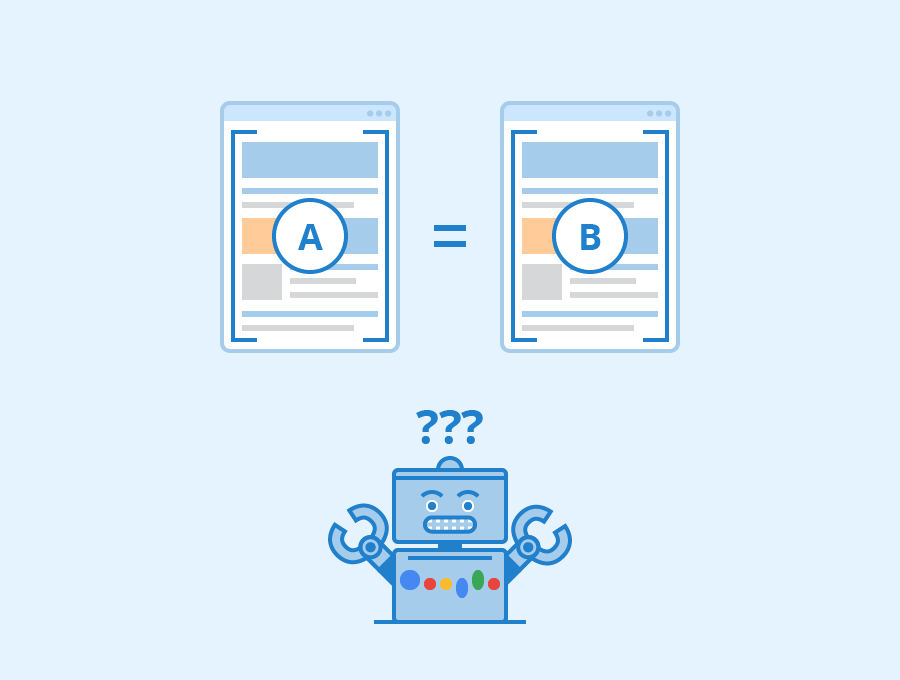
- Duplicate content: Substantially similar or copied material across multiple pages (on the same site or across sites) reduces the value of individual pages and can cause search engines to pick one canonical version and suppress the rest.
- Spammy content: Content created primarily to manipulate rankings—keyword stuffing, doorway pages, cloaking, scraped content, or pages with deceptive intent—can be filtered or penalised under webspam and quality policies.
How search engines decide (briefly)
- Google’s helpful-content system prioritises original, user-focused content that demonstrates expertise and adds substantive value; content lacking those signals is at risk of being deprioritised.
- When content is duplicated or low-value, search engines may index a single representative URL and suppress others to avoid showing redundant results.
- Spam and policy-violating content can be removed or de-indexed outright under Google’s content policies (e.g., revenge pornography, explicit doxing, copyright violations, other legal takedown categories).
Common real-world symptoms of suppression
- Significant drop in organic impressions/traffic across many pages rather than just one.
- Pages stop appearing on page one and get pushed to later pages even for formerly high-value queries.
- Search Console messages or manual action notices when Google detects policy violations (in severe spam cases).
Practical actions to recover or avoid suppression
- Fix thin pages: Consolidate or expand low-value pages; add original research, analysis, and user-focused details that can’t be found elsewhere.
- Remove or canonicalise duplicates: Use 301 redirects, rel="canonical", or noindex for duplicated/near-duplicate pages, and ensure the canonical page is the best, most comprehensive version.
- Eliminate spammy signals: Remove keyword stuffing, doorway pages, automatically generated or scraped content; ensure content is written primarily for people, not search engines.
- Content pruning and improvement: Audit site content, noindex or delete low-performing/duplicative pages, and prioritise creating substantially better pages that satisfy user intent.
- Build authoritative alternative assets: For reputation or suppression campaigns, produce optimized positive assets (about pages, profiles, press, blog posts) to outrank unwanted results rather than rely solely on removal.
- Use removals only when eligible: Pursue legal/copyright or Google policy takedowns only when content meets removal criteria (personal data leaks, copyright, explicit illegal content); otherwise suppression via better content/SEO is often the practical route.
When to involve experts or legal help
- If content violates laws, contains personal data, or is clearly defamatory — contact site owners, file legal requests, or use Google’s removal tools and legal forms.
- For large sites facing helpful-content suppression across many pages, consider an expert SEO/content audit to prioritise pruning vs. improving and to design recovery steps.
Limitations and uncertainty
- Google's helpful-content system and ranking algorithms evolve; guidance is based on current reporting and expert analysis rather than a fixed checklist, so recoveries may require iterative testing and sustained content improvements.
- Complete removal of content from the web is often impossible unless it meets specific legal or policy criteria; suppression (pushing content below page one) is the more realistic goal in many cases.
If you want, I can:
- Run a short checklist you can use to audit a page for thin/duplicate/spammy signals; or
- Draft a prioritised action plan for recovering a site affected by helpful-content suppression (content pruning, rewriting, technical fixes, and monitoring).















WebSeoSG offers the highest quality website traffic services in Singapore. We provide a variety of traffic services for our clients, including website traffic, desktop traffic, mobile traffic, Google traffic, search traffic, eCommerce traffic, YouTube traffic, and TikTok traffic. Our website boasts a 100% customer satisfaction rate, so you can confidently purchase large amounts of SEO traffic online. For just 40 SGD per month, you can immediately increase website traffic, improve SEO performance, and boost sales!
Having trouble choosing a traffic package? Contact us, and our staff will assist you.
Free consultation