

Digital Campaign Planning for Journalism Students
Here is a practical way journalism students can think about digital campaign planning:
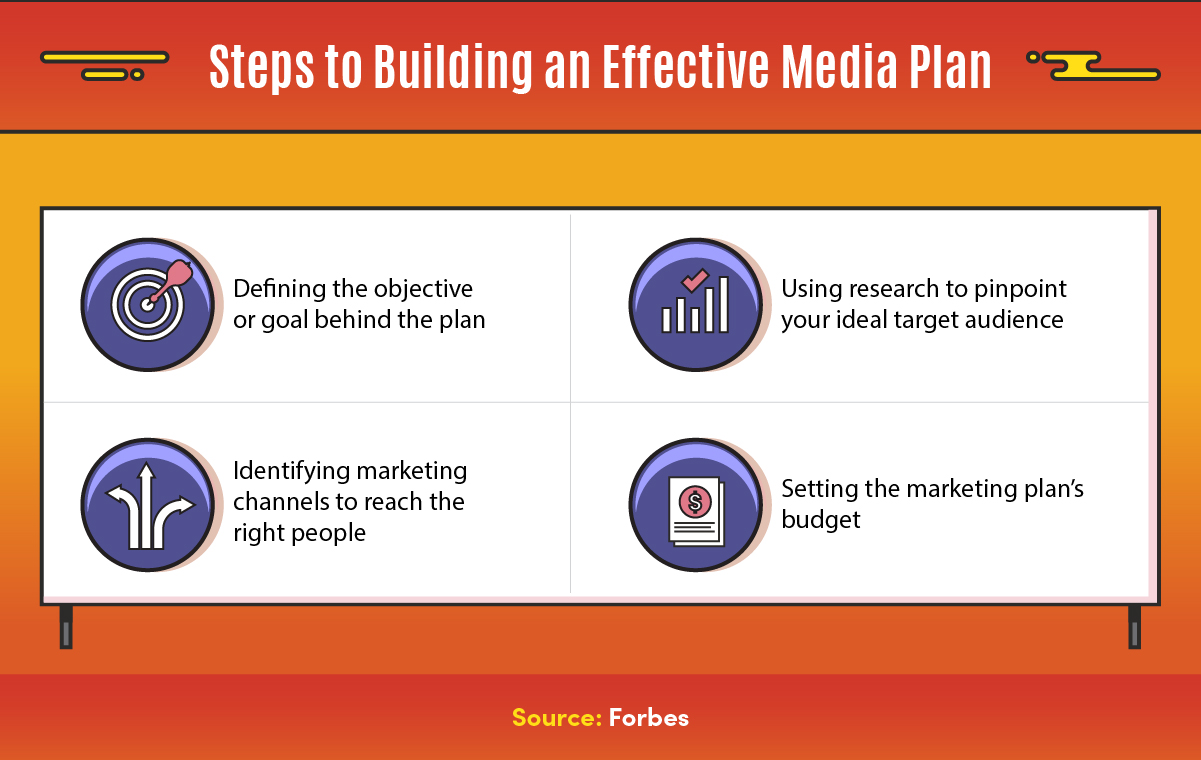
1. Define the campaign goal
Start with a clear purpose. For example:
- increase readership of a story
- promote a student-produced podcast
- drive sign-ups for a newsletter
- raise awareness of an investigative project
2. Identify the target audience
Be specific about who you want to reach:
- age group
- interests
- location
- media habits
- preferred platforms
For journalism, this could be:
- campus students
- young professionals
- local community readers
- niche topic audiences
3. Develop the message and story angle
Decide:
- what the main message is
- why it matters
- what makes it timely or newsworthy
- what action you want the audience to take
For journalism campaigns, the message should stay clear, factual, and audience-focused.
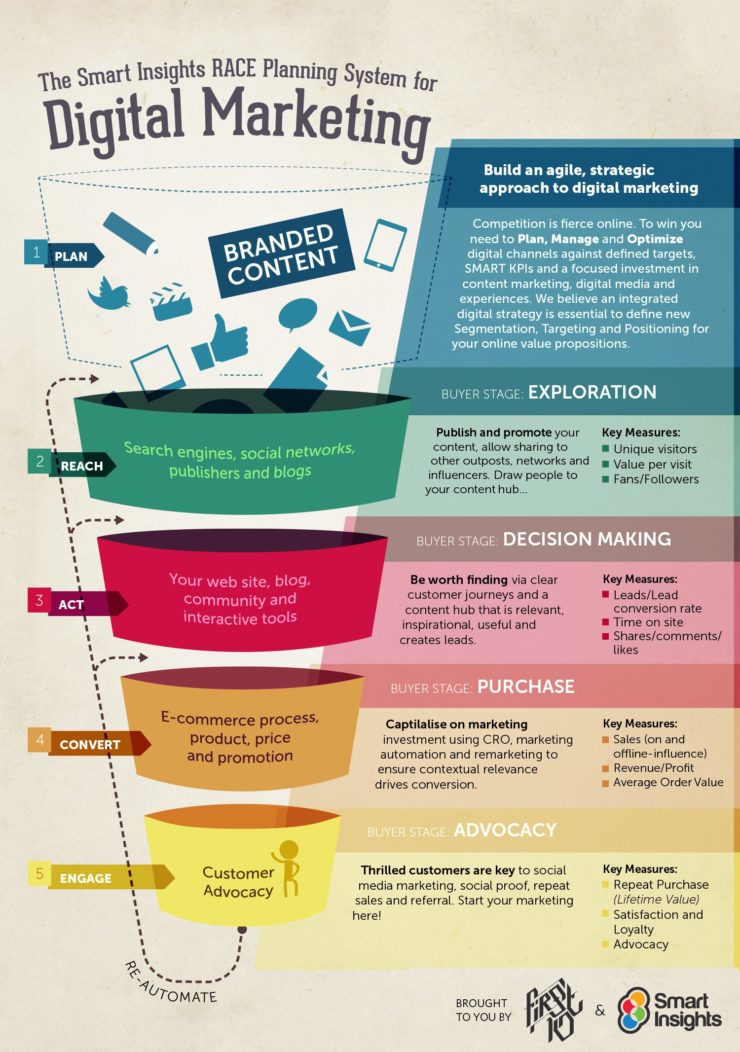
4. Choose the right digital channels
Match the channel to the audience and format:
- Instagram/TikTok for short visual teasers
- X or LinkedIn for updates and links
- YouTube for video explainers
- Email newsletters for direct audience reach
- Website/landing page for the full story or project hub
5. Plan content formats
Use a mix of formats, such as:
- short clips
- quote cards
- carousels
- article excerpts
- behind-the-scenes posts
- podcast snippets
- infographics
6. Set a schedule
Map out:
- pre-launch teaser posts
- launch-day promotion
- follow-up reminders
- post-campaign wrap-up
A simple calendar helps keep the campaign consistent.
7. Measure results
Track performance using:
- views
- clicks
- shares
- comments
- sign-ups
- time spent on page
- newsletter open rates
Then review what worked and what did not.
Simple example
If a journalism student is promoting a student investigation on food waste:
- Goal: get more readers to the article
- Audience: campus community
- Channels: Instagram, newsletter, website
- Content: teaser video, quote cards, infographic
- Success metrics: clicks, shares, time on page
Useful structure for a student media plan
You can organise your plan using:
- objective
- audience
- key message
- channels
- content types
- timeline
- budget
- KPIs
- evaluation
If you want, I can also turn this into a 1-page sample media plan template for journalism students.














WebSeoSG offers the highest quality website traffic services in Singapore. We provide a variety of traffic services for our clients, including website traffic, desktop traffic, mobile traffic, Google traffic, search traffic, eCommerce traffic, YouTube traffic, and TikTok traffic. Our website boasts a 100% customer satisfaction rate, so you can confidently purchase large amounts of SEO traffic online. For just 40 SGD per month, you can immediately increase website traffic, improve SEO performance, and boost sales!
Having trouble choosing a traffic package? Contact us, and our staff will assist you.
Free consultation