

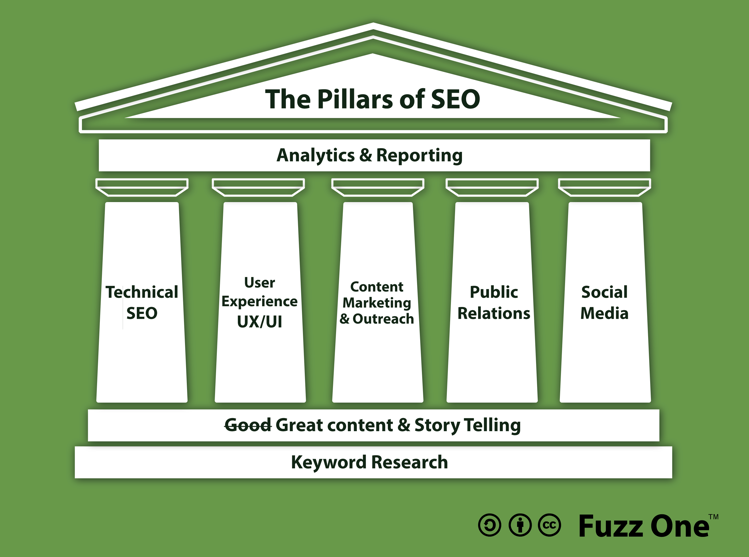
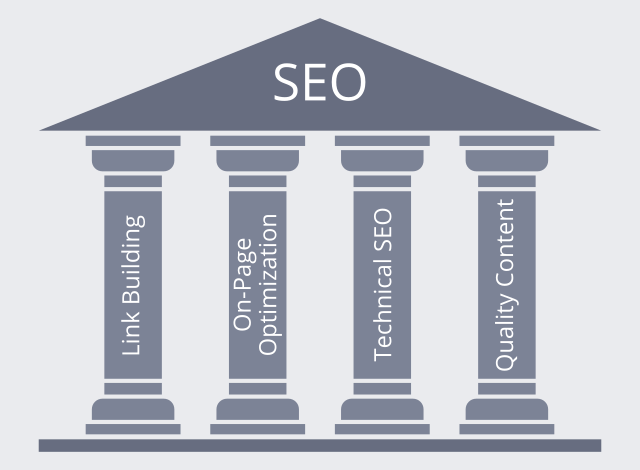
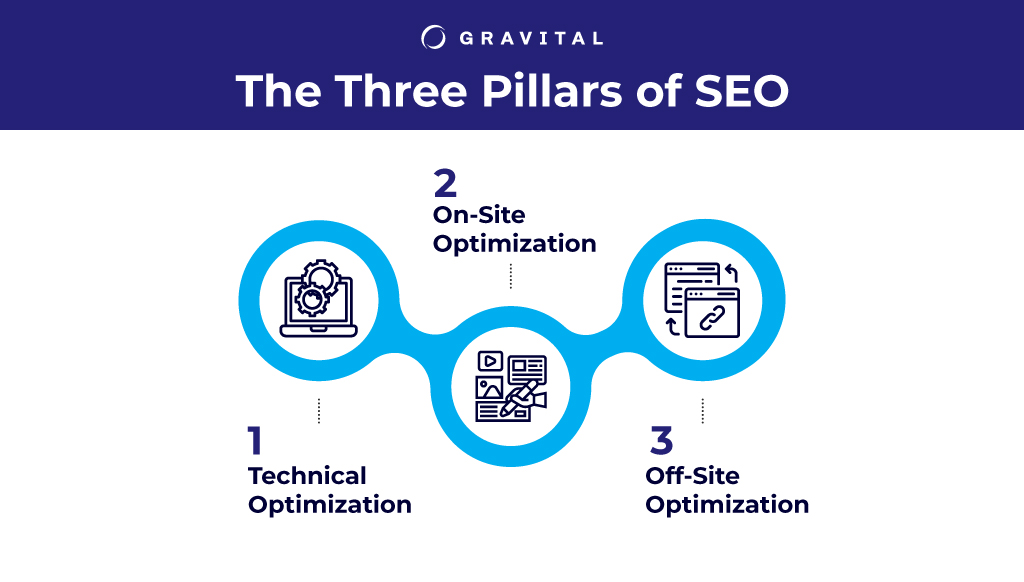
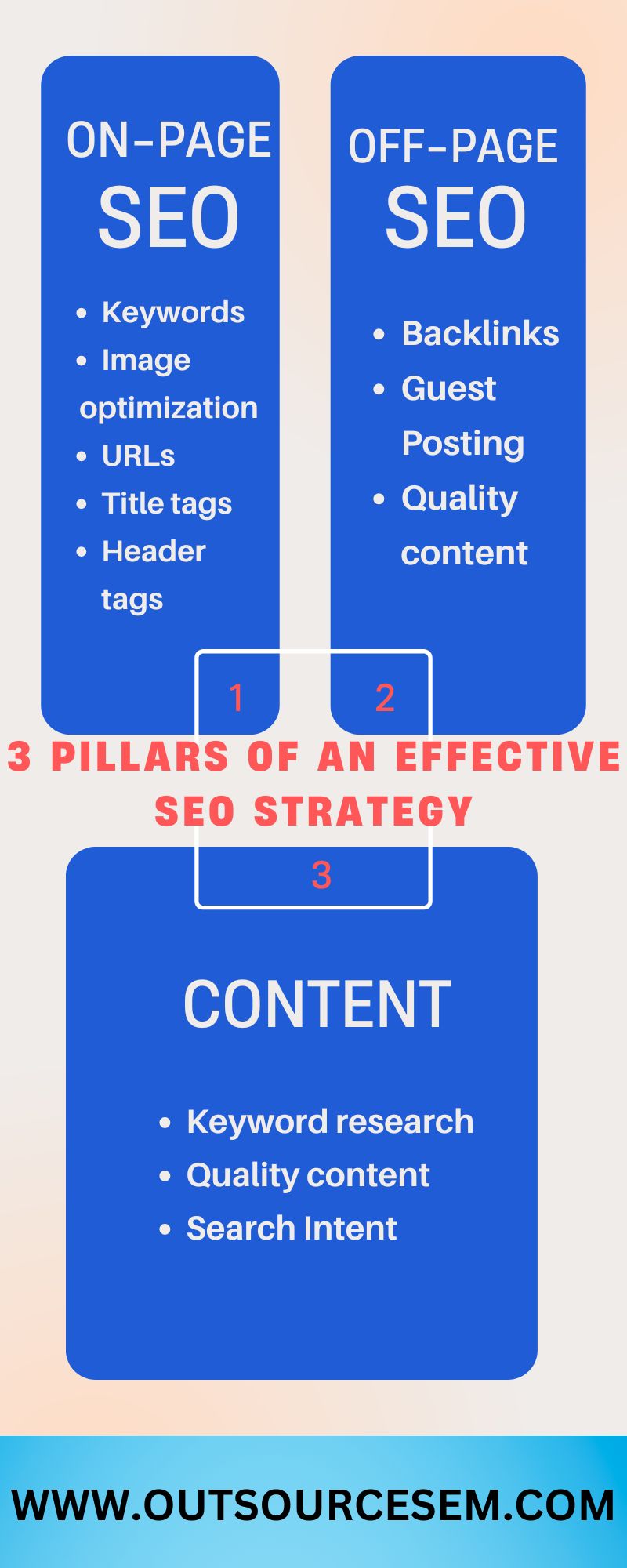
Short answer: A resilient long‑term SEO strategy after recovery should prioritise three pillars — strategic content (quality, topical clusters, and conversion-focused refreshes), community and organic link/brand building, and multi‑channel distribution plus measurement — implemented with a 12–24 month roadmap of iterative testing, governance and technical hygiene to lock in gains and grow sustainably.
Context and recommended plan (actions, timing, and KPIs)
- Immediate (0–3 months): stabilise technical health and set baselines
- Run a post‑migration/penalty recovery audit to confirm indexing, crawlability, redirects, sitemap/robots and core vitals are stable (pages indexed, no unexpected 4xx/5xx, canonical correctness). This baseline is essential for later attribution.
- Recreate pre‑incident performance baselines (top landing pages, keyword rankings, referral links, conversion rates) to measure recovery and future growth.
- Fix urgent on‑page issues (meta titles/descriptions, H tags, schema, slow images) and strengthen internal linking for important pages so equity flows correctly.
KPIs: indexation rate, crawl errors, Core Web Vitals, organic sessions (week over week), ranking share for priority keywords.
- Short term (3–6 months): rebuild trust with content & links
- Prioritise content that serves business outcomes: update high‑traffic and conversion pages first (top 5 landing pages), then map gaps to target intent (informational → commercial → transactional) and create topical clusters around priority themes to consolidate authority.
- Fix thin or duplicative pages and merge or canonicalise to resolve cannibalisation and E‑E‑A‑T concerns.
- Run a backlink audit and remove/disavow toxic links; begin outreach to regain or earn high‑quality links from niche authorities and partners (case studies, data, expert roundups).
KPIs: organic conversions, time on page, backlink quality score, number of improved/high‑intent rankings.
- Mid term (6–12 months): scale content systems & community
- Implement a scalable editorial calendar built on research (keyword clusters, audience questions, SERP intent, competitor gaps) and measure value by traffic + leads, not just volume.
- Build community and brand channels that feed SEO: email lists, owned communities, social followings, and partnerships that drive repeat traffic and natural linking (guest posts, webinars, industry events). Community content (Q&A, user‑generated content, forums) can surface long‑tail queries and improve E‑E‑A‑T.
- Leverage content formats beyond blogs: tools/calculators, data studies, video and interactive assets to attract links and engagement across channels.
KPIs: organic referral link growth, repeat visitors, email signups attributable to organic pages, long‑tail ranking growth.
- Long term (12–24 months+): diversification & optimisation loop
- Adopt a continuous testing and optimisation rhythm: A/B test page templates/CTAs, refine content for higher intent, and iterate internal linking and siloing for topical authority.
- Multi‑channel amplification: repurpose pillar content into social snippets, newsletters, guest posts, paid discovery and PR to increase impressions and referral links — measure assisted conversions from each channel to prioritise spend.
- Invest in brand signals and offline/industry presence that reduce dependence on any single algorithm (citations, local optimisation, trademarks, partnerships). In some penalty recoveries rebranding or domain change is last‑resort, but focus first on remediation and authoritative content.
KPIs: organic revenue, share of SERP real estate for core keywords, domain authority proxies, percentage of conversions from multi‑channel paths.
Governance, measurement and resource allocation
- Measurement: centralise data in a dashboard (Search Console, GA4, rank tracking, backlink tools) and report weekly (technical) and monthly (strategic) against the baseline.
- Team & workflow: assign owners for Technical SEO, Content (editor + topic experts), Outreach/PR and Analytics. Use a content brief template that includes target intent, target keywords, internal link targets and conversion objective.
- Budgeting: front‑load technical fixes and high‑ROI content updates (top landing pages); scale new content and outreach based on demonstrable uplift (4–6 weeks to see early content impact; full effects often take months).
Tactics that deliver disproportionate impact (prioritise first)
- Refresh and expand the top 5 landing pages — these usually drive most organic traffic and conversions.
- Build pillar pages + supporting cluster content to capture SERP real estate and reduce cannibalisation.
- Active backlink recovery and targeted link earning (data/unique assets) rather than broad link spam.
- Community engagement: host webinars, expert roundups and Q&A to generate organic mentions and repeat traffic.
Risks, trade‑offs and signals to watch
- Expect uneven recovery timing: some fixes show results quickly (technical 1–6 weeks), content and link strategies often take 3–9+ months.
- Over‑optimisation or low‑quality mass content can trigger renewed issues; prioritise quality and intent alignment over volume.
- If progress stalls after exhaustive remediation and quality investments, reassess site architecture, keyword strategy or consider more drastic options (rebrand/domain change) only after full cost/benefit analysis.
Quick checklist to start this week
- Export pre/post traffic & ranking baselines from Search Console and GA4.
- Run a technical crawl (Screaming Frog/ equivalent), fix critical redirects and 4xx/5xx pages.
- Identify top 5 landing pages and publish content refresh briefs with conversion goals.
- Run backlink audit and flag toxic links for removal/disavow.
- Build a 6‑month content calendar prioritising pillar pages and high‑intent pages.
If you want, I can:
- Draft a 6‑month editorial calendar focused on your top themes (need your 10 highest‑traffic pages and 6‑8 target keywords).
- Run a prioritised action list from a provided crawl/export (Search Console + GA4) and map quick wins vs. longer initiatives.
Sources: post‑migration monitoring and on‑page guidance, recovery timing and content/link emphasis, long‑term content & pillar strategies.











WebSeoSG offers the highest quality website traffic services in Singapore. We provide a variety of traffic services for our clients, including website traffic, desktop traffic, mobile traffic, Google traffic, search traffic, eCommerce traffic, YouTube traffic, and TikTok traffic. Our website boasts a 100% customer satisfaction rate, so you can confidently purchase large amounts of SEO traffic online. For just 40 SGD per month, you can immediately increase website traffic, improve SEO performance, and boost sales!
Having trouble choosing a traffic package? Contact us, and our staff will assist you.
Free consultation