

Leading online store platforms use various pricing models and have different cost structures depending on their features, target users, and scale. Here is a synthesis of the pricing models and cost analysis for some of the top ecommerce platforms:
| Platform | Pricing Models | Cost Structure | Key Notes |
|---|---|---|---|
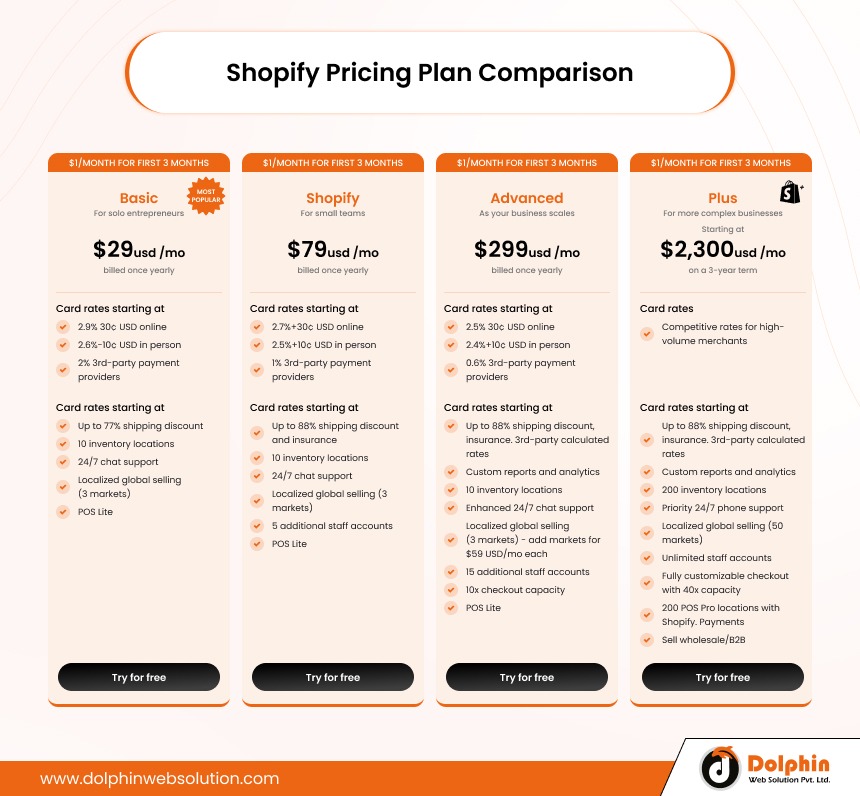
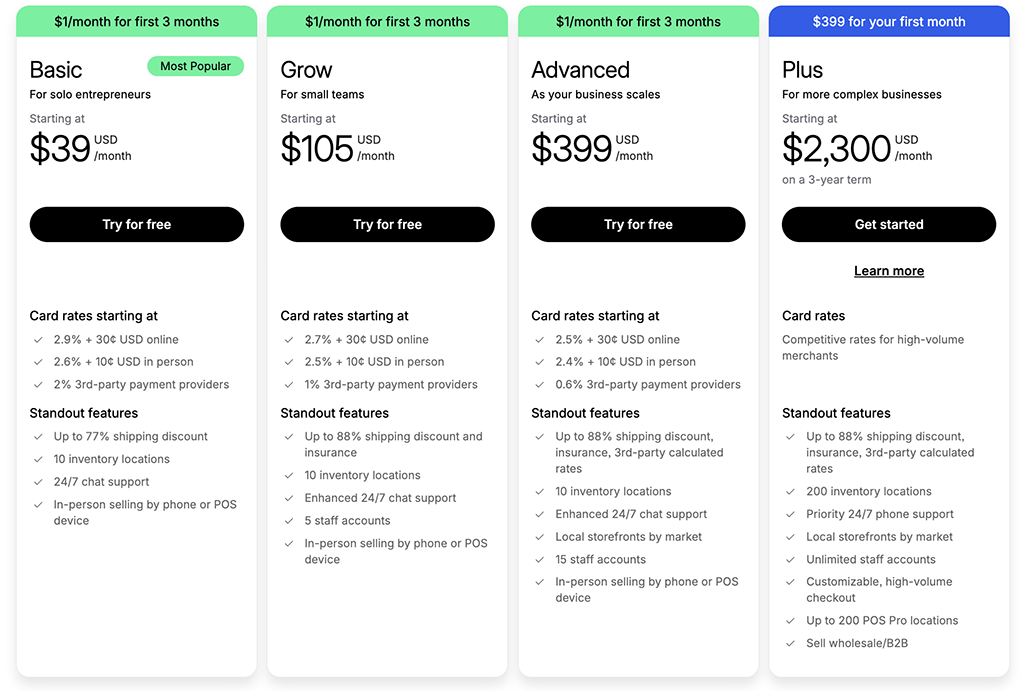
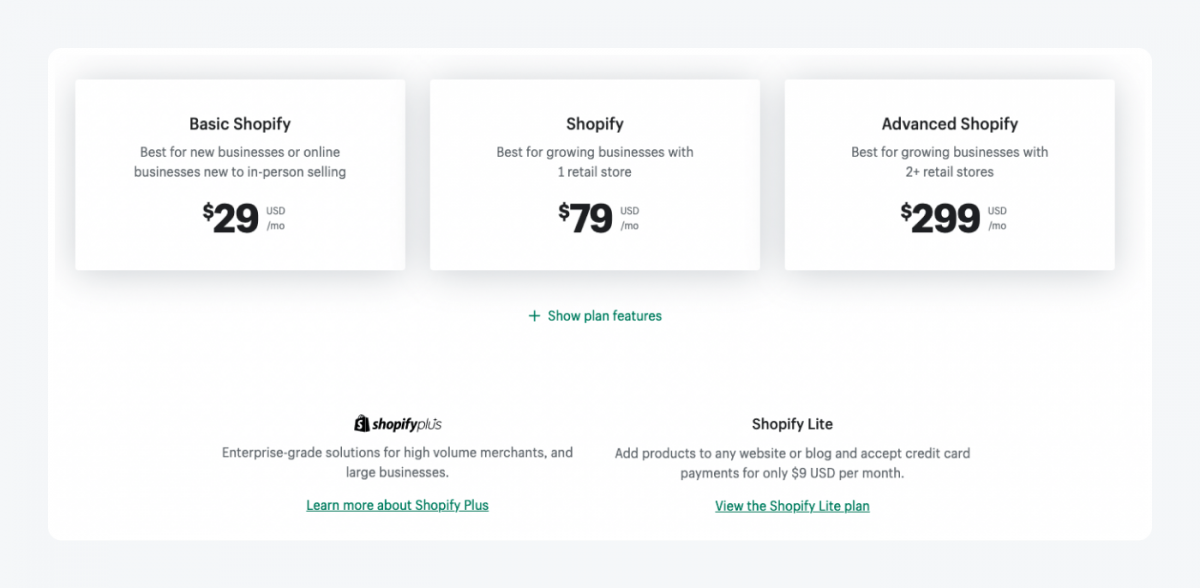
| Shopify | Subscription-based plans (Basic, Shopify, Advanced, Plus) | Monthly fees from about S$29 to S$3,097 for enterprise; transaction fees 3% + S$0.5 per card transaction (if not using Shopify Payments) | Scalable from small to enterprise; includes POS system; uses proprietary Liquid language for customization |
| Wix | Freemium model with paid tiers for ecommerce | Free plan (no payment processing); paid plans from S$29 to S$159/month for ecommerce features | User-friendly drag-and-drop builder; limited ecommerce focus; relies on third-party payment gateways which may add fees |
| Squarespace | Subscription plans for Business and Commerce | Pricing ranges from S$30 to S$97/month | Good for design-focused stores; includes ecommerce features but less scalable for large enterprises |
Pricing Models Explained
- Subscription-based pricing is common, where merchants pay a fixed monthly fee for access to the platform and its features.
- Some platforms add transaction fees on top of subscription fees, especially if merchants use external payment gateways.
- Hybrid models may combine subscription with usage-based fees or add-ons for advanced features.
Cost Analysis Considerations
- Monthly fees vary widely depending on the plan and scale of the business.
- Transaction fees can significantly impact profitability, especially for high-volume stores.
- Additional costs may include:
- Payment gateway fees (if not using native payment solutions)
- Custom development or design costs (e.g., Shopify’s Liquid language may require developer expertise)
- Marketing and app/plugin subscriptions
- For enterprise-level needs, platforms like Shopify Plus offer custom pricing with higher fees but more scalability and support.
Pricing Strategy vs. Pricing Model
- A pricing strategy is how a merchant sets product prices to meet goals like profit or market share.
- A pricing model is how the platform packages and charges for its service (e.g., subscription, freemium, usage-based).
Best Practices for Choosing a Pricing Model
- Keep pricing simple and transparent to avoid customer confusion.
- Consider hybrid models if you have diverse product lines or customer segments.
- Regularly review and test pricing models to optimize revenue.
In summary, leading online store platforms mostly use subscription-based pricing with tiered plans reflecting features and scale, often supplemented by transaction fees. Costs can range from modest monthly fees for small businesses to thousands per month for enterprise solutions. Merchants should consider both fixed and variable costs, platform capabilities, and their own pricing strategies to select the best platform and plan.













WebSeoSG offers the highest quality website traffic services in Singapore. We provide a variety of traffic services for our clients, including website traffic, desktop traffic, mobile traffic, Google traffic, search traffic, eCommerce traffic, YouTube traffic, and TikTok traffic. Our website boasts a 100% customer satisfaction rate, so you can confidently purchase large amounts of SEO traffic online. For just 40 SGD per month, you can immediately increase website traffic, improve SEO performance, and boost sales!
Having trouble choosing a traffic package? Contact us, and our staff will assist you.
Free consultation