

Emerging trends in AI search ranking tracking for 2025–2026 focus on integrating traditional SEO with AI-driven visibility metrics across multiple AI-powered search platforms, emphasizing automation, real-time data, and new performance signals beyond clicks.
Key trends include:
-
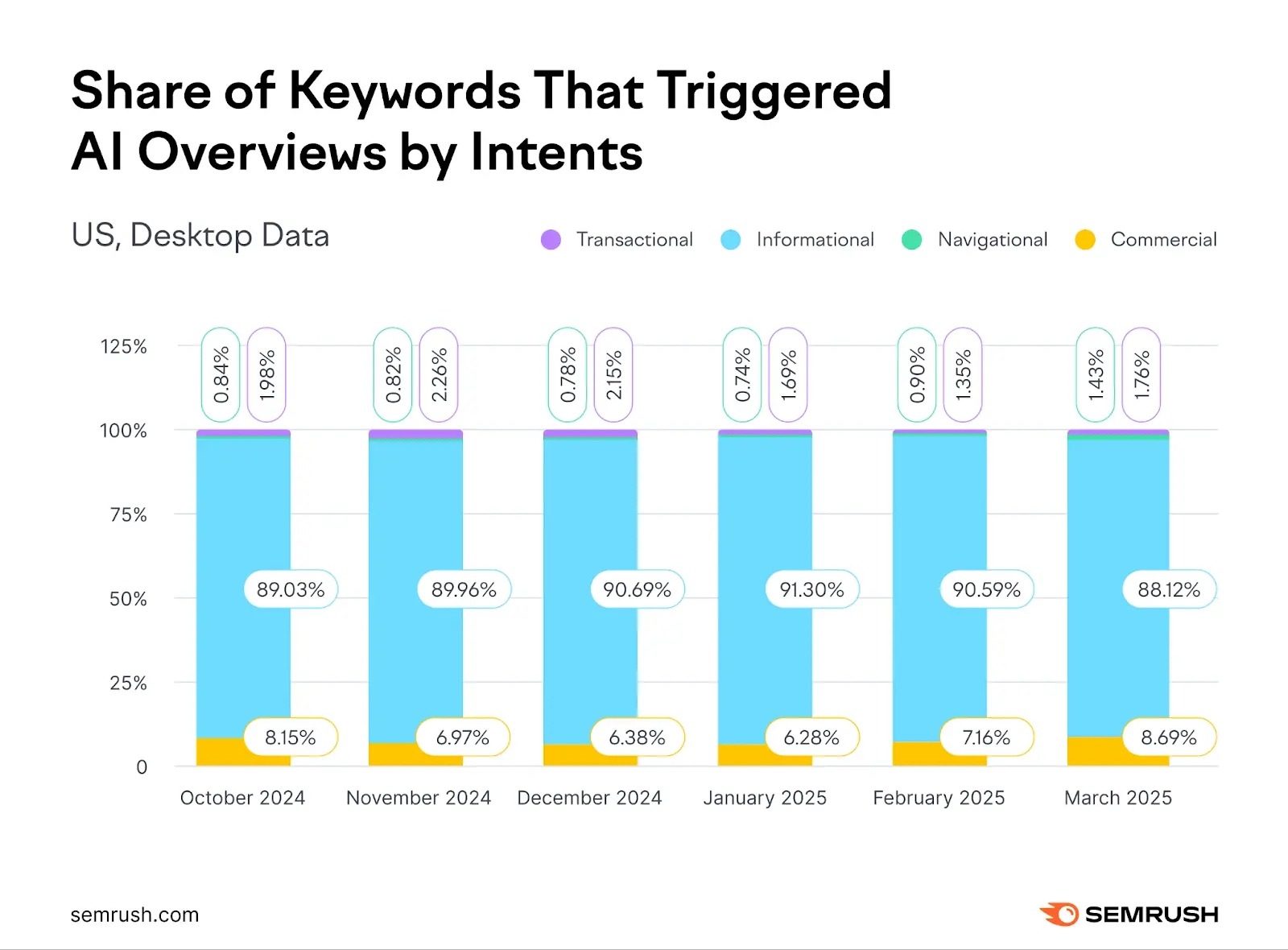
Tracking visibility across AI-generated answers and traditional blue links: Modern rank tracking must monitor not only classic organic rankings but also AI Overviews, answer engines, and social search surfaces where AI summaries appear. This dual tracking is essential because AI Overviews reduce click-through rates (CTR) on traditional links significantly (e.g., CTR dropping from 15% to 8%).
-
Automation and scale: AI rank tracking systems increasingly automate cross-engine monitoring, citation extraction with domain/entity mapping, volatility alerts, and integration with content operations to prioritize updates and new content creation. This automation enables scaling to more queries, geographies, and engines without losing signal quality or speed.
-
New metrics beyond traditional SEO: Since AI search engines heavily favour recent content and user engagement with AI interfaces influences visibility, tracking must include citation frequency in AI responses, brand mentions in AI summaries, and user satisfaction with AI-provided answers. Traditional metrics like backlinks and traffic have limited influence on AI search visibility.
-
Use of specialized AI search visibility tools: Tools from providers like Semrush, Ahrefs, Profound, BrightEdge, and emerging AI-specific platforms help track AI search rankings by monitoring AI Overviews, citation shares, and brand characterizations across ChatGPT, Google AI Overviews, Perplexity, Microsoft Copilot, and others.
-
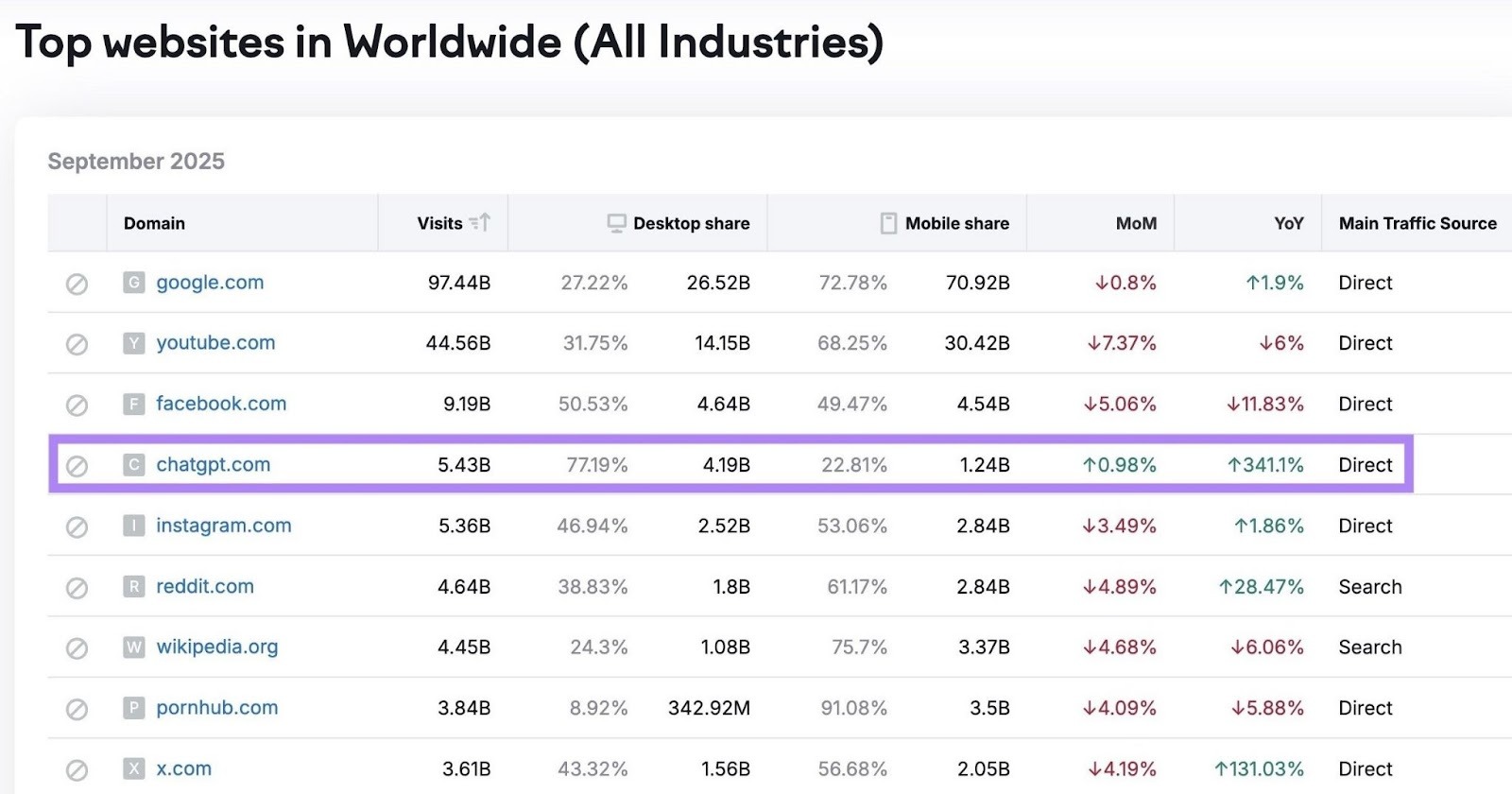
Integration with analytics platforms: Setting up custom tracking in Google Analytics 4 (GA4) or similar tools to measure referral traffic from AI platforms and segment “Generative AI” channels is becoming standard practice to quantify the impact of AI search visibility on site traffic and conversions.
-
Retrieval-Augmented Generation (RAG): This technique, where large language models (LLMs) pull in real-time data before generating answers, improves answer accuracy and source citation, influencing how rank tracking must account for dynamic, up-to-date content references.
-
Personalisation and structured data: AI search increasingly delivers personalised results based on user behaviour and intent, making structured data (schema markup) and technical SEO automation critical for ensuring content is indexed and surfaced in AI responses.
-
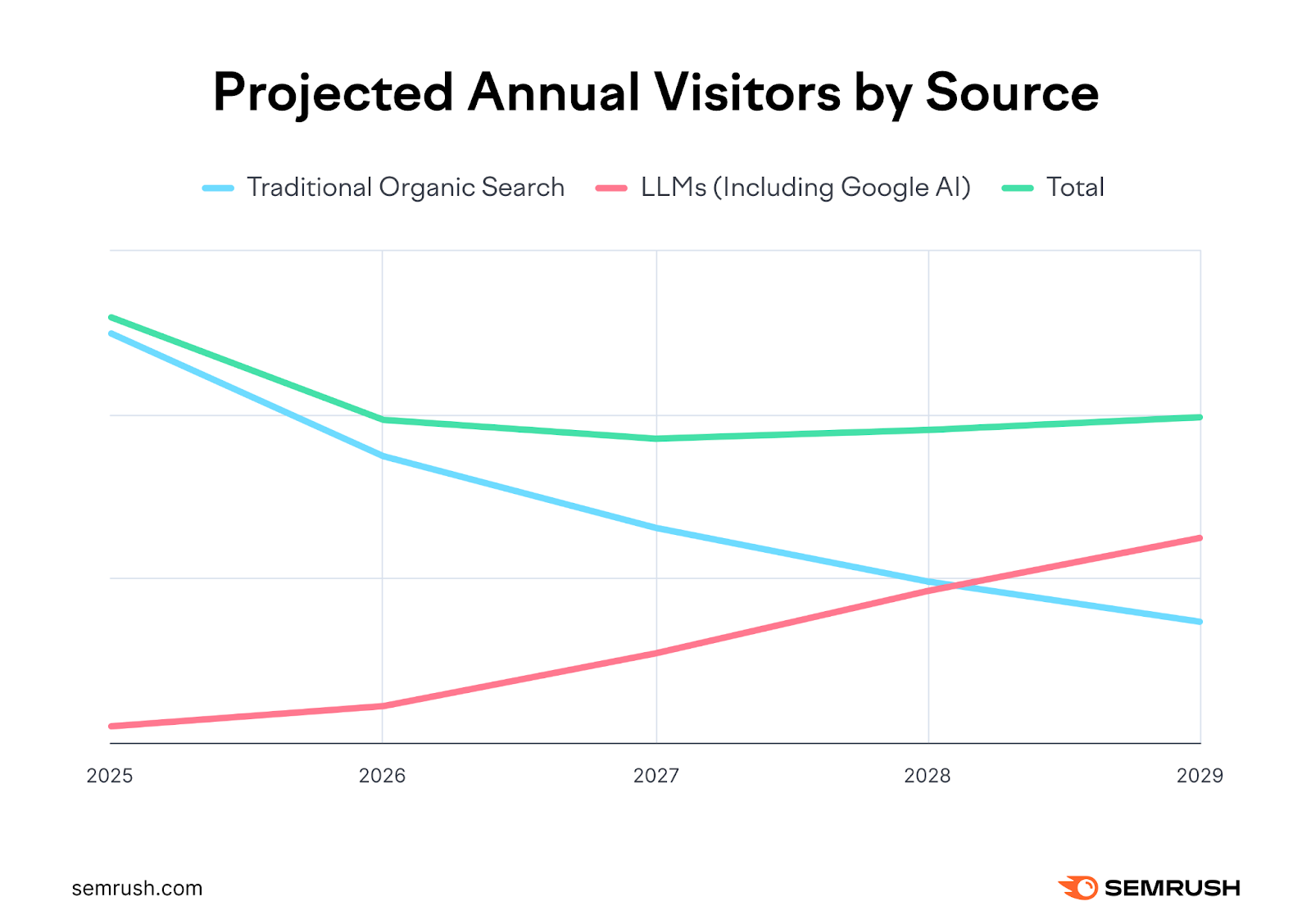
Shift in search behaviour and business impact: Organic traffic from traditional search is declining as AI agents become new buyers, and pay-to-play AI visibility models are emerging, requiring marketers to adapt rank tracking and optimisation strategies accordingly.
In summary, AI search ranking tracking in 2025–2026 requires a hybrid approach that combines traditional SEO metrics with AI-specific signals such as AI answer citations, brand mentions, and real-time content freshness, supported by automation and specialised tools to maintain visibility in an AI-first search landscape.





WebSeoSG offers the highest quality website traffic services in Singapore. We provide a variety of traffic services for our clients, including website traffic, desktop traffic, mobile traffic, Google traffic, search traffic, eCommerce traffic, YouTube traffic, and TikTok traffic. Our website boasts a 100% customer satisfaction rate, so you can confidently purchase large amounts of SEO traffic online. For just 40 SGD per month, you can immediately increase website traffic, improve SEO performance, and boost sales!
Having trouble choosing a traffic package? Contact us, and our staff will assist you.
Free consultation