

Iterative Testing Frameworks for Continuous Traffic Improvement
Iterative testing frameworks provide a structured approach to continuously improve website and application performance through repeated cycles of testing, analysis, and refinement. These frameworks transform large-scale initiatives into manageable experiments that drive steady progress and data-driven decision-making.
Core Principles of Iterative Testing
Iterative testing operates on several foundational principles that make it effective for traffic improvement:
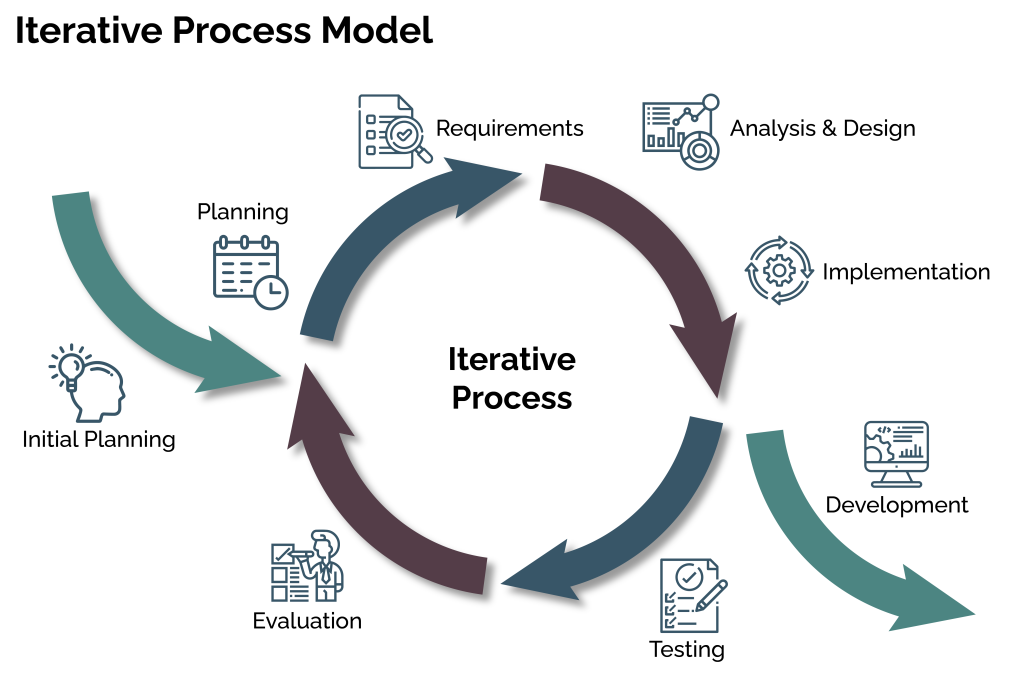
Frequent feedback loops ensure continuous validation that progress aligns with goals. Small, incremental changes reduce risk by testing manageable adjustments rather than major overhauls. User-driven focus ensures that solutions address real user needs rather than assumptions. This approach prioritizes continuous improvement through cycles of planning, testing, and refining, which has become particularly prominent in software development and product management.
The iterative nature of testing means that results from one cycle directly inform the next, creating a dynamic feedback loop where insights from testing inform subsequent development cycles. This prevents testing from becoming static and allows teams to tackle new challenges as their systems become more sophisticated.
Key Testing Methodologies
Performance Testing Approaches
For traffic-related improvements, several specialized testing methods help optimize system performance:
Throttle Testing simulates slower network connections to analyze user response times under different conditions. Peak Testing evaluates how systems respond to sudden user load spikes alongside regular usage. Spike Testing focuses on the system's response to sudden and extreme increases and decreases in load. Scalability Testing examines how systems scale by adding resources like servers or CPU to prevent performance issues.
A/B and Multivariate Testing
Iterative testing offers a more dynamic approach compared to traditional A/B testing. While A/B testing evaluates variations simultaneously, iterative testing unfolds in stages, allowing for changes based on results before moving to the next phase. This staged approach enables teams to learn from each experiment—whether successful or unsuccessful—and apply those learnings to subsequent iterations.
Implementation Framework
Structured Phases
The iterative testing process follows distinct phases that create a continuous improvement cycle:
Teams begin by defining goals and requirements for each iteration based on feedback from previous cycles and new requirements. Next, they design and implement the next iteration through a combination of design, coding, and testing activities. The testing and evaluation phase provides crucial insights that inform future iterations, with teams choosing appropriate testing strategies based on their specific needs.
Following analysis, teams iterate based on findings by applying successful changes to broader audiences and using feedback to design the next test. Results and learnings are documented for future reference.
Starting Small and Scaling
An effective approach involves beginning with a baseline test using a reduced number of users, then incrementally increasing the load while resolving issues along the way. This prevents overwhelming systems and allows teams to identify problems at manageable scales before they affect larger user bases.
Benefits for Traffic Improvement
Speeds up time-to-market by focusing on incremental improvements, allowing teams to release functional versions faster and gather real-world insights earlier. Improved quality emerges from testing products in multiple stages, enabling early identification and fixing of issues before they compound into costly rework.
Fosters team collaboration and agility by naturally fitting into collaborative frameworks like Agile and Scrum, encouraging teams to adapt quickly based on new findings. Flexibility allows teams to adapt to changing requirements or market conditions more easily than traditional linear development methods.
Measurement and Prioritization
Successful iterative testing requires measurable experiments that capture hypothesis, tasks, accountable owners, and specific metrics like average cycle time, completion percentage, SLA compliance, and error rates. Teams can use frameworks like ICE (Impact, Confidence, Ease) scores or RICE (Reach, Impact, Confidence, Effort) methods to systematically prioritize improvements.
Once a winning variation is identified, teams should allocate 100% traffic to the winning variation by pausing the experiment, duplicating it, and resetting traffic allocation to maximize the benefits of successful changes.
Continuous Integration and Adaptation
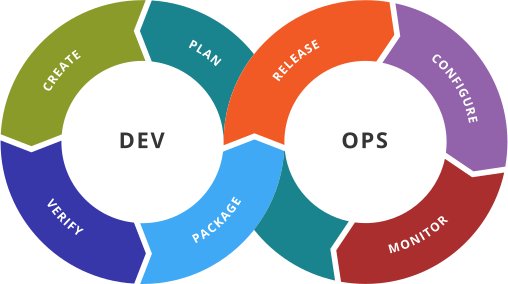
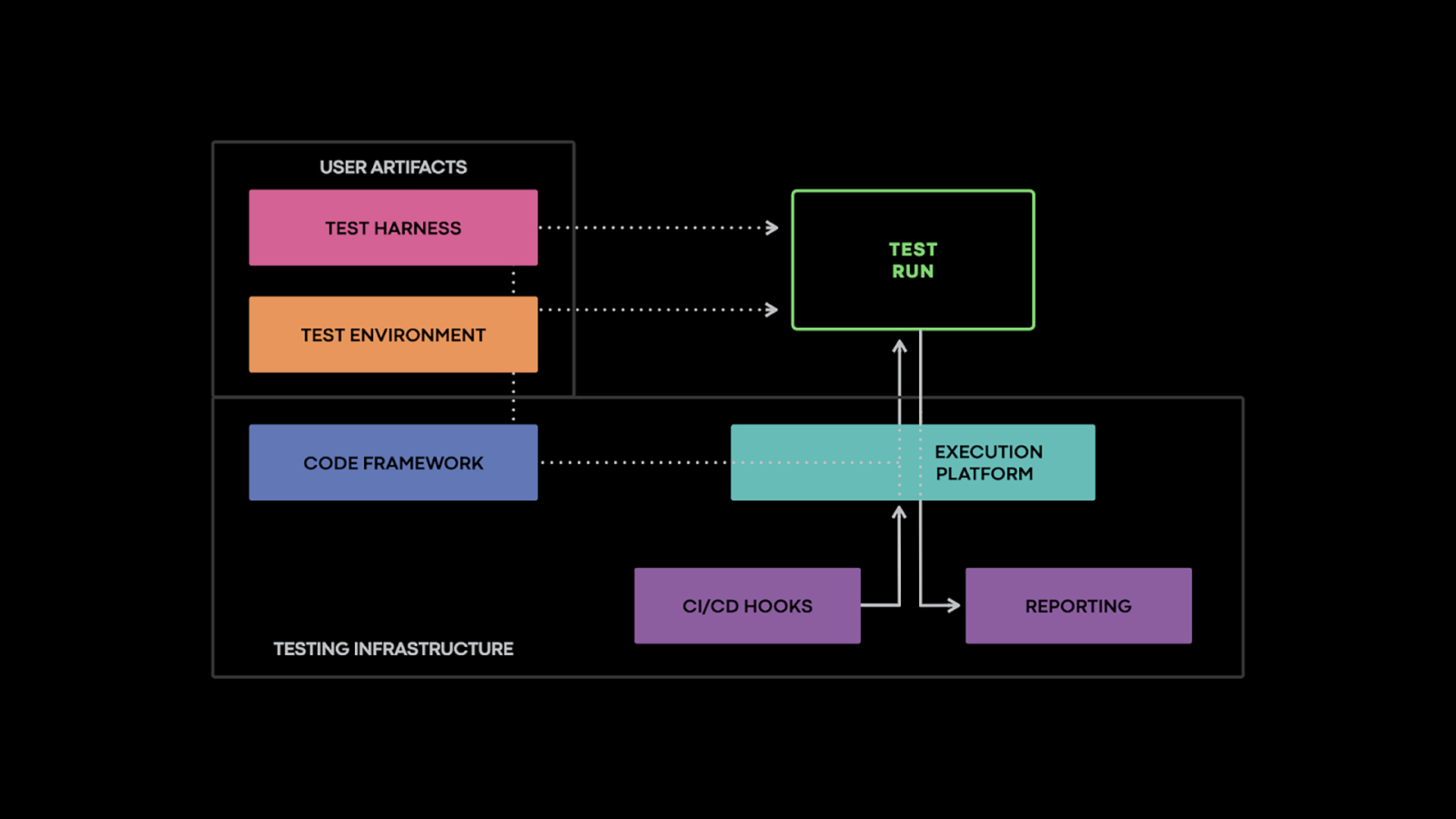
Continuous performance testing is an iterative process where results from initial tests set the baseline for future testing. This ongoing cycle ensures that decisions are based on data rather than assumptions, resulting in features and designs proven to work in real-world conditions. Each round of testing, evaluation, and review feeds into the next iteration, creating a cycle that keeps products aligned with user needs and market demands.














WebSeoSG offers the highest quality website traffic services in Singapore. We provide a variety of traffic services for our clients, including website traffic, desktop traffic, mobile traffic, Google traffic, search traffic, eCommerce traffic, YouTube traffic, and TikTok traffic. Our website boasts a 100% customer satisfaction rate, so you can confidently purchase large amounts of SEO traffic online. For just 40 SGD per month, you can immediately increase website traffic, improve SEO performance, and boost sales!
Having trouble choosing a traffic package? Contact us, and our staff will assist you.
Free consultation