

Hypothesis-Driven Ad Experimentation
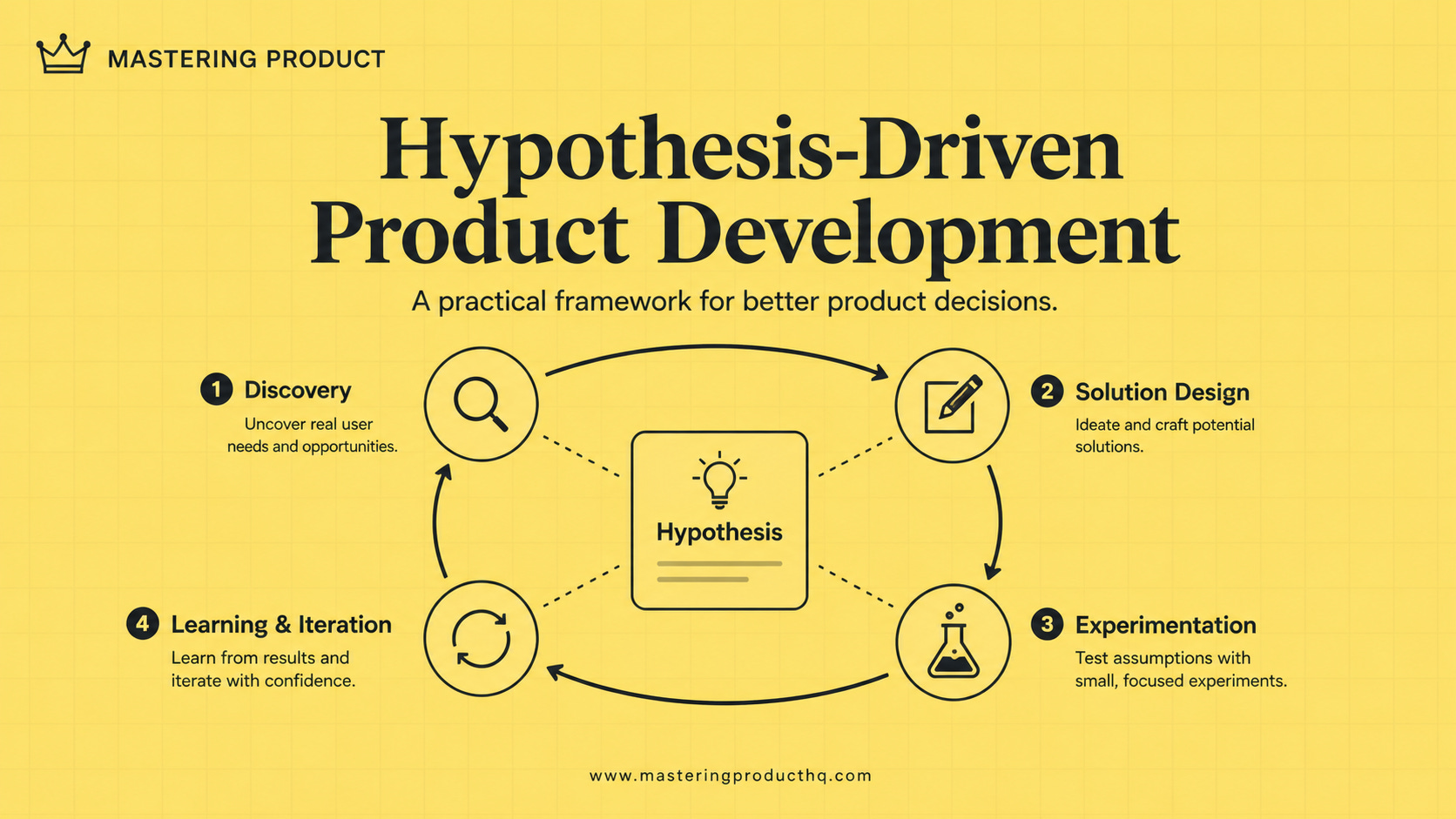
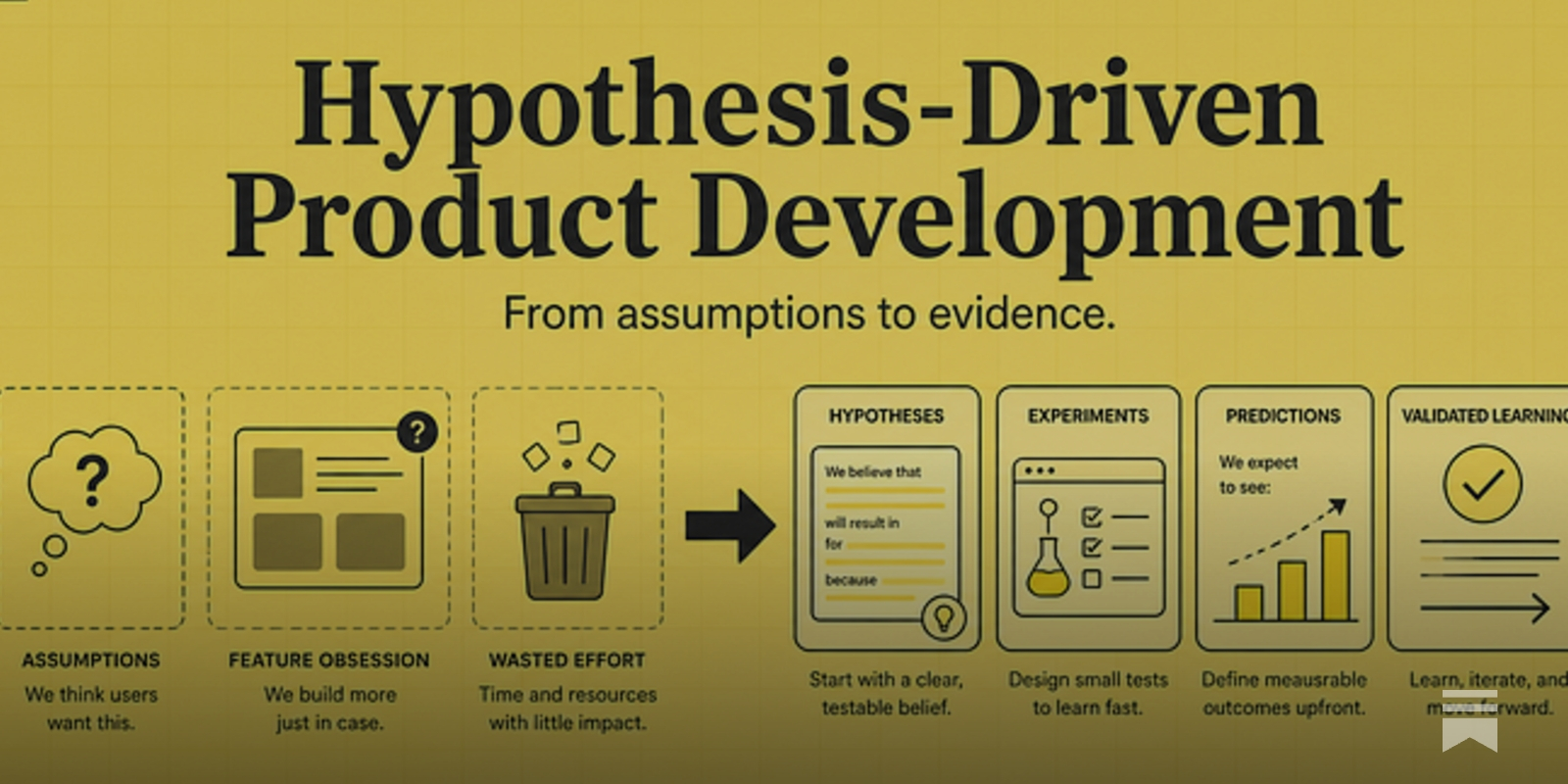
Hypothesis-driven ad experimentation is a structured way to improve ads using data, not guesswork. Instead of changing ad creative based on opinion, you start with a clear, testable hypothesis, run an experiment, and use the results to decide what to keep, change, or stop.
Core idea
A good hypothesis is:
- Specific
- Testable
- Falsifiable
- Based on prior insight or data
Example:
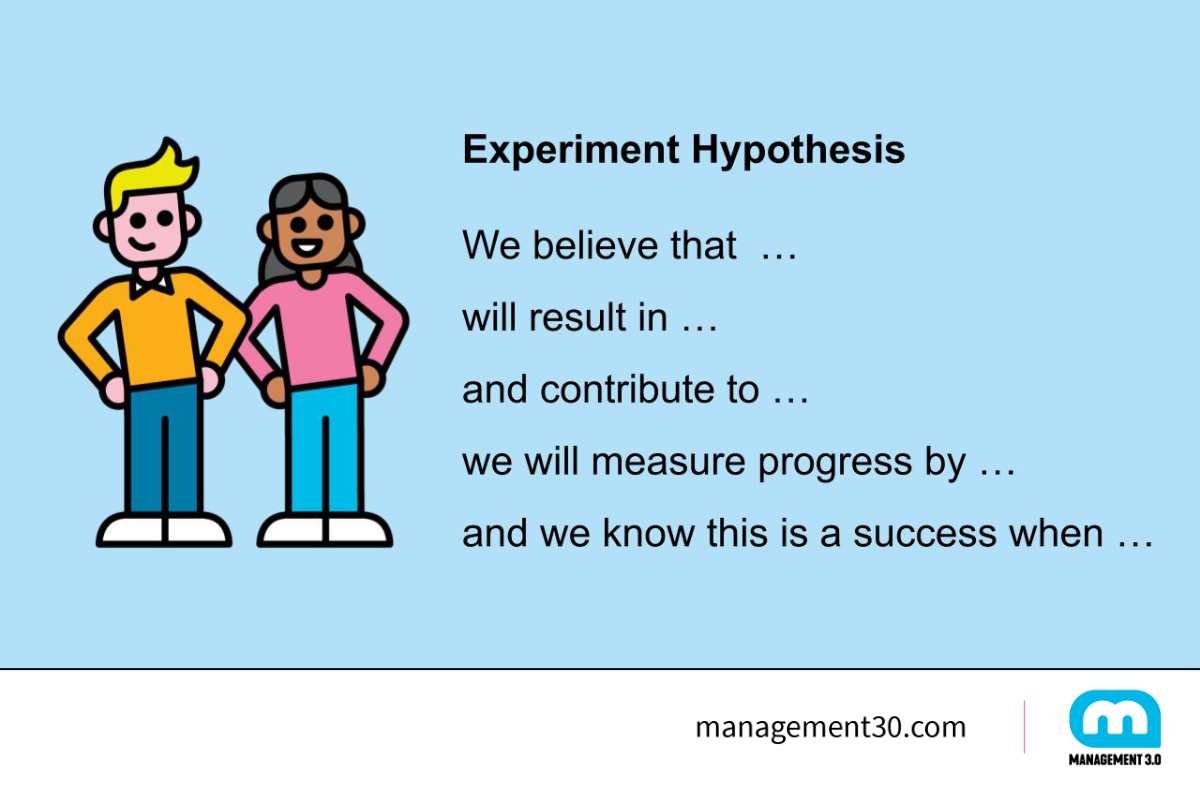
If we change the ad headline to focus on the main customer benefit, then click-through rate will increase, because the message will be clearer and more relevant.
Typical process
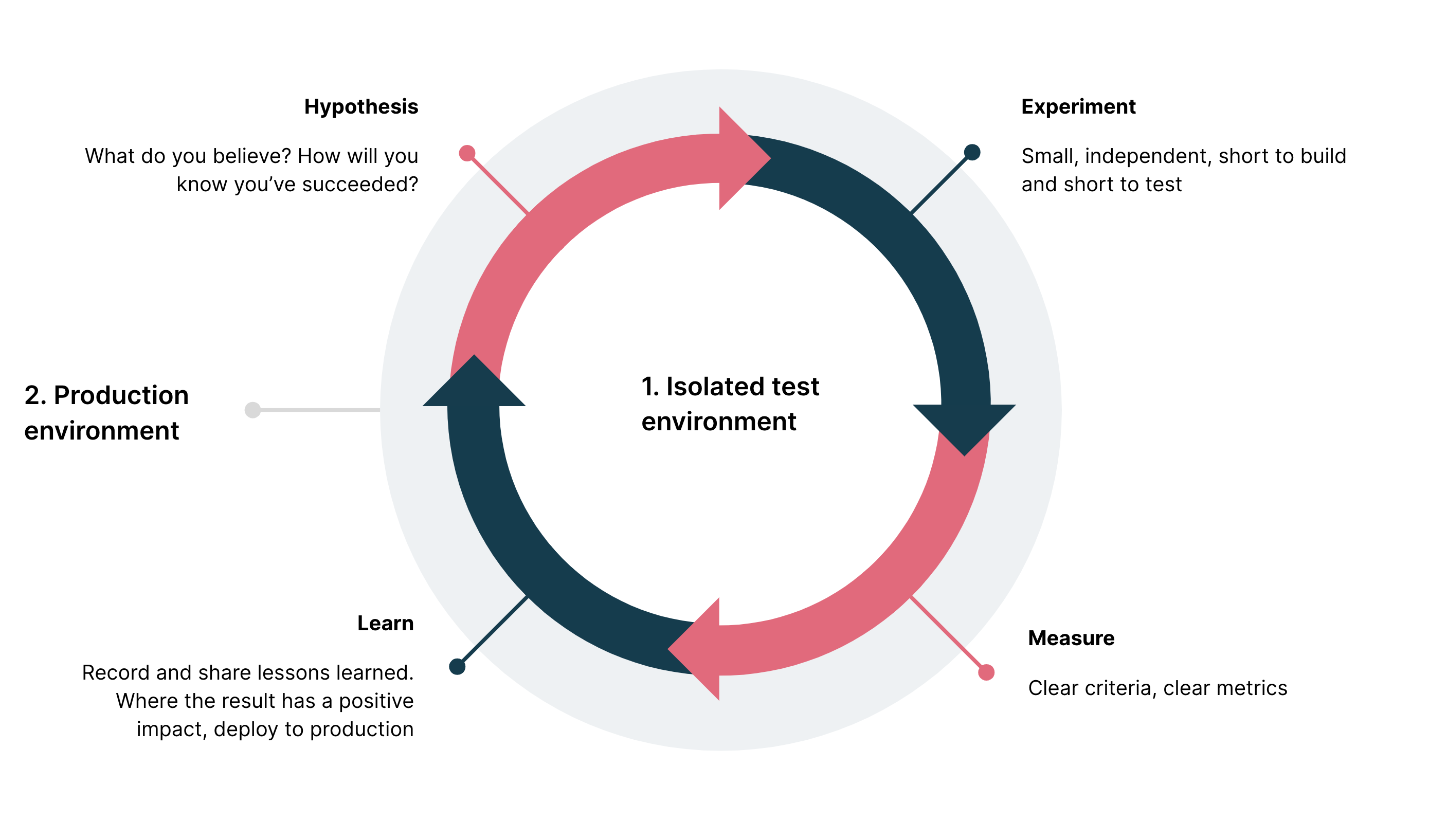
1. Observe
Look at existing data, such as:
- CTR
- Conversion rate
- Cost per acquisition
- Audience behaviour
- Previous campaign results
2. Form a hypothesis
State what you think will happen and why.
Example:
If we use a shorter CTA button text, then conversion rate will improve because the action will feel simpler.
3. Design the experiment
Decide:
- What will be changed
- What stays the same
- Which audience sees each version
- What success metric will be used
Common formats include:
- A/B testing
- A/B/n testing
- Multivariate testing
4. Run the test
Show different ad versions to similar audiences under controlled conditions.
5. Measure results
Compare outcomes using the chosen metric, such as:
- CTR
- CVR
- ROAS
- CPA
- Engagement rate
6. Learn and iterate
Use the findings to:
- Scale the winning variant
- Refine the hypothesis
- Run a new experiment
Benefits
Hypothesis-driven experimentation helps teams:
- Reduce reliance on gut feel
- Learn faster
- Make better creative decisions
- Improve performance systematically
- Build a data-driven culture
Simple ad example
Hypothesis:
If we use a product image with a human model instead of a plain product shot, then conversions will increase because the ad will feel more relatable.
Test:
Run two ads with the same audience, budget, and placement.
- Ad A: plain product image
- Ad B: human model image
Measure:
Conversion rate
Decision:
Keep the better-performing version or test a new variation based on the result.
Good practices
- Change one main variable at a time when possible
- Define success metrics before launching
- Use enough sample size for reliable results
- Keep a clear record of assumptions and outcomes
- Treat every test as a learning step, even if it loses
If you want, I can also help you with one of these:
- a hypothesis template for ad testing
- sample ad experiment ideas
- a step-by-step A/B test framework
- examples for Meta Ads, Google Ads, or display ads














WebSeoSG offers the highest quality website traffic services in Singapore. We provide a variety of traffic services for our clients, including website traffic, desktop traffic, mobile traffic, Google traffic, search traffic, eCommerce traffic, YouTube traffic, and TikTok traffic. Our website boasts a 100% customer satisfaction rate, so you can confidently purchase large amounts of SEO traffic online. For just 40 SGD per month, you can immediately increase website traffic, improve SEO performance, and boost sales!
Having trouble choosing a traffic package? Contact us, and our staff will assist you.
Free consultation