

Data analytics plays a crucial role in traffic optimization—whether for website traffic or urban/road traffic—by providing actionable insights through the measurement and analysis of key performance metrics. Here’s a comprehensive overview of how data analytics and performance metrics are used to optimize traffic in both digital and physical environments.
Website Traffic Optimization
Key Performance Metrics
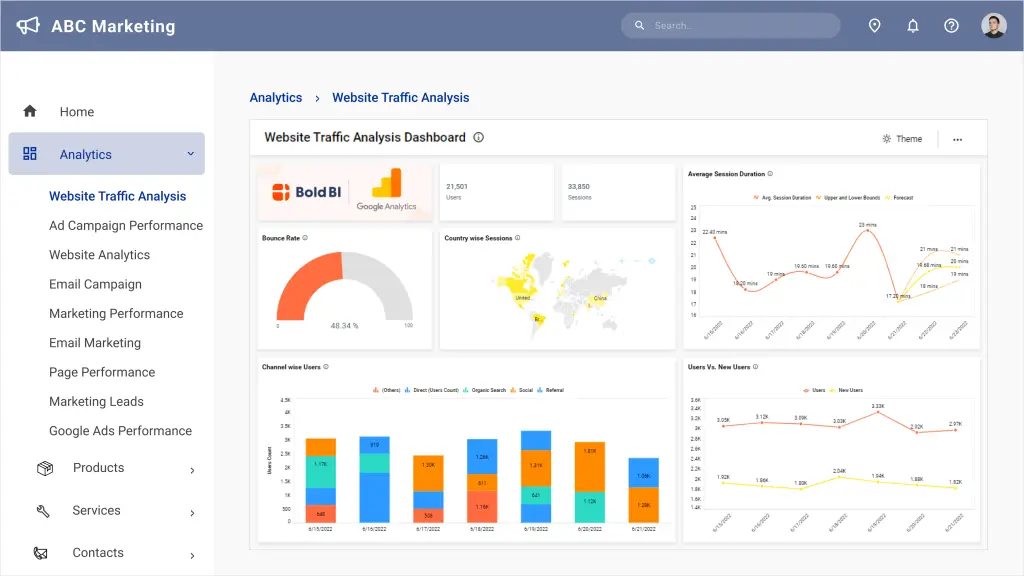
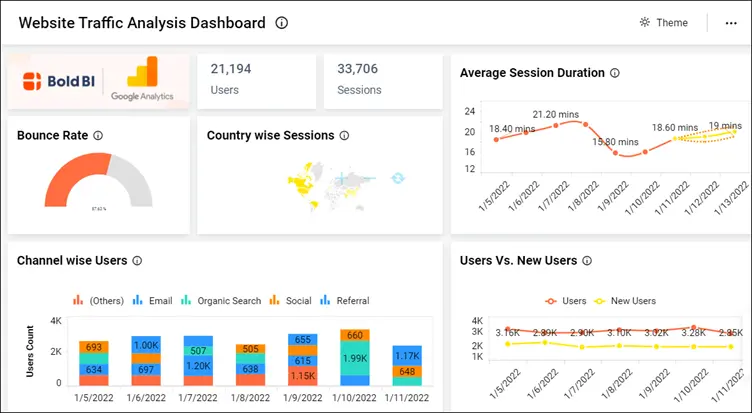
- Users/Sessions: Measures unique visitors and total visits, helping track overall traffic volume.
- Bounce Rate: Percentage of visitors who leave after viewing only one page. High bounce rates may indicate poor content or user experience.
- Conversion Rate: Percentage of visitors who complete a desired action (e.g., purchase, sign-up).
- Traffic Sources: Identifies where visitors come from (organic, paid, social, referral).
- Page Load Time: Faster load times improve user experience and reduce bounce rates.
- Session Duration & Page Views: Indicates engagement and content effectiveness.
- Exit Rate: Shows which pages users leave from, highlighting potential friction points.
- Behavior Flow: Visualizes user journeys through the site, revealing drop-off points.
Analytics Tools
- Google Analytics (GA4): Tracks users, sessions, conversions, and traffic sources.
- Contentsquare, Leadfeeder: Offer advanced dashboards for segmentation and acquisition analysis.
- PageSpeed Insights: Measures and recommends improvements for site speed.
Data-Driven Strategies
- SEO Optimization: Use keyword and traffic source data to improve content visibility.
- Content Quality: Analyze which content types and topics drive the most engagement and conversions.
- A/B Testing: Test changes based on hypotheses derived from analytics to optimize user experience.
- Predictive Modeling: Forecast traffic trends and conversion rates to inform marketing and content strategies.
Urban/Road Traffic Optimization
Key Performance Metrics
- Travel Time: Measures average time taken to traverse a route.
- Congestion Levels: Identifies bottlenecks and peak congestion periods.
- Signal Timing Efficiency: Assesses how well traffic signals are synchronized.
- Queue Length & Occupancy: Tracks vehicle buildup at intersections.
- Throughput: Number of vehicles passing through a point in a given time.
- Incident Detection Rate: Speed and accuracy of identifying accidents or disruptions.
- Emissions & Fuel Consumption: Monitors environmental impact of traffic flow.
Analytics Tools & Technologies
- Smart Sensors & Cameras: Collect real-time traffic data.
- AI & Edge Processing: Enable real-time decision-making and adaptive signal control.
- Traffic Data Platforms: Aggregate and analyze data from multiple sources (e.g., Miovision, Econolite, INRIX).
- Predictive Analytics: Forecast traffic patterns and optimize signal timing or routing.
Data-Driven Strategies
- Adaptive Signal Control: Dynamically adjust traffic signals based on real-time conditions to reduce delays.
- Public Transport Optimization: Adjust schedules and routes based on ridership and traffic data.
- Incident Detection & Response: Quickly identify and respond to accidents or road closures.
- Infrastructure Planning: Use historical and predictive data to guide road expansions, signal upgrades, and alternative transport modes.
- Environmental Impact Reduction: Optimize traffic flow to minimize idling, emissions, and fuel consumption.
Benefits of Data Analytics in Traffic Optimization
- Improved Efficiency: Reduces travel time, congestion, and operational costs.
- Enhanced Safety: Identifies high-risk areas and enables proactive interventions.
- Better User Experience: For websites, improves engagement and conversions; for urban traffic, reduces commute times and frustration.
- Cost Savings: Optimizes infrastructure investments and maintenance planning.
- Environmental Gains: Lowers emissions and fuel use through smoother traffic flow.
Best Practices
- Regular Monitoring: Continuously track key metrics to identify trends and issues.
- Segmentation: Analyze data by source, time, location, or user type for deeper insights.
- Hypothesis-Driven Testing: Make changes based on data-driven hypotheses and measure results.
- Predictive Modeling: Use historical data to forecast future performance and plan accordingly.
- Compliance: Ensure data collection and analysis comply with privacy regulations (e.g., GDPR).
By leveraging data analytics and focusing on the right performance metrics, organizations can significantly improve both digital and physical traffic flow, leading to better outcomes for users, businesses, and communities.













WebSeoSG offers the highest quality website traffic services in Singapore. We provide a variety of traffic services for our clients, including website traffic, desktop traffic, mobile traffic, Google traffic, search traffic, eCommerce traffic, YouTube traffic, and TikTok traffic. Our website boasts a 100% customer satisfaction rate, so you can confidently purchase large amounts of SEO traffic online. For just 40 SGD per month, you can immediately increase website traffic, improve SEO performance, and boost sales!
Having trouble choosing a traffic package? Contact us, and our staff will assist you.
Free consultation