

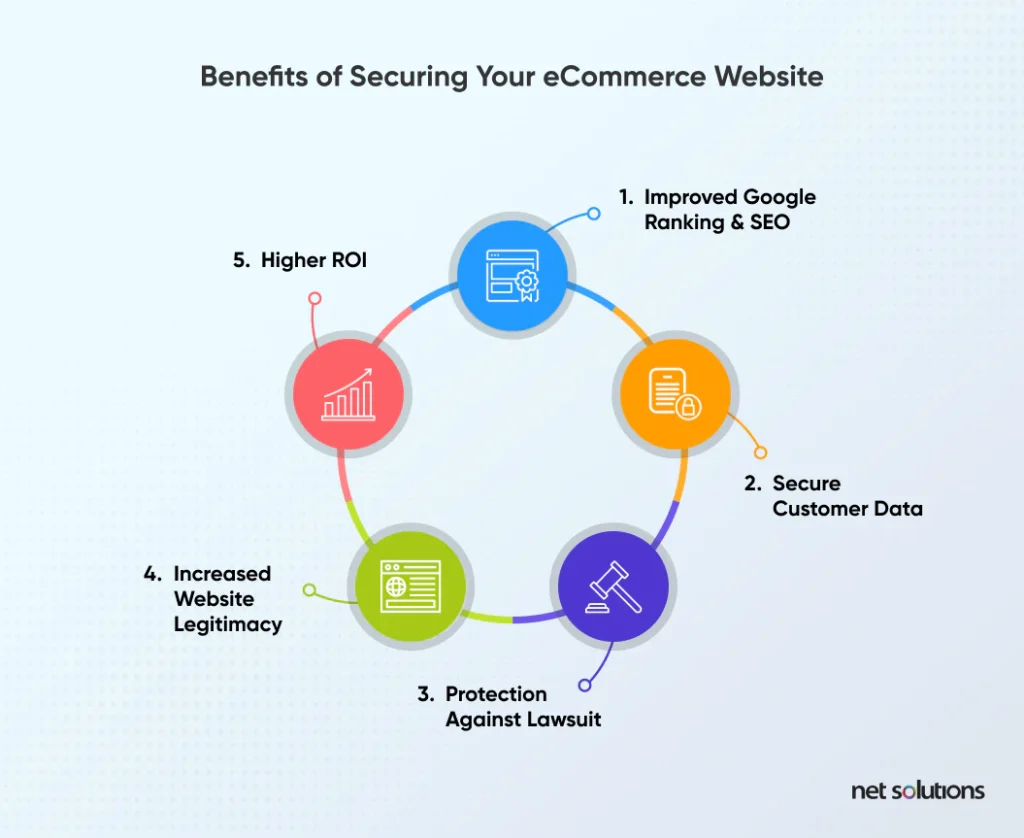
Security and maintenance responsibilities across different e-commerce platforms typically involve a combination of tasks shared between the platform provider, the merchant (store owner), and sometimes third-party service providers. These responsibilities can be broadly categorized as follows:
| Responsibility Area | Platform Provider Responsibilities | Merchant/Store Owner Responsibilities |
|---|---|---|
| Software Updates & Patches | Provide regular core software updates and security patches to fix vulnerabilities and improve functionality. | Ensure timely installation of updates and patches on their store, including plugins and themes, to prevent exploitation of known flaws. |
| Data Security & Compliance | Maintain infrastructure security and comply with data protection laws (e.g., PDPA) when processing personal data on behalf of merchants. | Ensure compliance with data protection regulations, manage customer data responsibly, and include clear contractual terms with data intermediaries if applicable. |
| User Authentication | Offer built-in security features such as Multi-Factor Authentication (MFA) or support integration with MFA tools to strengthen login security. | Activate and enforce strong authentication methods like MFA for admin and user accounts to reduce risks of unauthorized access. |
| Vulnerability Management | Conduct platform-wide vulnerability assessments and provide tools or guidelines for merchants to identify security gaps. | Perform regular vulnerability scans and IT audits on their own store to proactively address security weaknesses. |
| Firewall & Network Security | Implement network-level protections such as firewalls and DDoS mitigation to protect the platform infrastructure. | May need to configure additional security layers or plugins on their store depending on platform capabilities. |
| Backup & Recovery | Provide automated backup services for the platform and merchant stores, ensuring data can be restored after incidents. | Schedule and maintain regular backups of store data and files independently as a precaution against data loss. |
| Security Awareness & Training | May offer security guidelines and resources for merchants. | Conduct employee training on cybersecurity best practices to reduce human error vulnerabilities. |
| Transaction Safety & Anti-Scam Measures | Implement marketplace-level anti-scam features and safety ratings to protect consumers and sellers. | Follow recommended safety practices and use platform tools to minimize fraud risks in transactions. |
Key points:
-
Platform providers handle the underlying infrastructure, core software security, and compliance with data protection laws when acting as data intermediaries.
-
Merchants are responsible for maintaining their specific store’s security by applying updates, managing user authentication, conducting vulnerability assessments, and backing up data regularly.
-
Multi-Factor Authentication (MFA) is a critical security measure that both platforms and merchants should implement to block over 99% of cyber threats related to login credentials.
-
Regular security training for employees is essential to mitigate risks from human error, which is a common vulnerability in e-commerce security.
-
National or regional standards and guidelines (such as revised technical references on e-commerce transactions) may impose additional responsibilities on both platforms and merchants to enhance transaction safety and consumer protection.
This division of responsibilities ensures a layered security approach where the platform secures the environment and infrastructure, while merchants secure their individual stores and data handling practices.










WebSeoSG offers the highest quality website traffic services in Singapore. We provide a variety of traffic services for our clients, including website traffic, desktop traffic, mobile traffic, Google traffic, search traffic, eCommerce traffic, YouTube traffic, and TikTok traffic. Our website boasts a 100% customer satisfaction rate, so you can confidently purchase large amounts of SEO traffic online. For just 40 SGD per month, you can immediately increase website traffic, improve SEO performance, and boost sales!
Having trouble choosing a traffic package? Contact us, and our staff will assist you.
Free consultation