

Measuring ROI in content marketing involves tracking specific performance metrics and calculating returns based on revenue generated relative to the total investment, which differs from traditional advertising primarily in attribution complexity and time horizon.
Key differences and approaches to measuring ROI:
-
Content Marketing ROI Measurement:
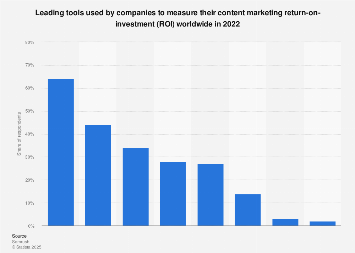
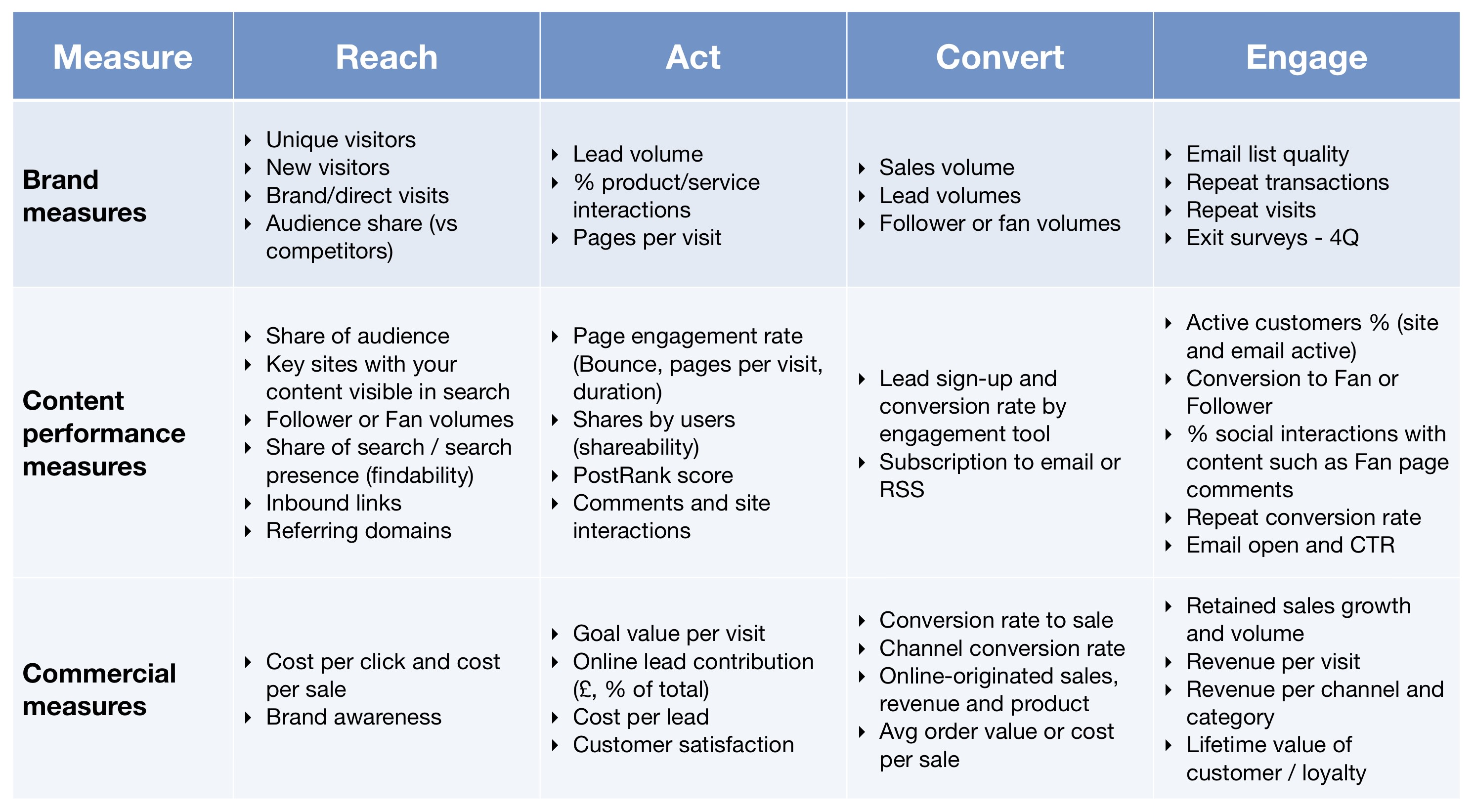
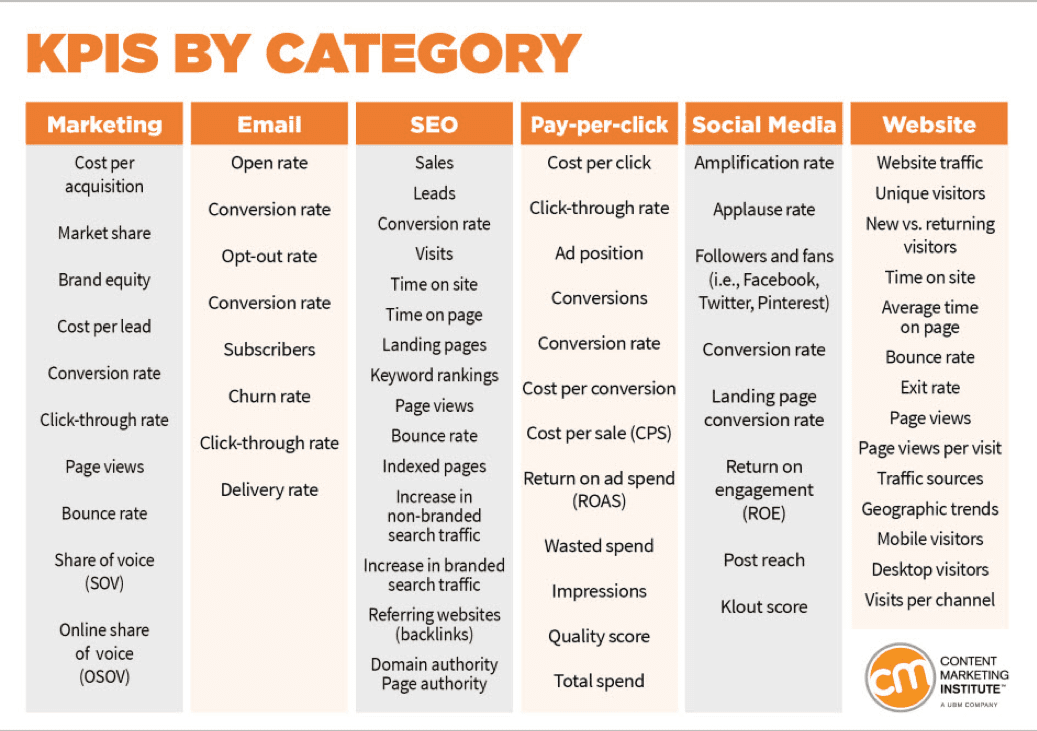
- Track metrics such as conversion rate, bounce rate, page views, leads, and sales attributed to content pieces using tools like Google Analytics, SEMRush, HubSpot, and Ahrefs.
- Calculate ROI using the formula:
[ ROI = \frac{\text{Net Profit}}{\text{Total Investment Cost}} \times 100 ] where Net Profit = Revenue generated from content minus content marketing spend. - Attribution can be complex, often requiring tracking of leads and conversions through UTMs, trackable links, and collaboration with sales teams to assign revenue accurately.
- ROI evaluation may include indirect benefits like backlinks, social shares, and brand authority, which traditional advertising metrics may not capture.
- Content marketing ROI is often a longer-term measure, as content builds organic traffic and authority over time, unlike traditional ads which typically yield immediate but short-lived results.
-
Traditional Advertising ROI Measurement:
- Usually more straightforward, focusing on direct response metrics such as immediate sales, click-through rates, and impressions.
- ROI is often calculated based on direct sales or leads generated from paid campaigns within a short timeframe.
- Attribution is typically last-click or last-touch, making it easier to assign revenue to specific ads.
Summary of measurement tools and methods:
| Aspect | Content Marketing | Traditional Advertising |
|---|---|---|
| Metrics | Conversion rate, page views, leads, backlinks, social shares | Impressions, clicks, immediate sales/leads |
| Tools | Google Analytics, SEMRush, HubSpot, Ahrefs | Ad platform analytics (Google Ads, Facebook Ads) |
| Attribution | Multi-touch, lead tracking, sales collaboration | Last-click or last-touch attribution |
| ROI Formula | (Revenue from content – Content spend) / Content spend × 100 | (Revenue from ads – Ad spend) / Ad spend × 100 |
| Time Horizon | Medium to long term (building organic traffic) | Short term (immediate campaign results) |
| Complexity | Higher due to indirect effects and multi-channel impact | Lower, more direct attribution |
In practice, measuring content marketing ROI requires setting clear goals, implementing robust analytics, and continuously analysing and adjusting strategies based on data insights. Traditional advertising ROI is more immediate but may not capture the full brand-building value that content marketing provides.
Thus, while both aim to quantify returns on marketing spend, content marketing ROI measurement is more nuanced, involving a broader set of metrics and longer-term impact assessment compared to traditional advertising.













WebSeoSG offers the highest quality website traffic services in Singapore. We provide a variety of traffic services for our clients, including website traffic, desktop traffic, mobile traffic, Google traffic, search traffic, eCommerce traffic, YouTube traffic, and TikTok traffic. Our website boasts a 100% customer satisfaction rate, so you can confidently purchase large amounts of SEO traffic online. For just 40 SGD per month, you can immediately increase website traffic, improve SEO performance, and boost sales!
Having trouble choosing a traffic package? Contact us, and our staff will assist you.
Free consultation