

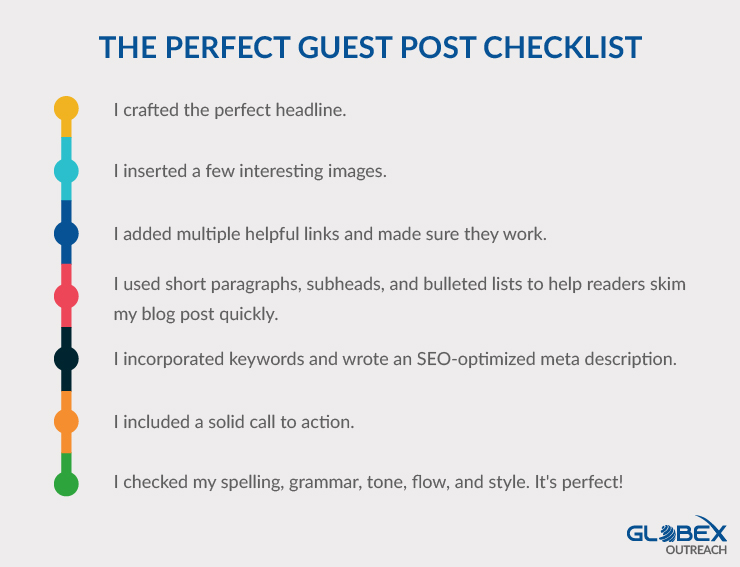
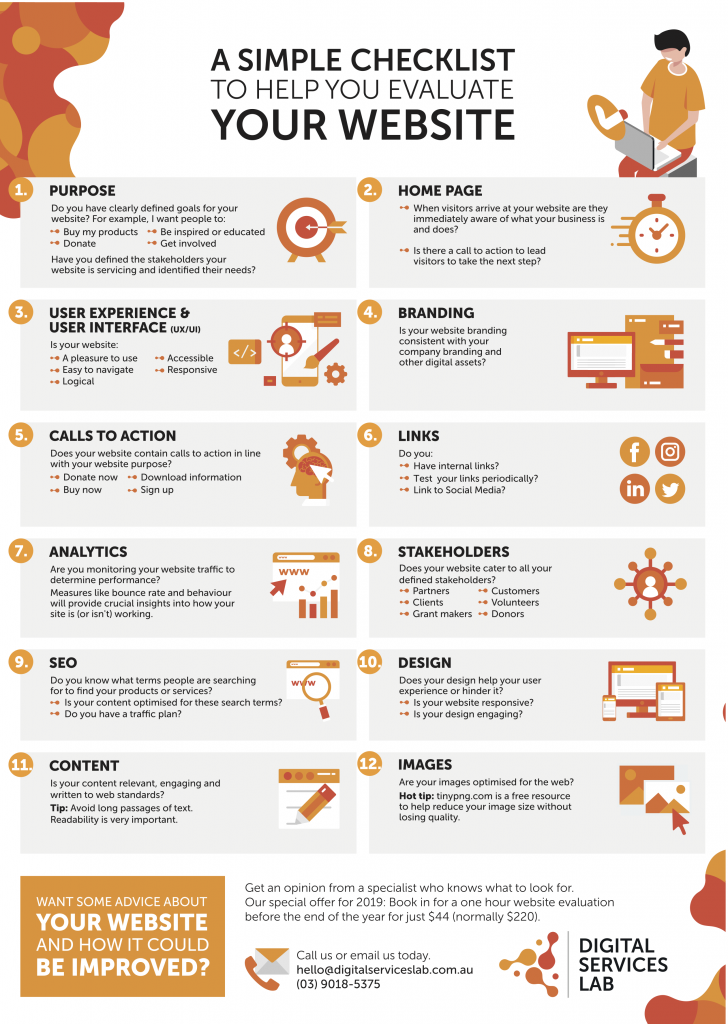
You can evaluate a guest post site by combining hard metrics (traffic, authority, spam risk) with manual review (editorial standards, relevance, UX). Use this as a practical checklist.
1. Check authority & spam risk
a. Authority metrics (baseline filters)
Use one or two trusted tools (Moz, Ahrefs, Semrush, Serpstat, etc.):
- Domain Authority (DA) / Domain Rating (DR) / similar score
- Many practitioners look for DA/DR ≥ 20 as an absolute minimum.
- For quicker SEO impact, aim for DA/DR ≥ 30.
- Backlink profile quality
- Look for relevant, natural backlinks from real sites; avoid sites with most links from obvious directories, PBNs or foreign‑language spam.
b. Spam indicators (red flags)
Even if DA/DR is high, avoid sites that show:
- Irrelevant or over‑commercial anchor text pointing in and out (casino, CBD, crypto, loans across every page).
- Backlink spikes then sharp drops in organic traffic (suggests penalties or paid link abuse).
- Many links from low‑quality or deindexed domains.
- A DA under ~25 combined with aggressive monetisation is often cited as a bad sign for guest posting.
Use spam‑score features (Moz, Ahrefs, etc.) as signals, not absolutes: high spam scores + visible spam patterns = avoid.
2. Evaluate organic traffic (not just “any” traffic)
Use Similarweb, Ahrefs, Semrush, Serpstat, etc.:
- Monthly organic traffic
- For DA/DR ~20: at least 100–150 organic visitors/month.
- For DA/DR ≥40: at least 400–500 organic visitors/month to avoid “fake authority”.
- Traffic trend
- Prefer steady or growing organic traffic over the past 6–12 months.
- Avoid domains with a big recent drop in organic traffic (could indicate penalties or major quality issues).
- Traffic sources
- A healthy profile has a good search share; sites relying mostly on referral/spam traffic are risky.
3. Check engagement & audience fit
You want real readers in your niche, not just a metric number.
- Niche relevance
- Site should be in the same or closely related industry and attract an audience similar to your target customers.
- On‑site engagement (use your tools + manual check):
- Look for reasonable bounce rate, session duration, pages/session; higher engagement implies real interest.
- On the site itself: comments, social share counts, internal linking, recent posts with activity.
- Social signals
- Articles (especially recent ones) receive some shares/interaction; this suggests a content distribution strategy, not just link selling.
4. Review content quality & editorial standards
This is where you separate real publications from guest‑post farms.
Content quality
- Articles are well‑written, coherent, and mostly free of obvious grammar errors.
- Content is original, specific, and helpful, not spun or generic.
- Topics are relevant and consistent with the stated niche.
Editorial standards
- Look for:
- Clear contributor or writer guidelines (length, quality expectations, link rules, tone).
- Evidence of a review/editing process: bylines, editor names, consistent formatting, edited headlines.
- A reasonable publishing frequency: not dead, but not dozens of thin guest posts per day.
- Red flags:
- “Write for us – dofollow backlinks – $X” style pages.
- “Guest Post” in almost every recent article title.
- No guidelines and they accept almost anything you send.
- Payment required to post purely for links (common indicator of a link farm).
5. Assess monetisation & user experience
Quality sites balance monetisation and UX; low‑quality ones aggressively chase ad or link revenue.
UX checks
- Design is modern enough, mobile‑friendly, and loads at a reasonable speed.
- Navigation is logical; categories and tags are not obviously stuffed just for SEO.
Monetisation pattern
- Reasonable:
- Some ads, affiliate links, or sponsored content but clearly labelled.
- Risky:
- Too many ads above the fold, pop‑ups everywhere, auto‑play videos.
- “Advertise / Guest Post” pages that openly sell dofollow links on homepage, sidebar, or any page.
- Content filled with out‑of‑context commercial links.
6. Link placement & technical SEO considerations
For SEO value, check how your link will likely appear:
- In‑content, editorial links are far more valuable than sidebar/footer/blogroll links.
- Prefer relevant, natural anchor text (not over‑optimised exact match).
- Ensure pages are:
- Indexable (not blocked via robots.txt or noindex).
- Using standard canonical tags (not canonicalised away).
- Check how many external links per article there are; dozens of commercial links per post is a bad sign.
7. Quick practical scoring framework
When you review a potential site, you can score like this (example):
- Relevance (0–3) – niche match and audience fit.
- Authority (0–3) – DA/DR vs your baseline, plus backlink quality.
- Traffic (0–3) – organic volume + trend.
- Editorial quality (0–3) – content depth, editing, guidelines, link policies.
- Spam/monetisation risk (0–3) – low ads, no obvious link selling, clean link profile.
Only invest in sites that score 10+ out of 15 by your own thresholds.
If you share 2–3 candidate sites (or their metrics), I can walk through this checklist on each and tell you which ones are worth guest posting on and why.













WebSeoSG offers the highest quality website traffic services in Singapore. We provide a variety of traffic services for our clients, including website traffic, desktop traffic, mobile traffic, Google traffic, search traffic, eCommerce traffic, YouTube traffic, and TikTok traffic. Our website boasts a 100% customer satisfaction rate, so you can confidently purchase large amounts of SEO traffic online. For just 40 SGD per month, you can immediately increase website traffic, improve SEO performance, and boost sales!
Having trouble choosing a traffic package? Contact us, and our staff will assist you.
Free consultation