

Incident Response Playbook for Sudden Organic Traffic Losses
A playbook for sudden organic traffic losses provides a structured, step-by-step guide to detect, diagnose, contain, recover from, and learn from drops in search engine traffic, minimizing business impact.
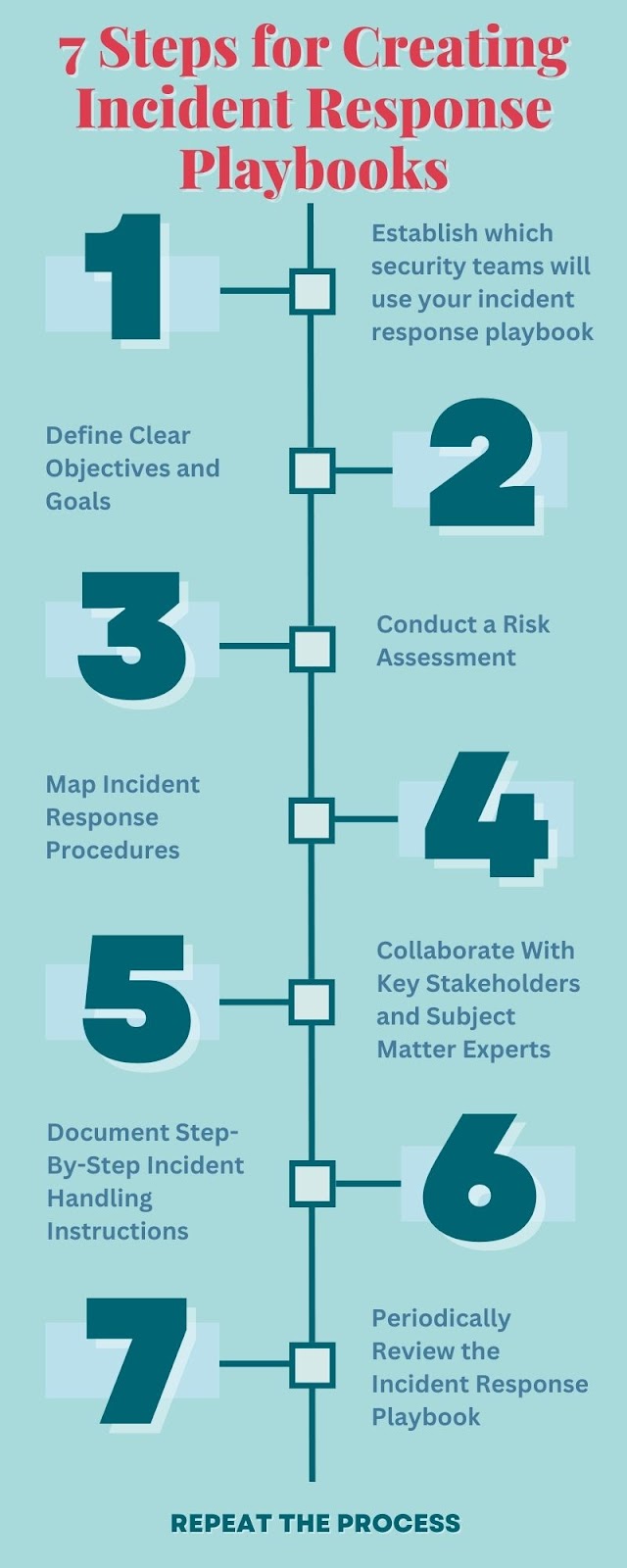
1. Preparation Phase
Establish foundational elements before an incident occurs to enable rapid response.
- Define roles and responsibilities: Assign an incident manager (oversees response), SEO/tech lead (investigates traffic signals), communications manager (handles stakeholder updates), and backups.
- Asset inventory and mapping: Catalog critical assets like websites, Google Analytics/Search Console accounts, sitemaps, and backlinks. Identify dependencies (e.g., CMS, hosting) and classify data (e.g., high-value pages driving traffic).
- Business Impact Analysis (BIA): Set RTO (e.g., restore 80% traffic within 4 hours) and RPO (e.g., tolerate <1 hour data loss). Define severity levels: minor (<10% drop), major (10-50%), critical (>50%).
- Tools and monitoring: Procure Google Search Console, Analytics, Ahrefs/SEMrush for traffic/logs, threat intelligence for algorithm updates. Implement alerting for >10% traffic drops.
- Training and testing: Run tabletop exercises simulating Google core updates or penalties.
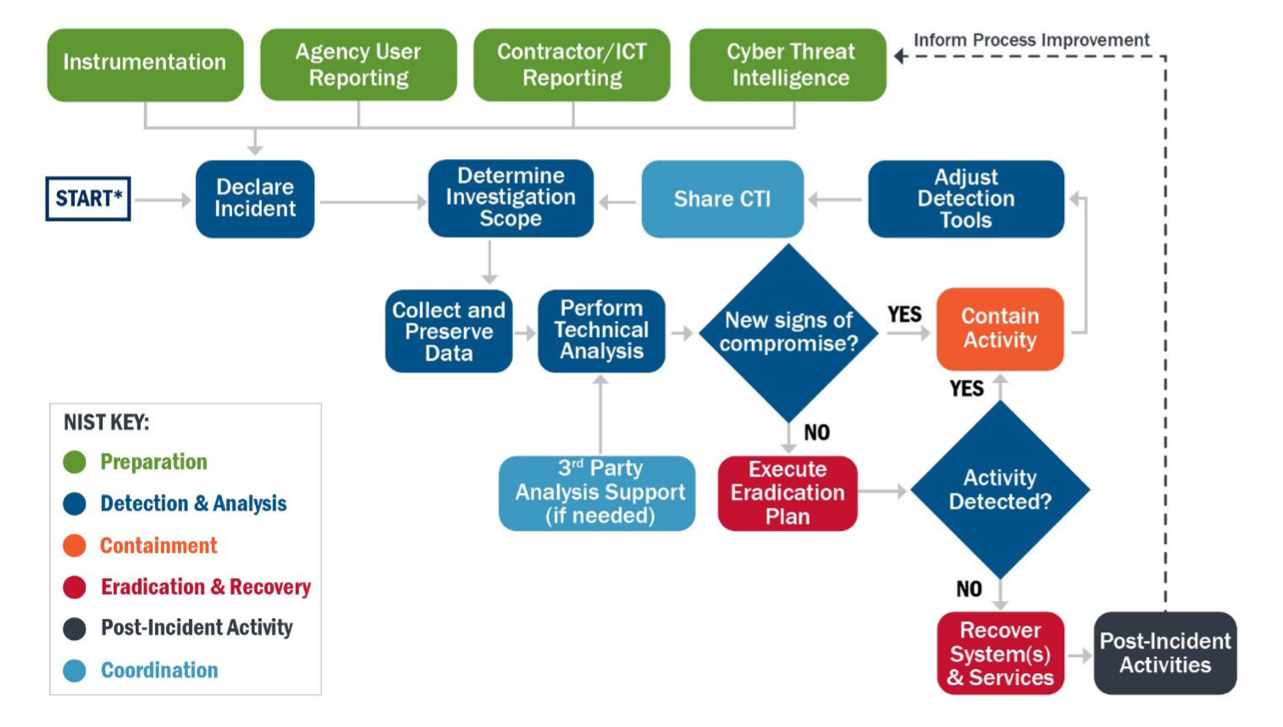
2. Detection and Triage Phase
Identify and assess the incident quickly to avoid escalation.
- Triggers: Alerts from monitoring tools for sudden traffic drops (e.g., -20% organic in 24 hours), user reports, or external signals like Google announcements.
- Initial assessment:
- Verify drop: Compare Google Analytics organic traffic vs. Search Console impressions/clicks.
- Check scope: All pages? Specific URLs/keywords? Geographic?
- Correlate sources: Workload telemetry (site performance), CSP data (hosting issues), threat intel (competitor penalties, algorithm changes), user feedback.
- Classify incident: Use decision tree—e.g., "Algorithm update? → Check Google blog. Manual penalty? → Review Search Console notifications. Technical issue? → Audit crawl errors."
- Avoid false positives: Filter alert fatigue with automation (e.g., ignore seasonal dips).
- Escalate if critical (notify execs within 30 mins).
3. Containment and Mitigation Phase
Limit damage and stabilize.
- Immediate actions (required):
- Isolate: Pause non-essential changes (e.g., stop A/B tests, content updates).
- Backup: Snapshot site, Analytics data, Search Console exports.
- Monitor: Track real-time traffic via multiple tools.
- Optional enhancements: Enrich data (e.g., query Google trends for update signals), notify Google via reconsideration request if penalty suspected.
- Collaborate: Involve dev/SEO teams for quick fixes like fixing 5xx errors or robots.txt issues.
4. Resolution and Recovery Phase
Restore normal operations.
- Root cause analysis:
Potential Cause Diagnostic Steps Recovery Actions Google algorithm update Review Search Console performance report, Google blog/Webmaster Hangouts. Optimize content (E-E-A-T), build quality backlinks; wait 2-4 weeks for reindexing. Manual penalty Check Search Console security/manual actions. Fix violations (e.g., thin content), submit reconsideration request. Technical issues (crawl budget, Core Web Vitals) Audit via Search Console, PageSpeed Insights. Improve speed, mobile usability; resubmit sitemap. Competitive/seasonal Benchmark vs. competitors via tools. Diversify traffic sources (social, paid). Security/hack Scan for malware in Search Console. Clean site, request review. - Verify fix: Test traffic recovery post-changes; aim for RTO compliance.
- Communicate internally/externally using templates (e.g., "Traffic impacted by update; recovery ETA 48 hours").
5. Post-Incident Activity Phase
Analyze and improve.
- Review: Document timeline, actions, outcomes. Conduct after-action review (what went well? Gaps?).
- Lessons learned: Update playbook (e.g., add new triggers), retrain team, enhance monitoring.
- Metrics: Measure MTTR (mean time to recovery), traffic recovery %, prevention of recurrence.
This playbook follows standard frameworks (e.g., NIST-inspired phases) adapted for SEO-specific incidents like traffic losses, ensuring consistent, efficient responses. Customize thresholds and tools to your organization's scale.














WebSeoSG offers the highest quality website traffic services in Singapore. We provide a variety of traffic services for our clients, including website traffic, desktop traffic, mobile traffic, Google traffic, search traffic, eCommerce traffic, YouTube traffic, and TikTok traffic. Our website boasts a 100% customer satisfaction rate, so you can confidently purchase large amounts of SEO traffic online. For just 40 SGD per month, you can immediately increase website traffic, improve SEO performance, and boost sales!
Having trouble choosing a traffic package? Contact us, and our staff will assist you.
Free consultation