

Creating SEO-optimised guest posts without keyword stuffing comes down to matching search intent, using keywords sparingly but strategically, and focusing on reader value over density.
Here’s a practical framework you can follow.
1. Start with intent, not keywords
- Identify what the audience actually wants: how-to, comparison, opinion, checklist, case study, etc.
- Choose a topic where your expertise overlaps with the host site’s audience needs.
- Let the intent dictate the outline; keywords should support that, not drive it.
Result: your post reads naturally because it is built around solving a real problem, not repeating a phrase.
2. Do light keyword research (and then relax)
- Pick 1 primary keyword and 2–5 closely related/semantic variations.
- Choose phrases that sound like something a real person would search (use common sense, not just volume).
- Avoid long, awkward exact-match phrases in every paragraph; use natural variations instead.
You are aiming for coverage of the topic, not a specific keyword density.
3. Place keywords where they matter most
You can keep keyword use low, but highly effective, by focusing on the “SEO power positions”:
- Title (H1): Include the primary keyword once in a natural way.
- Meta title + meta description: Use the main keyword (or close variant) once each to reinforce relevance and improve CTR.
- Intro (first 100 words): Mention the primary keyword once, then write naturally.
- Subheadings (H2/H3): Use variations or secondary keywords where they fit, not in every heading.
- Image alt text: Describe the image naturally and include a keyword only if it genuinely fits.
If these are optimised, you rarely need more than a handful of keyword uses in the body.
4. Write for humans: depth, clarity, and originality
- Aim for high-quality, in-depth content that could stand as the “definitive” resource on the topic.
- Use:
- Clear H2/H3 structure
- Short paragraphs and concise sentences
- Bullet points and examples for readability
- Bring original insights, data, or frameworks instead of generic advice.
Search engines reward content that answers questions thoroughly and keeps readers engaged.
5. Use natural language instead of repetitive phrases
To avoid keyword stuffing:
- Write the first draft without caring about keywords. Then lightly edit to add a few where they naturally fit.
- Use synonyms and related phrases (e.g. “guest blogging strategy”, “guest article”, “contributor post”) instead of repeating the exact keyword.
- Read aloud: if you notice yourself repeating the same phrase often, replace some instances with natural alternatives or pronouns.
If a sentence sounds weird with the keyword, remove it. User experience > keyword frequency.
6. Optimise anchor text and links without spam
- Use descriptive, context-rich anchor text, not generic “click here”, and not over-optimised, keyword-jammed anchors.
- Good: “guide to SEO guest post strategy”
- Bad: “best cheap SEO guest post backlinks service”
- Include:
- 1–3 relevant internal links to the host site (if allowed)
- 1–2 contextual external links to authoritative sources
- 1 contextual link to your own site (usually in the body or bio), with natural anchor text
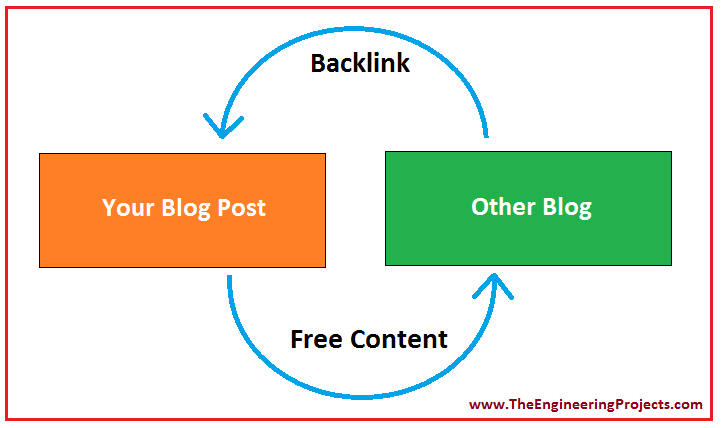
One meaningful, well-placed backlink in a strong article is more valuable than many forced links.
7. Leverage the author bio smartly (without stuffing)
- Use your primary or related keyword once as part of a natural description of what you do.
- Example: “She helps B2B brands scale traffic with ethical SEO content and guest posting campaigns.”
- Include one link to a relevant page (not always the homepage) that matches the anchor text.
8. Format for readability and on-page SEO
- Use:
- Clear, descriptive subheadings
- Short paragraphs (1–4 lines)
- Bullet points for steps, tips, and lists
- Run a quick readability check (aim for ~Grade 8–9 or lower, depending on audience).
- Proofread for grammar and flow; poor writing hurts trust and performance.
9. Quick checklist to avoid keyword stuffing
Before submitting the guest post, ask:
- Is the topic clearly aligned with the search intent?
- Does the H1, meta title, and meta description include the main keyword once (naturally)?
- Does the body:
- Answer the topic comprehensively?
- Use the main keyword just a few times, plus natural variations?
- Read smoothly when read aloud?
- Is the anchor text:
- Descriptive and relevant?
- Free of awkward, over-optimised phrasing?
If all are “yes”, your guest post is SEO-optimised without keyword stuffing.
If you share your main target keyword and the blog you’re writing for, I can draft a sample H1, intro, and subheadings that are optimised but non-spammy.

















WebSeoSG offers the highest quality website traffic services in Singapore. We provide a variety of traffic services for our clients, including website traffic, desktop traffic, mobile traffic, Google traffic, search traffic, eCommerce traffic, YouTube traffic, and TikTok traffic. Our website boasts a 100% customer satisfaction rate, so you can confidently purchase large amounts of SEO traffic online. For just 40 SGD per month, you can immediately increase website traffic, improve SEO performance, and boost sales!
Having trouble choosing a traffic package? Contact us, and our staff will assist you.
Free consultation