

Personalizing keyword research for niche industries in Singapore involves tailoring your approach to the unique characteristics of your target audience, local market trends, and industry-specific search behaviours. Here’s a step-by-step guide to help you conduct effective, personalized keyword research for niche sectors in Singapore:
1. Understand Your Niche Audience
- Identify the demographics, interests, and pain points of your target audience.
- Use analytics tools (Google Analytics, social media insights) to gather data on visitor behaviour and preferences.
- Consider cultural nuances, language preferences (English, Mandarin, Malay, Tamil), and local terminology relevant to your niche.
2. Brainstorm Seed Keywords
- Start with broad terms related to your niche (e.g., “vegan skincare,” “boutique fitness studios,” “Halal catering”).
- Think about how Singaporeans might phrase their searches (e.g., “best HDB renovation packages,” “affordable dental implants Singapore”).
3. Leverage Local Keyword Research Tools
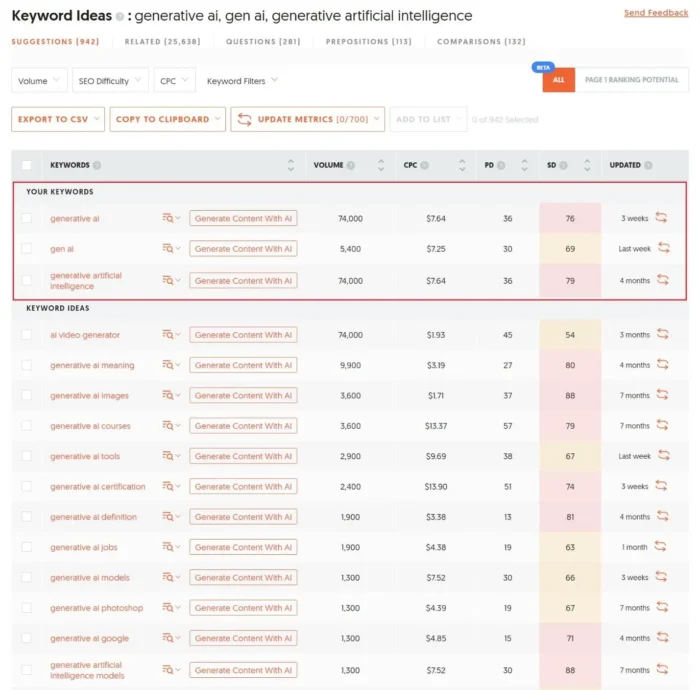
- Use tools like Google Keyword Planner, Ahrefs, SEMrush, and Ubersuggest to generate keyword ideas.
- Focus on metrics such as:
- Search volume (monthly local searches)
- Keyword difficulty (aim for <20 for low competition)
- Local search patterns (neighbourhood-specific terms, cultural references)
4. Analyse Competitors and Industry Gaps
- Study competitors’ websites and content to identify keywords they rank for.
- Look for gaps in their strategy—keywords they’re missing or underutilizing.
- Use competitor gap analysis features in tools like Ahrefs or SEMrush.
5. Prioritize Long-Tail and Niche Keywords
- Target longer, more specific phrases (e.g., “organic skincare for sensitive skin Singapore”).
- These keywords often have lower competition and higher conversion rates.
- Focus on user intent: informational, transactional, or local service queries.
6. Incorporate Local and Cultural References
- Use neighbourhood-specific terms (e.g., “boutique hotels in Katong,” “fitness classes in Tiong Bahru”).
- Include local slang, cultural events, or seasonal trends relevant to your niche.
7. Validate and Refine Your Keyword List
- Analyze SERPs (Search Engine Results Pages) for your chosen keywords.
- Check the top-ranking pages to understand user intent and content format.
- Adjust your keyword list based on relevance, competition, and business goals.
8. Track and Optimize
- Set up a tracking system to monitor keyword performance (ranking, traffic, conversions).
- Regularly update your keyword strategy based on new trends, search patterns, and business objectives.
9. Use AI and Advanced Tools (Optional)
- Explore AI-powered platforms that offer predictive analytics and natural language processing calibrated for Singapore’s multilingual environment.
- These tools can help uncover emerging trends and optimize content for local search engines.
10. Create Hyper-Targeted Content
- Develop content that directly addresses the needs and search intent of your niche audience.
- Incorporate local references, answer common questions, and provide comprehensive coverage of niche topics.
By following these steps, businesses in Singapore can personalize their keyword research to effectively reach and engage niche audiences, improve organic visibility, and drive higher conversion rates.

















WebSeoSG offers the highest quality website traffic services in Singapore. We provide a variety of traffic services for our clients, including website traffic, desktop traffic, mobile traffic, Google traffic, search traffic, eCommerce traffic, YouTube traffic, and TikTok traffic. Our website boasts a 100% customer satisfaction rate, so you can confidently purchase large amounts of SEO traffic online. For just 40 SGD per month, you can immediately increase website traffic, improve SEO performance, and boost sales!
Having trouble choosing a traffic package? Contact us, and our staff will assist you.
Free consultation