

How to Use Micro-Conversions to Increase Sales
Micro-conversions are small user actions that show interest or intent before the final purchase. Examples include:
- Viewing a product page
- Adding an item to cart
- Signing up for a newsletter
- Watching a video
- Clicking “call now” or live chat
- Downloading a guide or brochure
Used well, micro-conversions help you spot where people drop off and what nudges them closer to buying.
1. Identify the key micro-conversions in your funnel
Map the steps before the sale and decide which actions matter most.
For example:
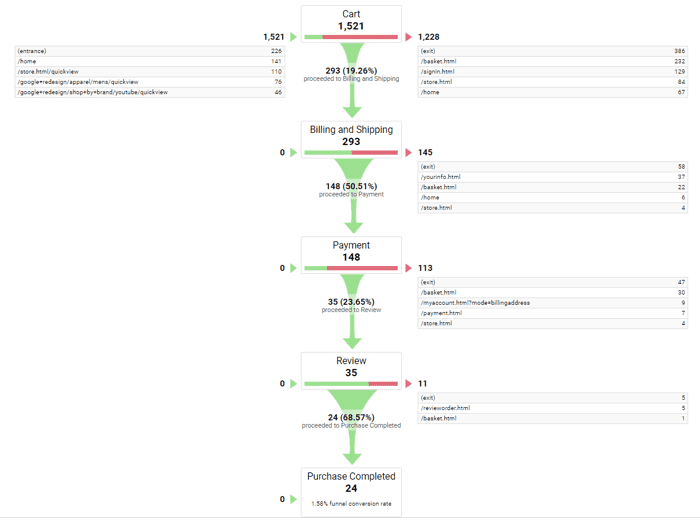
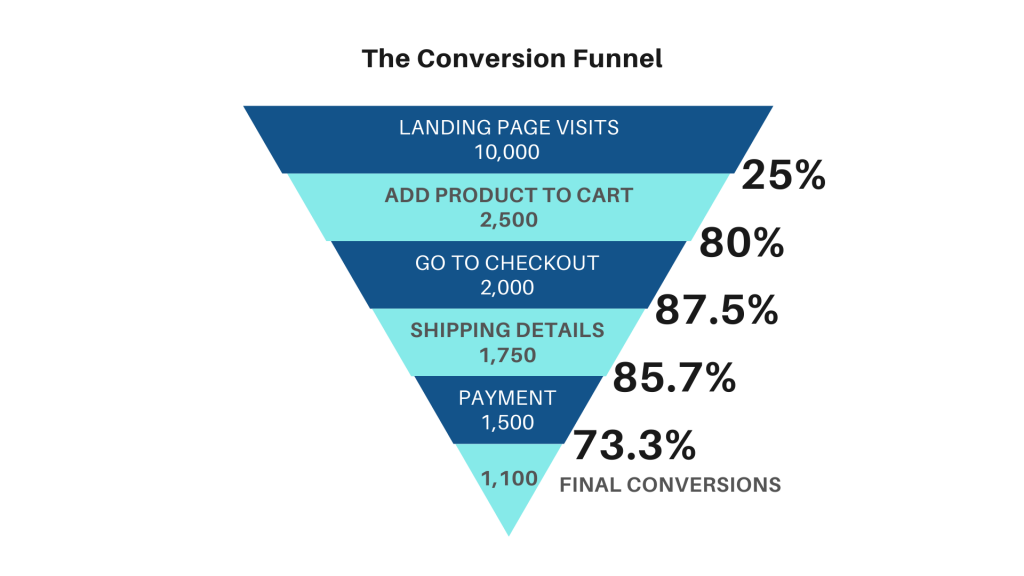
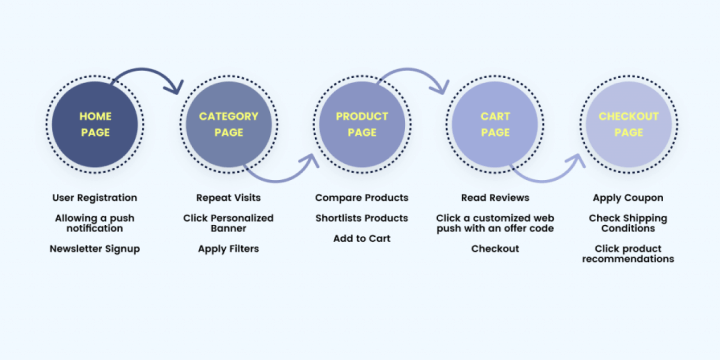
- E-commerce: product view → add to cart → checkout start → purchase
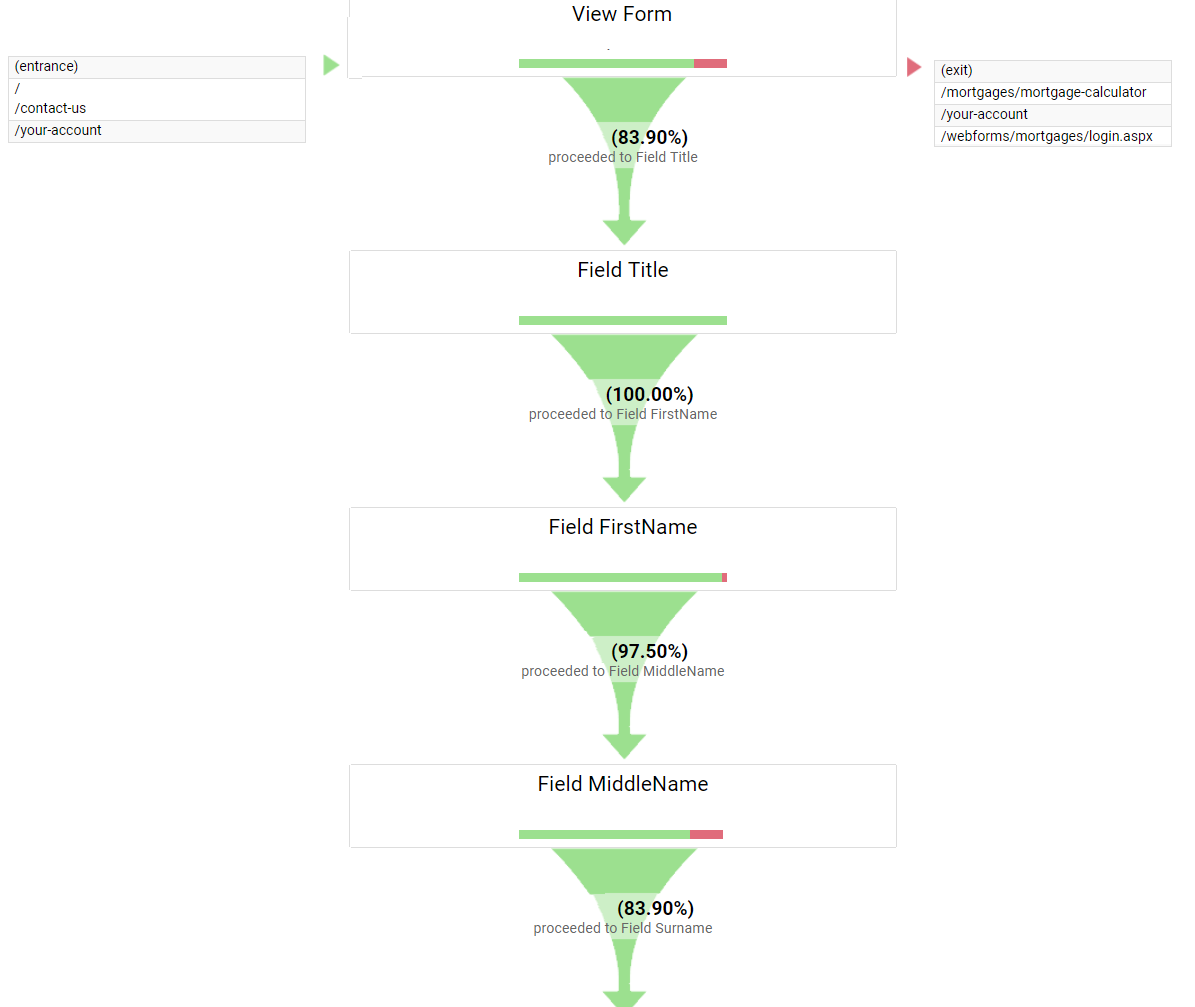
- Lead generation: landing page view → form fill → demo request → sale
- SaaS: pricing page view → free trial signup → onboarding completion → paid plan
Focus on actions that indicate real buying intent.
2. Track them properly
Set up analytics to measure each micro-conversion separately. This helps you see:
- Where users lose interest
- Which pages or campaigns drive the best engagement
- Which behaviours usually lead to a sale
3. Use the data to find friction points
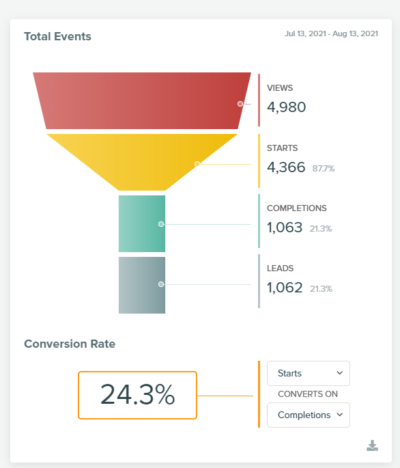
Look for places where users drop out of the journey.
Examples:
- People view products but do not add to cart
- Users add to cart but abandon checkout
- Visitors read content but do not sign up
Once you know the weak point, improve that step first.
4. Segment users based on behaviour
Different visitors behave differently. Group them by actions such as:
- New vs returning visitors
- High-intent vs low-intent users
- Cart abandoners
- Newsletter subscribers
- Customers who watched a video or downloaded content
Then send each group more relevant messages or offers.
5. Optimise each micro-step
Make it easier for users to move forward by improving:
- Calls to action: clear, visible, and relevant
- Page design: simple layout, less distraction
- Checkout flow: fewer steps, fewer form fields
- Product recommendations: suggest related or complementary items
- Personalisation: show content based on browsing or past behaviour
6. Nurture users after micro-conversions
Not every user buys immediately. Use micro-conversions to continue the relationship.
Examples:
- Send a welcome email after newsletter signup
- Follow up on abandoned carts
- Retarget people who viewed products but did not purchase
- Offer helpful content after a guide download
7. Test and improve continuously
Run A/B tests on:
- Button text
- Page layout
- Offer placement
- Form length
- Pop-up timing
- Recommendation widgets
Then compare which version increases both micro-conversions and final sales.
Practical examples
- A shopper adds an item to cart but leaves. You send a reminder email or offer free shipping.
- A visitor downloads a product guide. You follow up with a demo invitation.
- A user watches a product video. You show related products or a stronger call to action.
Why this works
Micro-conversions help you understand buying intent earlier in the journey. By improving these smaller steps, you can:
- Increase engagement
- Reduce drop-off
- Improve lead quality
- Lift final conversion rates
- Grow sales more efficiently
Simple rule to follow
If a micro-conversion strongly predicts a sale, measure it, improve it, and build follow-up actions around it.
If you want, I can also turn this into a step-by-step checklist or a short SEO blog draft.










WebSeoSG offers the highest quality website traffic services in Singapore. We provide a variety of traffic services for our clients, including website traffic, desktop traffic, mobile traffic, Google traffic, search traffic, eCommerce traffic, YouTube traffic, and TikTok traffic. Our website boasts a 100% customer satisfaction rate, so you can confidently purchase large amounts of SEO traffic online. For just 40 SGD per month, you can immediately increase website traffic, improve SEO performance, and boost sales!
Having trouble choosing a traffic package? Contact us, and our staff will assist you.
Free consultation