

Audience Targeting Strategies for New Brands
For a new brand, the goal is to reach the right people quickly, learn what works, and avoid wasting budget on broad, low-quality audiences. Based on the sources you shared, here are practical strategies that are especially useful for brands starting out.
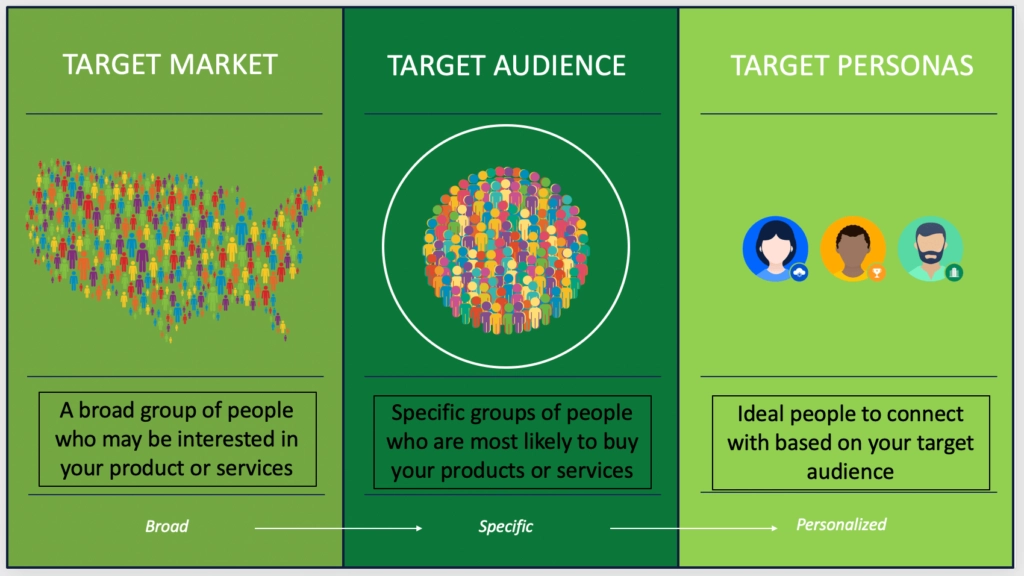
1. Start with a clear customer profile
Before running campaigns, define your likely best customer using:
- Demographics: age, gender, income, education, location
- Psychographics: interests, values, lifestyle
- Behavioural signals: browsing habits, engagement patterns, purchase intent
This helps you avoid targeting “everyone” and gives your campaigns a sharper focus.
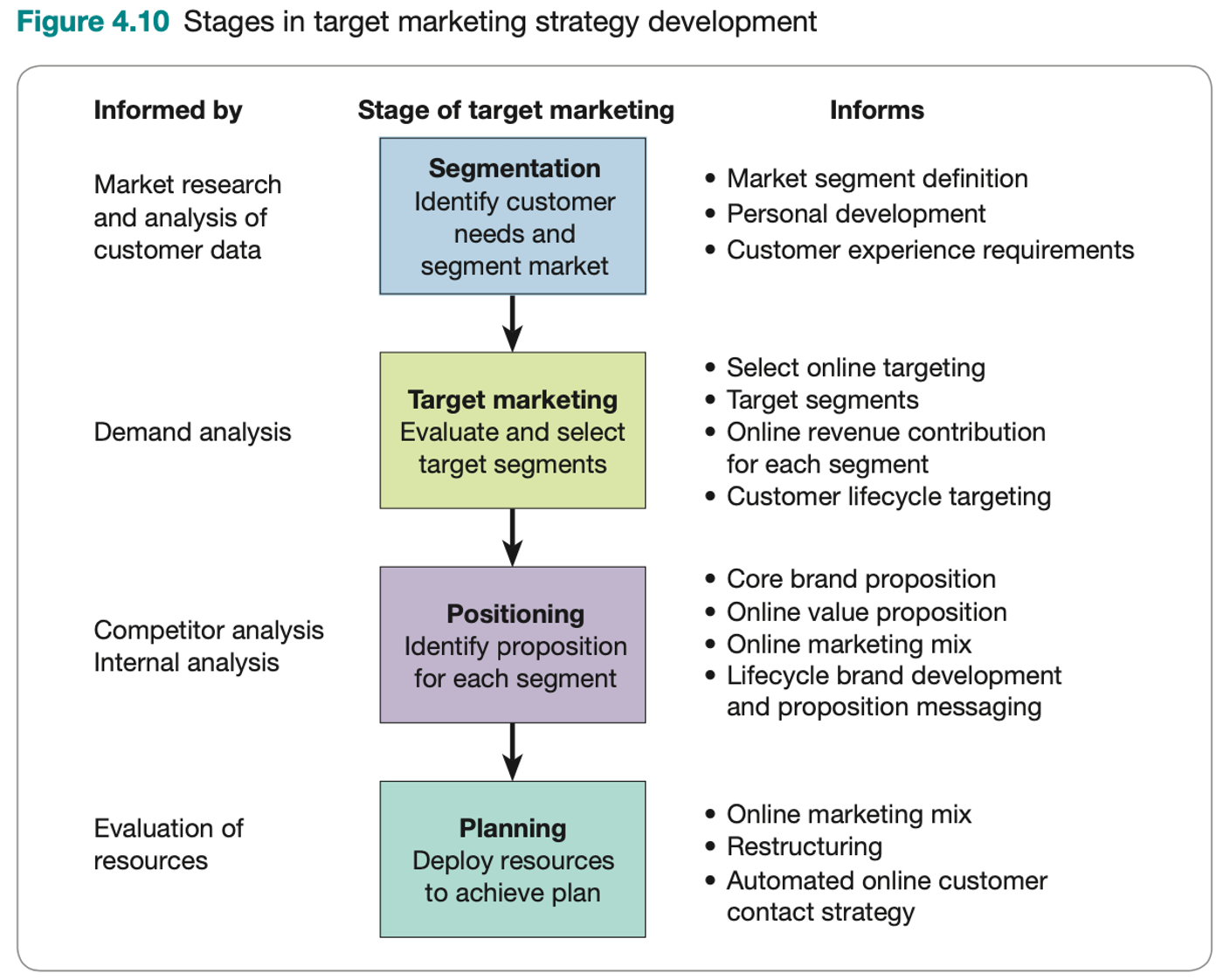
2. Build basic audience segments
A new brand should separate audiences into simple tiers:
- Primary audience: high-intent users most likely to convert
- Secondary audience: users who are interested but need more nurturing
- Lookalike audiences: people who resemble your best existing customers or early adopters
If you do not yet have much customer data, start with your early sign-ups, site visitors, or purchasers.
3. Use first-party and zero-party data early
Since new brands often have limited history, collect data directly from users through:
- Surveys
- Preference centres
- Email sign-up forms
- Product quizzes
- On-site behaviour
This gives you information you can use to improve targeting without relying only on platform-level signals.
4. Use lookalike audiences to scale
Lookalike targeting is very useful for new brands because it lets you:
- Use your best customer list or high-quality leads as a seed audience
- Find similar people based on interests, behaviour, and demographics
- Expand reach without starting from scratch
This is often more efficient than broad targeting.
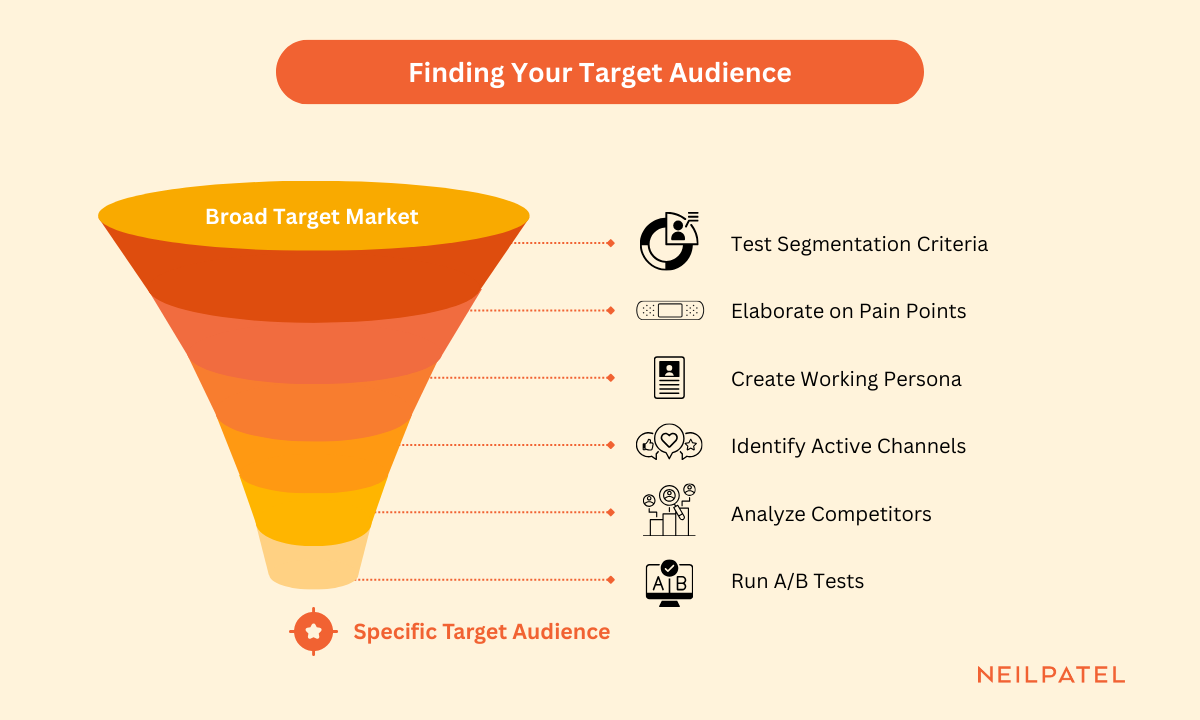
5. Test multiple audience segments
Do not assume your first audience choice is the best one. Test different segments such as:
- Age groups
- Interest clusters
- Purchase-intent levels
- Device users
- Engagement-based groups
Track which groups respond best, then shift budget towards the strongest performers.
6. Match messaging to the customer journey
Different audiences need different messages depending on where they are in the journey:
- Awareness: introduce the brand and problem solved
- Consideration: explain benefits, differentiators, and social proof
- Purchase: focus on offers, CTAs, and urgency
- Post-purchase: encourage repeat purchase, upsell, or advocacy
For new brands, this helps avoid using the same creative for everyone.
7. Use dynamic or tailored creative
Once you identify audience differences, customise:
- Headlines
- Calls to action
- Landing pages
- Ad formats
- Product recommendations
This improves relevance and can lift conversion rates.
8. Exclude already converted users
A simple but important rule: do not keep showing acquisition ads to people who have already converted.
Instead, create separate segments for:
- New prospects
- Cart abandoners
- Existing customers
- Repeat buyers
This reduces wasted spend and improves efficiency.
9. Focus on high-signal channels first
For a new brand, it is usually better to concentrate on a few channels where audience data is strongest, such as:
- Paid social
- Search
- Retargeting
- Programmatic display
Then expand only after you have performance data.
10. Measure and refine continuously
Set up KPIs early, such as:
- Click-through rate
- Conversion rate
- Bounce rate
- Cost per acquisition
- Return on ad spend
Use baseline data, compare performance across segments, and refine your audience definitions over time.
Practical starting framework for a new brand
- Define your ideal customer
- Collect first-party and zero-party data
- Launch 2–4 audience segments
- Test creative and messaging by segment
- Build lookalikes from top performers
- Exclude converters and non-relevant users
- Review KPIs and iterate weekly or monthly
Best approach in one line
For new brands, the best audience targeting strategy is to start narrow, use your own data, test fast, and scale the audiences that show real intent.
If you want, I can also turn this into a beginner-friendly checklist or a table comparing targeting strategies for new brands.

)













WebSeoSG offers the highest quality website traffic services in Singapore. We provide a variety of traffic services for our clients, including website traffic, desktop traffic, mobile traffic, Google traffic, search traffic, eCommerce traffic, YouTube traffic, and TikTok traffic. Our website boasts a 100% customer satisfaction rate, so you can confidently purchase large amounts of SEO traffic online. For just 40 SGD per month, you can immediately increase website traffic, improve SEO performance, and boost sales!
Having trouble choosing a traffic package? Contact us, and our staff will assist you.
Free consultation