

Ethical Considerations and Transparency When Using AI-Generated Video Content
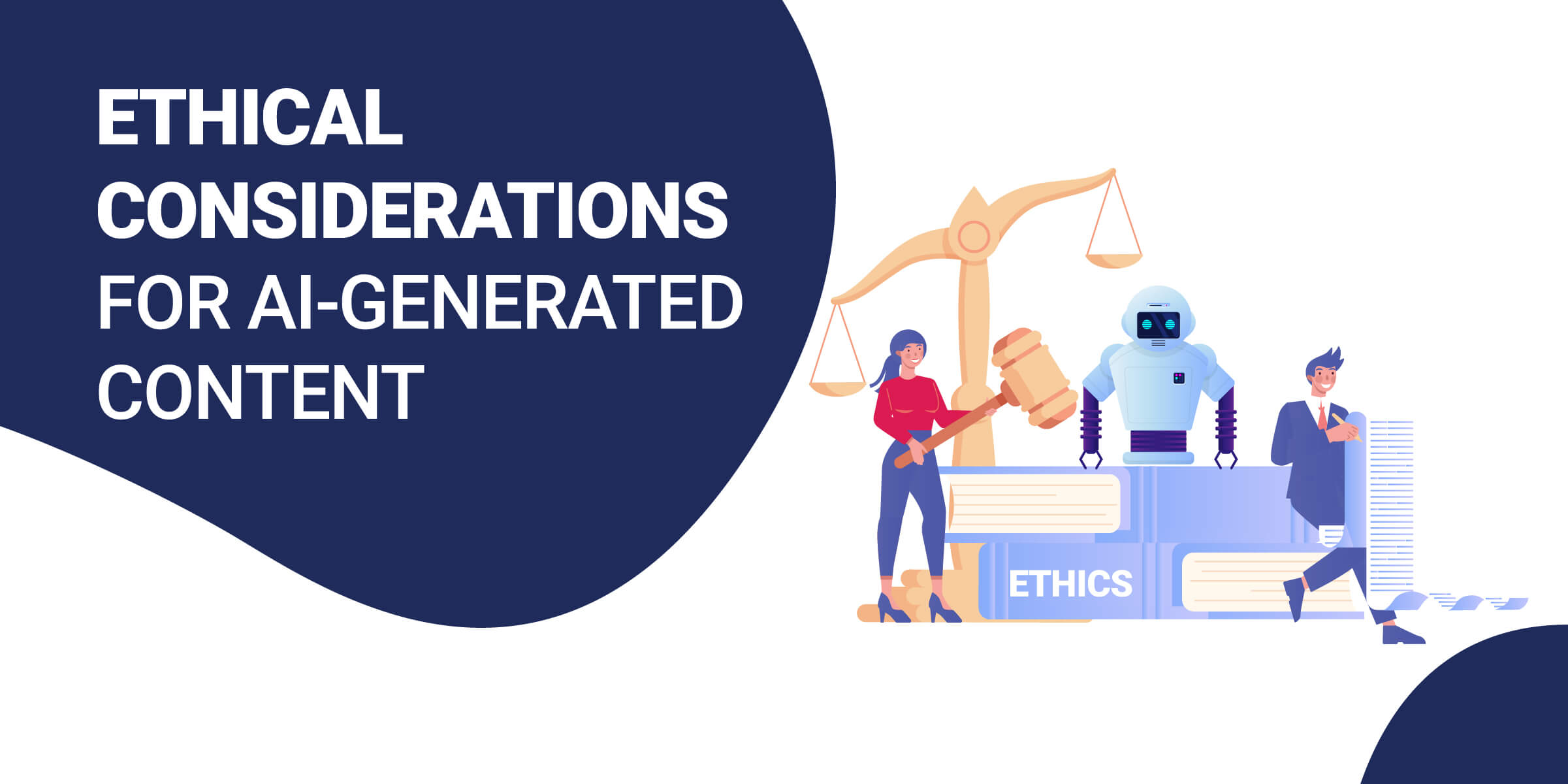
AI-generated video content presents significant opportunities for efficiency and creativity, but it also introduces complex ethical challenges that require careful attention. The responsible deployment of AI video technology demands a comprehensive approach to transparency, accountability, and ethical governance.
Key Ethical Concerns
Consent and Privacy
One of the most pressing ethical issues involves consent when creating AI-generated videos. Using someone's face, voice, or personal information to generate deepfakes or other video content without their explicit permission raises serious privacy and security concerns. This practice can constitute defamation and invasion of privacy, both of which carry legal consequences. Individuals' likenesses may be incorporated into AI training datasets without their knowledge or agreement, particularly when photos are scraped from social media or public platforms.
Intellectual Property and Creator Rights
Artists' and creators' original work is frequently used to train AI video models without permission or compensation. AI systems trained on millions of images and videos can reproduce a creator's unique style at scale, effectively exploiting their intellectual property without credit or consent. Content creators must ensure their AI-generated videos don't infringe existing copyrights while simultaneously protecting their own intellectual property rights.
Bias and Discrimination
AI video systems can perpetuate harmful biases rooted in their training data, potentially generating content that reinforces stereotypes or excludes marginalised groups. Mitigating this risk requires commitment to diverse and representative datasets and fostering inclusivity throughout the content creation process.
Misinformation and Defamation
AI-generated video content can easily spread misinformation if not properly vetted. The potential for AI to generate defamatory content or manipulate public opinion raises significant concerns about the reliability and trustworthiness of online video content. Manipulation through AI tools—altering information in images, video, and audio for purposes such as disinformation or defamation—represents a serious ethical violation.
Transparency and Accountability Requirements
Clear Disclosure of AI Use
Transparency in AI video production involves clear disclosure of AI involvement in content creation. Rather than relying on blanket statements, organisations should disclose AI-generated visuals specifically, particularly in public-facing materials where heightened public concern about misinformation exists. Users should understand when they're viewing AI-generated content and have access to information about how that content was created.
Transparency also prevents ethical issues where AI-generated works are presented as entirely human-created, which could mislead audiences. Watermarks, in-app labels, and other authentication mechanisms can clarify when content is AI-generated.
Accountability Mechanisms
Accountability must address both technical and governance aspects of AI deployment. This includes establishing clear responsibility chains, implementing audit trails, and maintaining documentation sufficient for regulatory compliance and ethical review. Companies need to set clear protocols for testing and validating AI-generated content to ensure it is safe, reliable, and accurate.
Best Practices for Responsible AI Video Production
Human Oversight and Control
Google's responsible AI framework emphasises that AI systems should enhance human decision-making while maintaining human oversight and control. Final creative decisions should remain with human creators who can consider broader context, ethical implications, and audience impact. AI should enhance expertise rather than replace it, with humans remaining accountable for AI-assisted decisions.
Quality Assurance and Verification
Effective human-AI collaboration involves clearly defining roles and responsibilities, establishing quality control processes, and maintaining transparency about AI involvement. Teams should be trained to identify and address misleading, exclusionary, or insensitive AI-generated content. Fact-checking AI-generated content is essential to prevent the spread of misinformation and ensure all communication remains truthful and accurate.
Diverse Perspectives and Bias Mitigation
Reducing AI bias requires involving diverse perspectives in prompt design, model training, fine-tuning, and content review processes. Maintaining humans as final decision-makers helps safeguard against discriminatory outputs.
Education and Stakeholder Engagement
Training users and employees on ethical considerations is critical for responsible AI use. Organisations should educate teams on the risks and limitations of AI-generated content, ensuring they can verify outputs and maintain professional integrity. Creating open feedback mechanisms—including anonymous reporting systems or ethics councils—helps detect risks early and ensures practices evolve in response to technological change.
Legal and Compliance Considerations
Beyond ethical concerns, organisations must address legal requirements surrounding AI-generated video content. Product liability issues can arise if AI generates harmful content, potentially exposing companies to liability for damages or injuries. Disclosure requirements should align with applicable laws, regulations, and best practices in relevant jurisdictions.
The responsible use of AI video production requires balancing innovation with regulation, fostering transparency, and maintaining human agency in creative decision-making. By implementing comprehensive ethical frameworks and accountability mechanisms, organisations can harness the potential of AI video technology while mitigating risks and maintaining public trust.

















WebSeoSG offers the highest quality website traffic services in Singapore. We provide a variety of traffic services for our clients, including website traffic, desktop traffic, mobile traffic, Google traffic, search traffic, eCommerce traffic, YouTube traffic, and TikTok traffic. Our website boasts a 100% customer satisfaction rate, so you can confidently purchase large amounts of SEO traffic online. For just 40 SGD per month, you can immediately increase website traffic, improve SEO performance, and boost sales!
Having trouble choosing a traffic package? Contact us, and our staff will assist you.
Free consultation