

How to Measure LTV, CAC, and Funnel Profitability
Here’s a practical way to measure these metrics together.
1) Measure LTV (Lifetime Value)
LTV estimates how much revenue or gross profit one customer generates over their relationship with your business.
A common formula is:
LTV = ARPU × Gross Margin × Average Customer Lifetime
Where:
- ARPU = average revenue per user/customer
- Gross Margin = revenue left after direct cost of goods/services
- Average Customer Lifetime = how long a customer stays active
For subscription businesses, another common version is:
LTV = ARPU × Gross Margin ÷ Churn Rate
Example
If:
- ARPU = $25/month
- Gross margin = 60%
- Monthly churn = 3%
Then:
LTV = 25 × 0.60 ÷ 0.03 = $500
2) Measure CAC (Customer Acquisition Cost)
CAC is the total cost of acquiring a new customer.
CAC = Total Sales & Marketing Spend ÷ Number of New Customers Acquired
Include relevant costs such as:
- Ad spend
- Sales team salaries and commissions
- Marketing tools/platform costs
- Agency fees
- Campaign production costs
Example
If:
- Sales + marketing spend = $100,000
- New customers acquired = 400
Then:
CAC = 100,000 ÷ 400 = $250
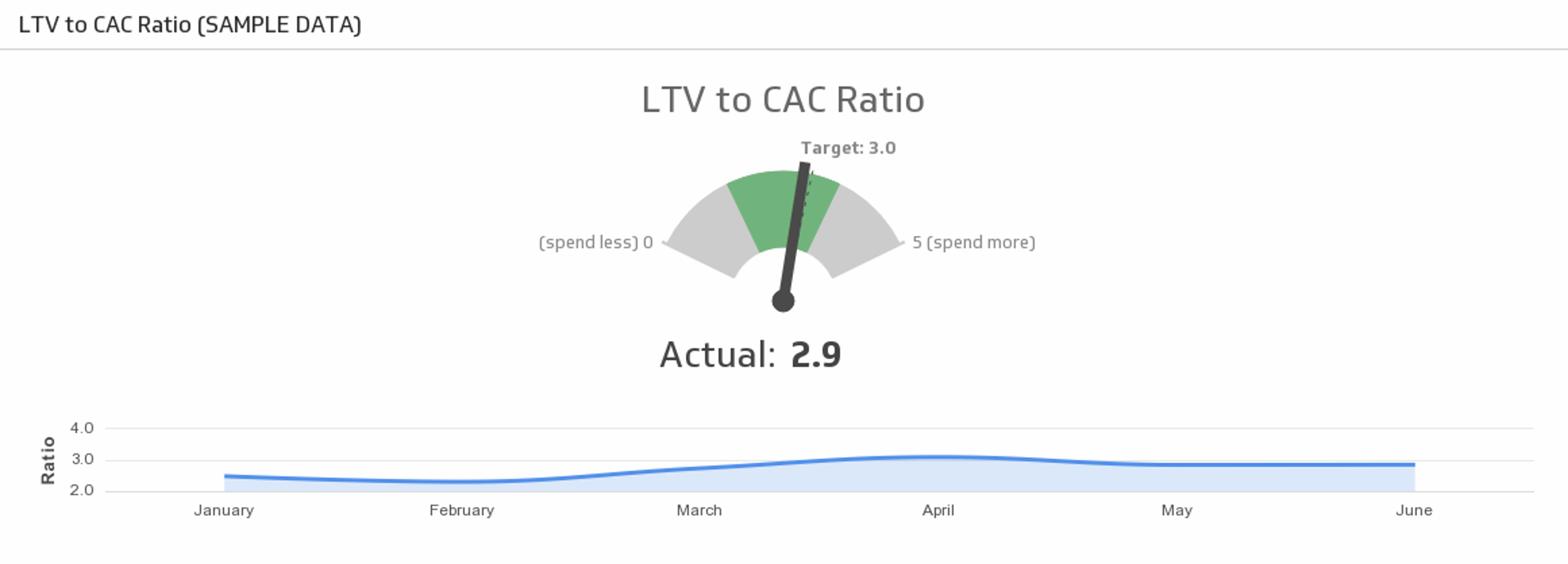
3) Calculate the LTV:CAC Ratio
This tells you how much value you get back for each dollar spent acquiring a customer.
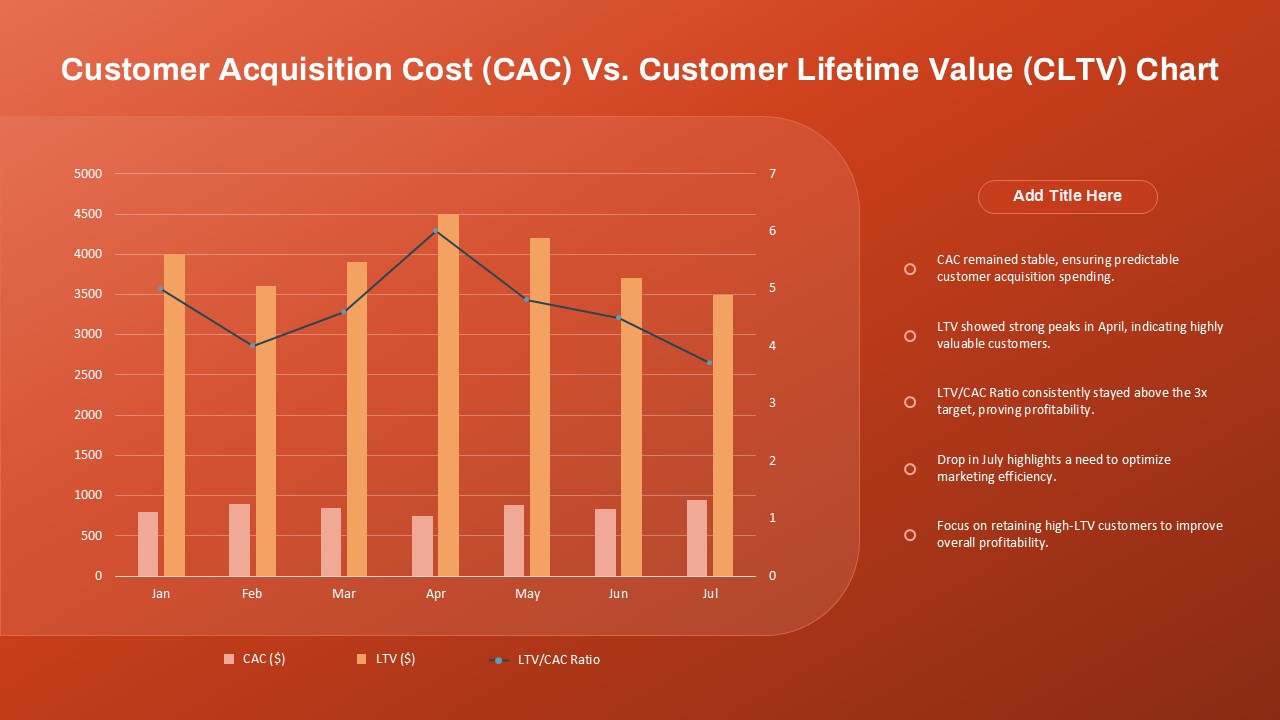
LTV:CAC Ratio = LTV ÷ CAC
Example
Using the figures above:
LTV:CAC = 500 ÷ 250 = 2.0
This means each customer generates about 2x the cost to acquire them.
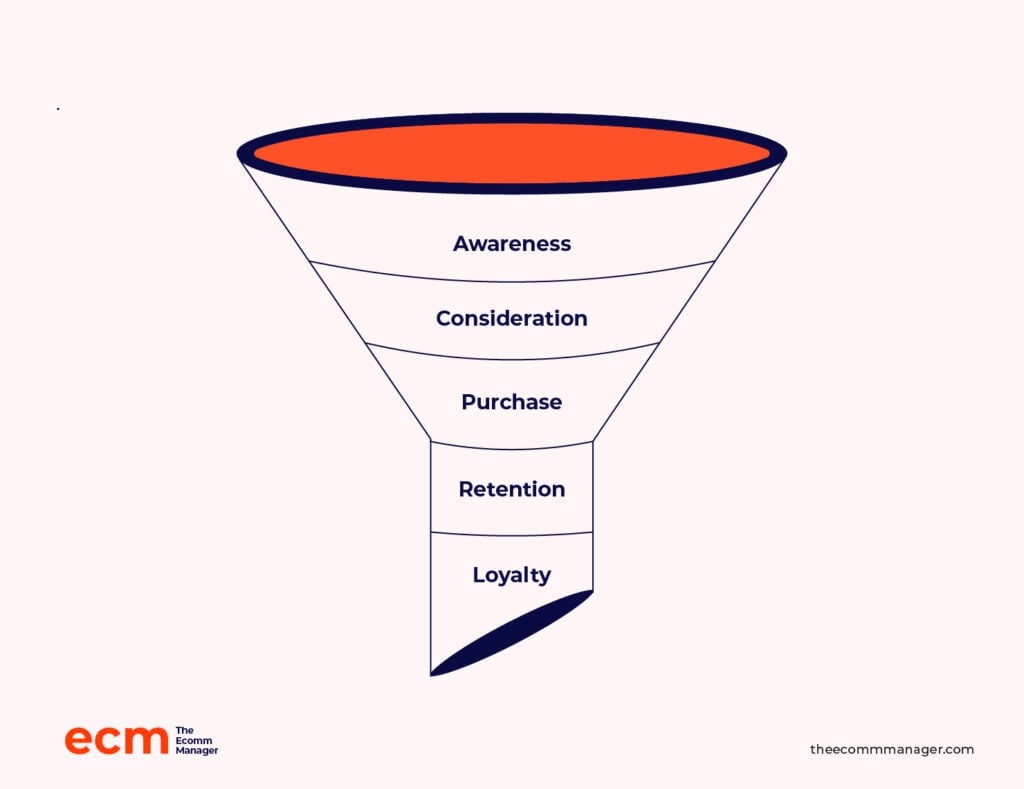
4) Measure Funnel Profitability
To measure whether your funnel is profitable, track performance by stage and channel.
Useful funnel metrics
- Traffic → Lead conversion rate
- Lead → Opportunity conversion rate
- Opportunity → Customer conversion rate
- Cost per lead
- Cost per customer
- Revenue per channel
- Gross profit per channel
Basic funnel profitability formula
Funnel Profit = Revenue Attributed to Funnel − Total Funnel Spend
Or, if you want a gross profit view:
Funnel Gross Profit = (Revenue × Gross Margin) − Total Funnel Spend
Example
If a campaign generates:
- Revenue = $80,000
- Gross margin = 60%
- Total spend = $30,000
Then:
Gross profit = (80,000 × 0.60) − 30,000 = $18,000
That means the funnel is profitable after direct costs and acquisition spend.
5) What good looks like
A common benchmark is:
- LTV:CAC > 3:1 → generally healthy
- LTV:CAC around 1:1 → break-even territory
- LTV:CAC below 1 → acquisition cost may be too high
6) Best practice for analysis
To get useful insights:
- Break metrics down by channel
- Compare paid vs organic
- Track by campaign, audience, product, and cohort
- Review monthly or quarterly
- Watch both LTV and CAC, not just one
7) Simple dashboard structure
You can build a dashboard with these columns:
- Channel
- Spend
- Leads
- Customers
- CAC
- ARPU
- Gross Margin
- LTV
- LTV:CAC
- Revenue
- Gross Profit
- Funnel Conversion Rates
If you want, I can also give you:
- a spreadsheet template structure, or
- a worked example with real funnel stages.














WebSeoSG offers the highest quality website traffic services in Singapore. We provide a variety of traffic services for our clients, including website traffic, desktop traffic, mobile traffic, Google traffic, search traffic, eCommerce traffic, YouTube traffic, and TikTok traffic. Our website boasts a 100% customer satisfaction rate, so you can confidently purchase large amounts of SEO traffic online. For just 40 SGD per month, you can immediately increase website traffic, improve SEO performance, and boost sales!
Having trouble choosing a traffic package? Contact us, and our staff will assist you.
Free consultation