

Long-tail keywords are essential for insurance professionals seeking to compete effectively in a crowded digital marketplace. These strategies enable agents and brokers to attract qualified leads by targeting specific search intent with significantly less competition than generic terms.
Understanding Long-Tail Keywords in Insurance
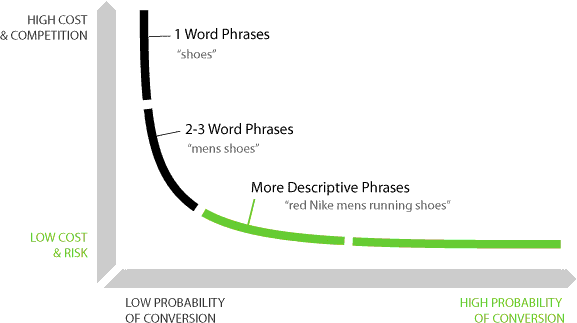
Long-tail keywords are search phrases containing three or more words that describe specific insurance needs. Unlike generic terms such as "insurance" or "car insurance," which generate thousands of results and attract massive competition from established carriers, long-tail keywords target precise customer scenarios. For example, "life insurance for divorced female 52 on anxiety meds" or "20 year term life quote married over 50 with hypertension" are highly specific long-tail phrases that immediately reveal what a potential client wants to purchase.
The fundamental advantage of long-tail keywords lies in their ability to capture high-intent searchers—people who are closer to making a purchase decision. When someone searches for a specific insurance product with qualifying details, they demonstrate clear buying intent, making them far more valuable leads than those arriving through generic searches.
Core Benefits for Insurance Businesses
Lower Competition and Easier Rankings
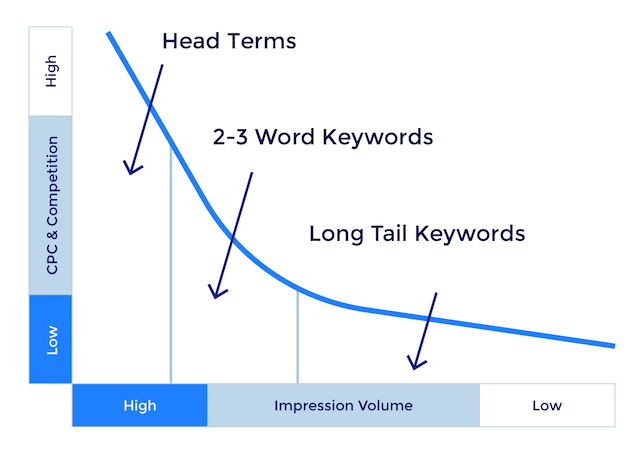
Long-tail keywords face substantially less competition than head terms, making it possible for smaller agencies to rank on the first page of Google search results. This is particularly valuable in insurance, where generic keywords command extremely high costs in paid advertising and fierce organic competition. By targeting specific phrases, independent agents can establish visibility without competing directly against major carriers with massive budgets.
Higher Conversion Rates
Long-tail searches demonstrate significantly higher purchase intent than general searches. A person typing "general liability insurance for contractors in Atlanta" is further along the buying journey than someone searching "business insurance." This specificity translates to more qualified leads who are ready to convert into clients.
Cost Efficiency
Long-tail keywords have lower cost-per-click rates in paid advertising despite generating lower overall search volume. This means your advertising budget stretches further while attracting more qualified prospects.
Developing an Effective Long-Tail Strategy
Identify Real Customer Questions
The most valuable long-tail keywords emerge from actual client conversations and frequently asked questions. Your team—from customer service representatives to producers—encounters specific insurance questions daily. These real-world inquiries represent SEO gold and should form the foundation of your content strategy. For instance, "Does Medicare cover caregiver costs for my mother with dementia?" is a genuine question that dozens of families search for online.
Create Targeted Content Clusters
Rather than developing single generic pages about broad topics, build clusters of content addressing specific scenarios within your niche. For health insurance agents, this might mean creating multiple blog entries around scenarios like "Medicare for caregivers," each addressing specific questions related to that situation. This approach signals to search engines that your website possesses comprehensive expertise on particular topics.
Incorporate Geographic Specificity
Insurance is inherently local, presenting enormous opportunities for location-targeted long-tail keywords. Phrases like "construction insurance in Atlanta" or "home insurance quotes in Singapore" face much less competition while connecting you with local clients actively seeking services in their area. Combining location terms with specific insurance types creates powerful long-tail phrases that drive qualified local traffic.
Leverage Search Tools and Suggestions
Google's autocomplete feature and "Searches Related To" section provide ready-made long-tail keyword suggestions. When you type a search term into Google, the dropdown suggestions represent actual searches people are conducting. Similarly, the related searches at the bottom of results pages reveal associated long-tail phrases your target audience is using. Tools like Google Keyword Planner can help identify search volume and competition levels for specific phrases.
Implementation Timeline and Expectations
Building an effective long-tail keyword strategy requires patience and consistency. SEO typically takes 3 to 6 months to show measurable results, depending on your market's competitiveness. However, long-tail keywords can drive initial traffic faster than head terms because they face lower ranking difficulty. A practical approach involves prioritizing lower- to medium-difficulty long-tail keywords first to establish momentum, then gradually layering in more competitive head terms as your domain authority builds.
Strategic Advantages for Competitive Markets
In the insurance industry—where competition for keywords is exceptionally fierce—long-tail strategies level the playing field for independent agents. By answering specific client questions and solving real insurance challenges through targeted content, you showcase your expertise to a wider audience. This approach transforms your existing strengths—understanding client needs and providing personalized solutions—into a scalable digital marketing advantage that attracts potential clients searching for exactly what you provide.















WebSeoSG offers the highest quality website traffic services in Singapore. We provide a variety of traffic services for our clients, including website traffic, desktop traffic, mobile traffic, Google traffic, search traffic, eCommerce traffic, YouTube traffic, and TikTok traffic. Our website boasts a 100% customer satisfaction rate, so you can confidently purchase large amounts of SEO traffic online. For just 40 SGD per month, you can immediately increase website traffic, improve SEO performance, and boost sales!
Having trouble choosing a traffic package? Contact us, and our staff will assist you.
Free consultation