

Shadow bans on social platforms and search engines are related but different techniques: social-platform shadow bans usually hide or downrank a specific user’s posts or account within the platform’s social features, while search-engine shadowing (downgrading) reduces a site or page’s visibility in web search results or fragments of those results.
Essential context and key differences
-
Purpose and policy framing: Social platforms use shadow-banning primarily as a content‑moderation tool to limit spread of spam, harassment, misinformation or other policy-violating content without an explicit account suspension. Search engines downrank or remove pages to reduce low‑quality, spammy, manipulative (e.g., link‑spam or cloaking) or policy‑violating content from search results as part of ranking and quality‑control systems rather than by targeting a single social account.
-
Unit of action (what is hidden): On social platforms the action typically targets an account’s posts, comments, tags or appearance in in‑app searches, feeds, hashtags or recommendations. Search engines act on URLs or domains (pages) — lowering ranking, removing pages from specific search features, or excluding them from indexes — which affects how those pages appear to web searchers rather than hiding a social account’s posts.
-
Visibility to the actor: With social-platform shadow bans the affected user often still sees their own content normally while others do not, so the restriction is covert to the user. For search engines, site owners may notice traffic drops in analytics (an overt signal) but there is not always an explicit “you’re shadow‑banned” notice; however, the effect is measured at the page/domain level rather than by what the site owner personally sees in a user interface.
-
Mechanism (algorithms vs. manual): Both rely heavily on algorithms and automated signals; platforms may combine automated downgrading with manual moderator decisions for repeat or egregious violations. Search engines use ranking algorithms and manual spam actions from webspam teams; webmasters can receive Search Console/manual action messages in some cases, making search penalties sometimes more transparent than social shadow bans.
-
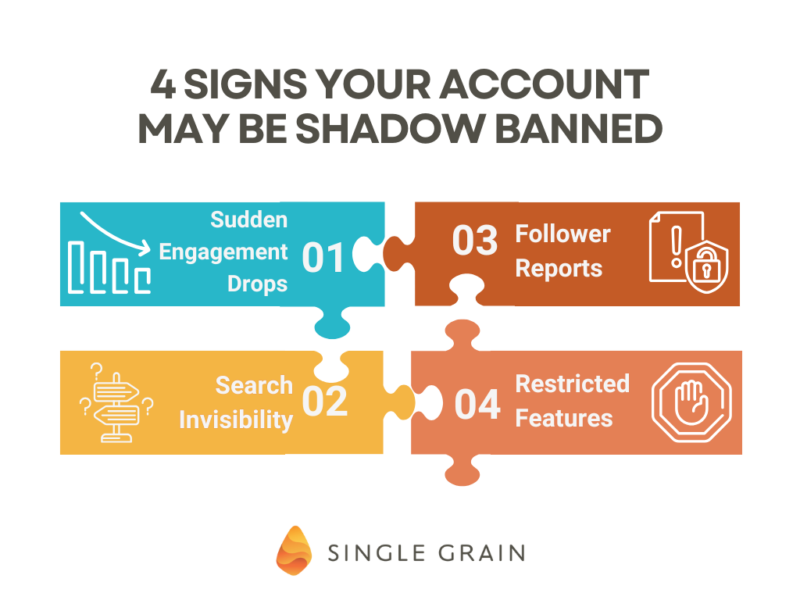
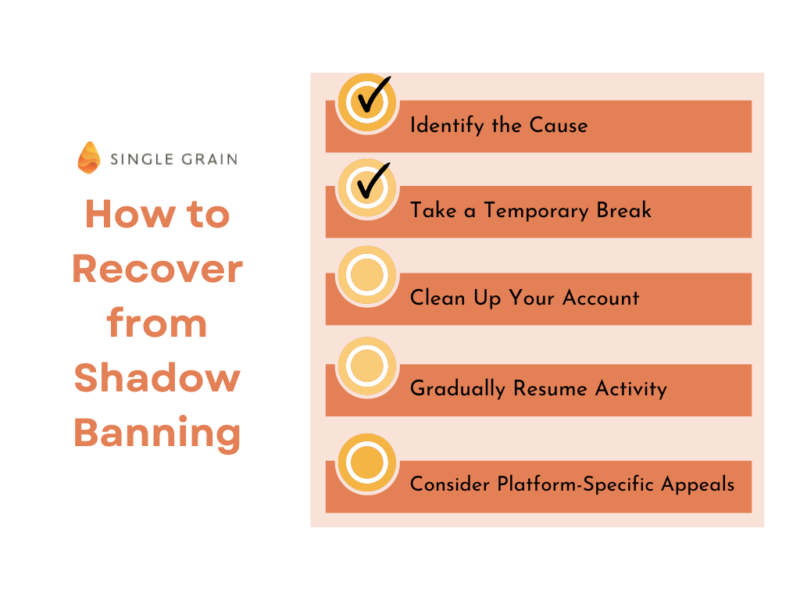
Detectability and remediation: Social shadow bans are often opaque (platforms sometimes deny or avoid the term), so users detect them by drops in engagement, feed absence, or hashtag invisibility and must follow platform appeal or moderation routes. Search‑engine penalties/downgrades can be diagnosed with analytics and webmaster tools (e.g., traffic drops, indexed‑pages changes, manual action notices), and remedies commonly include fixing quality issues and requesting reconsideration where applicable.
-
Consequences: A social-platform shadow ban reduces reach within that platform and harms personal or brand engagement; an extreme outcome is account suspension or removal. A search‑engine downgrade reduces organic search traffic and can significantly lower discoverability across the web for affected pages or domains, impacting business visibility and referrals.
Overlapping features and gray areas
- Both are often implemented without conspicuous user notification and can be perceived as “stealth” moderation.
- Both use a mix of automated signals (behavioral patterns, quality signals) and human review in enforcement.
Practical indicators to tell them apart
- If followers still see your posts but non‑followers don’t, or your posts vanish from in‑app hashtags/Explore, the issue is likely a social‑platform visibility restriction.
- If your website’s organic search traffic suddenly falls, indexed pages disappear, or specific pages drop from top results, the problem is likely a search‑engine downgrade or penalty.
When sources disagree or are imprecise
- The term “shadow ban” is used more often for social platforms and is sometimes denied by platforms even while they acknowledge algorithmic downranking; describing platform actions as “downgrading” or “de‑prioritising” is common in provider statements.
- Search engines don’t commonly use the phrase “shadow ban,” but the functional equivalent (demoting or delisting pages without public fanfare) exists and is better documented in webmaster guidance.
If you want, I can:
- Map specific detection steps you can run (checklists for social accounts vs. websites).
- Provide suggested remediation steps and appeal wording for either a platform or search‑engine issue.












WebSeoSG offers the highest quality website traffic services in Singapore. We provide a variety of traffic services for our clients, including website traffic, desktop traffic, mobile traffic, Google traffic, search traffic, eCommerce traffic, YouTube traffic, and TikTok traffic. Our website boasts a 100% customer satisfaction rate, so you can confidently purchase large amounts of SEO traffic online. For just 40 SGD per month, you can immediately increase website traffic, improve SEO performance, and boost sales!
Having trouble choosing a traffic package? Contact us, and our staff will assist you.
Free consultation