

Interactive features and real-time engagement techniques are essential for creating dynamic, memorable user experiences across websites, apps, and events. Below is a summary of the most effective strategies and examples:
Interactive Website Features
-
Micro-interactions:
- Hover effects, hotspots, and subtle animations (e.g., color-shifting images, Lottie animations) that respond to user actions.
- Example: Hovering over a service icon triggers a pop-up explanation.
-
Dynamic Scrolling:
- Parallax scrolling, horizontal galleries, and scrollytelling to guide users through content.
- Example: Mixpanel uses parallax scrolling to showcase product use cases.
-
Kinetic Typography & Motion Design:
- Text and graphics that move or change as users scroll or interact.
- Example: Trunk.io uses kinetic typography and smooth transitions for intuitive navigation.
-
Interactive Visualizations:
- 3D tours, interactive maps, and animated data displays.
- Example: Matterport’s 3D tours allow users to explore spaces virtually.
-
Gamification:
- Quizzes, polls, leaderboards, and challenges to boost engagement.
- Example: Mentimeter offers live polls and quizzes for interactive presentations.
-
Dynamic Content Loading:
- Content updates in real time without full page reloads, maintaining performance.
Real-Time Engagement Techniques
-
Live Polls & Surveys:
- Instant feedback collection during events or webinars.
- Example: Live polls in webinars or conferences allow organizers to adapt content based on audience input.
-
Real-Time Chat & Q&A:
- Live chat, Q&A sessions, and emoji reactions for instant communication.
- Example: Webinars and virtual events use live Q&A to foster audience participation.
-
Event-Driven Architecture:
- Systems that respond instantly to user actions or events, enabling real-time updates and notifications.
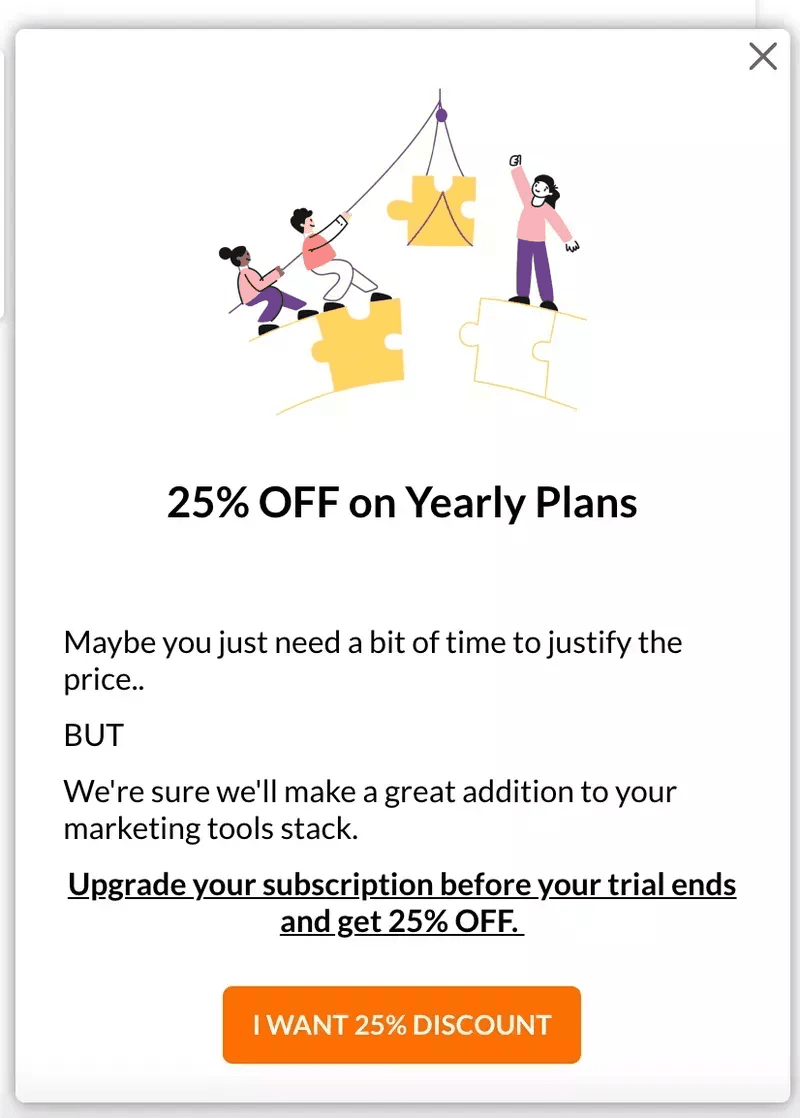
- Example: Event-triggered in-app messages (e.g., upgrade prompts when a user hits a usage limit).
-
Gamification & Leaderboards:
- Scavenger hunts, quizzes, and leaderboards to encourage participation and competition.
- Example: Gamified event apps with challenges and rewards.
-
Personalized In-App Messages:
- Contextual, event-triggered messages tailored to user behavior.
- Example: Loom sends upgrade prompts when users reach feature limits.
-
Social Media Integration:
- Real-time sharing, reactions, and notifications to keep users connected.
- Example: Attendees can share event highlights on social media instantly.
-
Automated Personalized Communications:
- AI-driven reminders, follow-ups, and tailored messages based on user activity.
- Example: Automated event reminders and post-event thank-you emails.
Key Takeaways
- Purposeful Animations: Use motion and interactivity to guide users and simplify complex processes.
- Real-Time Feedback: Enable instant communication and adaptability for events and apps.
- Gamification: Incorporate quizzes, polls, and challenges to boost engagement.
- Personalization: Tailor experiences and messages to individual user actions and preferences.
- Seamless Navigation: Combine intuitive design with interactive elements for a smooth user journey.
These techniques are widely used in modern websites, SaaS platforms, and event experiences to keep users engaged, informed, and motivated to interact.













WebSeoSG offers the highest quality website traffic services in Singapore. We provide a variety of traffic services for our clients, including website traffic, desktop traffic, mobile traffic, Google traffic, search traffic, eCommerce traffic, YouTube traffic, and TikTok traffic. Our website boasts a 100% customer satisfaction rate, so you can confidently purchase large amounts of SEO traffic online. For just 40 SGD per month, you can immediately increase website traffic, improve SEO performance, and boost sales!
Having trouble choosing a traffic package? Contact us, and our staff will assist you.
Free consultation